How to improve mental clarity naturally: the Neuro Fortis Pro routine
To improve mental clarity naturally means removing the everyday drag on your attention — poor sleep, dehydration, a sedentary day and scattered focus — and, if you choose, adding well-studied botanicals like bacopa and ginkgo, so a healthy mind can think clearly with less effort. It is built from small, repeatable habits, and it works alongside — not instead of — your doctor’s care.
How to improve mental clarity naturally, in one place.
- The short version
- Protect sleep, move daily, stay hydrated and single-task; these four levers do most of the work for a clear headed day.
- Fastest win
- A ten-minute walk plus a glass of water before focused work sharpens thinking within the same hour.
- Slow-burn wins
- Consistent sleep, whole-food meals and regular exercise raise your baseline clarity over several weeks.
- Where supplements fit
- Botanicals such as bacopa, lion’s mane and ginkgo can support the routine, but they are not a treatment for any disease.
Mental clarity is that feeling of thinking cleanly — when words arrive on time, decisions feel less foggy, and you can hold a thought without it slipping away. Almost everyone loses it now and then, and for most people the goal is simply more clear-headed hours in an ordinary day. This guide walks through the natural levers that matter most and shows where a nootropic formula like Neuro Fortis Pro can fit into the picture.

What does mental clarity actually mean?
Mental clarity is the state of thinking with focus, ease and accuracy — the opposite of the sluggish, muddled feeling often called brain fog. It is not a medical diagnosis but a description of how your attention, working memory and processing speed feel on a given day. Because those functions rise and fall with your sleep, hydration, blood sugar and stress, clarity is far more responsive to daily habits than most people expect. That is the encouraging part: the same levers you already control quietly decide how clearly you think.
Why does mental clarity slip during the day?
Mental clarity slips when the brain is working against friction — too little sleep, too little water, blood-sugar swings, chronic stress and constant task-switching all tax attention at once. Your brain is metabolically expensive, using a large share of your daily energy, so it is quick to feel the effects of a short night, a skipped glass of water or an afternoon of fragmented focus. Researchers also point to oxidative stress, the everyday wear on hard-working brain cells, as one factor in age-related cognitive change — part of why antioxidant-rich foods and botanicals feature so often in the clarity conversation. The reassuring news is that nearly every one of these drags is something you can ease. When that friction has a name, our guide to clearing brain fog naturally deals with it directly.
What daily habits sharpen mental clarity?
The habits that sharpen mental clarity most are consistent sleep, daily movement, steady hydration, whole-food meals and protected, single-tasked attention. None is dramatic on its own; stacked together across a week, they change how clearly you think. Here is how each one earns its place.
1. Protect your sleep first
Sleep is when the brain consolidates memory and clears metabolic waste, which makes it the single highest-return habit for clear thinking. Aim for seven to nine hours on a consistent schedule — a steady bedtime matters as much as the total hours. One short night is enough to blunt focus and slow recall the next day, and no supplement, coffee or workaround fully replaces it.
2. Move your body most days
Physical activity raises blood flow to the brain and supports the growth factors involved in learning and memory, so movement is one of the most reliable ways to clear a foggy head. You do not need a gym: brisk walking, cycling, gardening and bodyweight movement all count. A ten-minute walk can lift alertness for the hour that follows, which makes it a perfect reset before focused work.
3. Hydrate before you caffeinate
Even mild dehydration is linked in studies to reduced concentration and slower reaction time, so a glass of water is often the cheapest clarity boost available. Many people reach for coffee when water would do more; try front-loading fluids in the morning and sipping through the day. Green tea is a useful upgrade, pairing hydration with polyphenol antioxidants and a little calm-focus L-theanine. A review of water balance and cognitive performance collects those studies (Riebl SK & Davy BM, ACSM’s Health & Fitness Journal 2013).
4. Feed clear thinking with whole foods
What steadies your blood sugar tends to steady your focus, so meals built on fibre, protein and healthy fats keep the afternoon slump at bay. Lean on the colourful plants richest in antioxidants — berries, leafy greens, nuts and oily fish — the same polyphenol-rich foods, like green tea and grape, that appear again and again in cognitive research.
5. Guard your attention on purpose
Attention is a skill, and modern life trains the opposite of it, so protecting it is central to staying clear headed daily. Work in single-tasked blocks, silence non-essential notifications, and step outside for a short break when focus frays. Constant task-switching leaves a mental residue that makes the next job feel harder than it is.
See the exact dose in Neuro Fortis Pro →
Which botanicals support clear thinking?
Botanicals are a supplement to the habits above, never a substitute and never a treatment for any condition — but several have a long history in the clear-thinking conversation. The table below summarises the best-known ones, most of which appear together in Neuro Fortis Pro. NCCIH’s cognitive-health summary is the honest baseline (NCCIH — Cognitive Health).
| Botanical | Type | Why it is discussed for clarity |
|---|---|---|
| Bacopa monnieri | Ayurvedic herb | One of the most researched botanicals for everyday memory and learning support. |
| Lion’s mane | Culinary mushroom | A traditional East Asian food, popular in modern nootropics for focus and cognition. |
| Ginkgo biloba | Traditional herb | Long used to support healthy circulation and everyday mental sharpness. |
| Green tea | Polyphenol source | Studied for working memory; pairs antioxidants with calming L-theanine. |
| Grape seed | Antioxidant extract | One of the richest natural sources of proanthocyanidin antioxidants. |
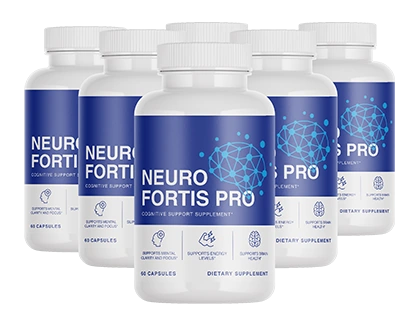
Neuro Fortis Pro brings these together in a single daily capsule: bacopa, lion’s mane, ginkgo, green tea and grape seed extract with huperzine A. For a deeper look at the science, read our guide to bacopa, lion’s mane and huperzine A, or the companion piece on the best foods and nutrients for brain health. Bacopa is the best-evidenced of them, with randomised trials of standardised extract running six to twelve weeks (Kumar N et al., Evid Based Complement Alternat Med 2016).
Make clarity a daily habit
Neuro Fortis Pro is a once-daily capsule pairing bacopa and lion’s mane with a nootropic botanical blend. The six-bottle bundle is the best value at $49 per bottle, with free U.S. shipping and a 60-day guarantee.
Check today’s Neuro Fortis Pro pricing — from $49/bottleHow do you build a clear-headed daily routine?
The best clarity routine is the one you will actually keep, so build it by stacking one small habit at a time until each feels automatic rather than overhauling everything at once. A workable day looks like this:
- Anchor a consistent bedtime so sleep does the heavy lifting overnight.
- Drink a glass of water on waking, before the first coffee.
- Take a ten-minute walk before your most focused block of the day.
- Build meals around fibre, protein and colourful plants to steady blood sugar.
- Single-task in focused blocks with non-essential notifications silenced.
- Take any supplement at the same time daily — for Neuro Fortis Pro, one capsule with a meal.

Which habits work fastest? An at-a-glance table
A “fast” clarity habit is one you can feel within a day; a “slow” one reshapes your baseline over weeks. Both matter. This table sorts the core habits by how quickly they help and how much effort they ask.
| Habit | Typical time to notice | Everyday effort |
|---|---|---|
| Glass of water before caffeine | Same day | Low |
| Ten-minute walk before focused work | Same day | Low |
| Silencing notifications, single-tasking | Same day | Low |
| Whole-food, higher-fibre meals | Days to weeks | Medium |
| Consistent seven-to-nine-hour sleep | Weeks | Medium |
| Regular exercise & mental challenge | Weeks to months | Higher |
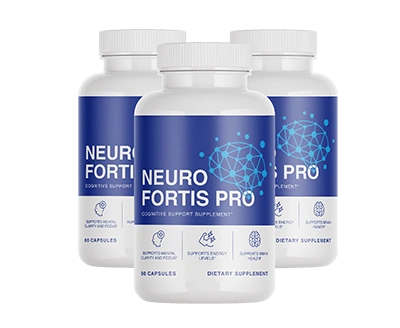
Consistency turns any of these into a steadier month. Botanicals build their support gradually, so most people choose a multi-month supply to avoid running out mid-routine — compare the packages and pricing on the homepage.
When should you talk to a doctor?
Natural habits are for supporting a healthy mind; they are not a replacement for medical care. Speak with your doctor if you are pregnant or nursing, under 18, take any medication, have a diagnosed condition, or notice persistent, sudden or worsening changes in memory, mood or thinking. Brain fog that will not lift, or that arrives with other symptoms, deserves a professional look rather than another supplement.
Frequently asked questions
What is the fastest way to improve mental clarity naturally?
The quickest wins are a short walk, a glass of water and a single-tasking block with notifications off. Each can lift alertness within the same hour, while consistent sleep and whole-food meals raise your baseline clarity over the following weeks.
Does dehydration really cause brain fog?
Even mild dehydration is linked to reduced concentration and slower reaction time in studies of healthy adults. Sipping water through the day, and front-loading it in the morning, is one of the simplest ways to stay clear headed daily.
Where does Neuro Fortis Pro fit into a mental clarity routine?
Neuro Fortis Pro is a once-daily capsule that layers bacopa, lion’s mane, ginkgo, green tea and grape seed on top of good habits. It is a supplement to sleep, movement and hydration, not a substitute for them, and not a treatment for any condition.
How long does it take to feel sharper thinking?
A good night’s sleep, a walk or proper hydration can sharpen thinking the same day. Diet and fitness changes usually show over several weeks, and botanicals build their support gradually, so most people give a routine a few months. Individual results vary.
Can screen time and multitasking cause mental fog?
Constant task-switching fragments attention and leaves a residue that makes focused work feel harder. Working in single-tasked blocks, silencing non-essential alerts, and taking short breaks outdoors help restore a clear headed state.
Is persistent brain fog something to worry about?
Occasional fog from poor sleep, stress or dehydration is common and usually lifts with better habits. Persistent, sudden or worsening changes in memory, mood or thinking should always be discussed with a doctor.
Try Neuro Fortis Pro risk-free for 60 days →
Neuro Fortis Pro is a dietary supplement, not a treatment for any medical condition. These statements have not been evaluated by the Food and Drug Administration. This product is not intended to diagnose, treat, cure or prevent any disease. Always consult a qualified healthcare professional about your individual needs.
References & further reading
- National Center for Complementary and Integrative Health (NCCIH). Cognitive Health. NCCIH — Cognitive Health
- Mayo Clinic. Memory loss: 7 tips to improve your memory. mayoclinic.org — memory-loss/art-20046518
- Riebl SK, Davy BM. The Hydration Equation: Update on Water Balance and Cognitive Performance. (PMC4207053) Riebl SK & Davy BM, ACSM’s Health & Fitness J 2013 (PMC4207053)
- Kumar N, et al. Standardized Bacopa monnieri and cognitive function. (PMC5075615) Kumar N et al., Evid Based Complement Alternat Med 2016 (PMC5075615)
- Harvard Health Publishing. Exercise can boost your memory and thinking skills. health.harvard.edu — exercise and thinking skills
- Examine.com. Bacopa monnieri — evidence-based summary. examine.com/supplements/bacopa-monnieri
These references describe the ingredients and habits in general terms and do not constitute evidence that any product treats, cures or prevents any condition.