Bacopa, lion's mane and huperzine A: the Neuro Fortis Pro ingredient guide
Bacopa, lion's mane, ginkgo and huperzine A are among the most recognised nootropic ingredients — each a dietary-supplement botanical with its own traditional role in supporting memory, focus and clarity. This guide explains what each one is, what to look for on a label, and how they come together inside Neuro Fortis Pro, without hype and without medical claims.
What each headline nootropic ingredient is, and what to look for, in one place.
- The headliners
- Bacopa for memory support, lion’s mane for focus, ginkgo for sharpness and huperzine A as a concentrated cognitive-support isolate.
- Supporting cast
- Green tea and grape seed add antioxidants, while L-theanine brings a calm, focused alertness.
- Label smarts
- Prefer named, standardised extracts; potent isolates like huperzine A should be listed in micrograms.
- Be patient
- Botanicals such as bacopa work with consistent daily use over weeks, not a single dose.
- A caution
- Some botanicals interact with medication — ginkgo with blood thinners, for example — so ask a doctor if you take any.
Walk down the nootropic aisle and the same names keep appearing: bacopa, lion’s mane, ginkgo and huperzine A. But what actually are they, what is each one traditionally used for, and what should you look for on a label? This plain-language ingredient guide explains the headline actives inside Neuro Fortis Pro — without hype, and without medical claims.
First, what is a nootropic?
“Nootropic” is a broad term for foods, nutrients or compounds used with the goal of supporting cognition — memory, focus, clarity or mental energy. It is not a regulated medical category, and a botanical nootropic is a dietary supplement, not a drug. The ingredients below are described by their traditional and general roles; none is a treatment for any condition. For the biology underneath that word, our explainer on how nootropics work in the brain walks through the antioxidant, circulatory and neurotransmitter routes these plants are studied for.
Bacopa monnieri (Brahmi)
Bacopa is a creeping herb used in Ayurvedic tradition for centuries, classically as a “brahmi” tonic for memory and learning. It is one of the most studied botanicals in the cognitive space, and its active compounds — bacosides — are what standardised extracts are measured by. A meta-analysis of randomised controlled trials of standardised bacopa extract found its most consistent signals in speed of information processing and the retention of newly learned material (Kongkeaw C et al., J Ethnopharmacol 2014).
What to look for
Quality bacopa is usually standardised to a percentage of bacosides. Bacopa is also known for being slow-acting: traditional use and research alike emphasise consistent daily intake over weeks, not a single dose.
Lion’s mane (Hericium erinaceus)
Lion’s mane is an edible mushroom, as at home in a stir-fry as in a supplement, long valued in East Asian food and wellness traditions. In the modern nootropic world it is popular for general focus and cognition, and it is naturally vegetarian. The human evidence is still early: a double-blind trial in young adults reported an acute effect on speed of performance while the longer-term outcomes were mixed (Docherty S et al., Nutrients 2023).
What to look for
Look for the part of the mushroom used (fruiting body versus mycelium) and whether it is an extract. As with any mushroom supplement, sourcing and processing matter for quality.
Ginkgo biloba
Ginkgo comes from one of the oldest tree species on earth and has one of the longest histories of traditional use of any herb, typically to support healthy circulation and everyday mental sharpness. Its leaf extract is among the most widely taken botanicals worldwide. If you are weighing it against the blend’s lead herb, our side-by-side on bacopa vs ginkgo biloba for memory sets out where each one is actually studied.
What to look for
Standardised ginkgo extracts are described by their flavone glycoside and terpene lactone content. Ginkgo can interact with blood-thinning medication, so it is a classic example of why medication users should check with a doctor.
See these ingredients together in Neuro Fortis Pro →
Huperzine A
Huperzine A is a purified compound originally isolated from Chinese club moss (Huperzia serrata). Because it is a concentrated, potent isolate rather than a whole herb, it is typically used in very small, microgram-level amounts and features widely in nootropic formulas. A systematic review and meta-analysis of randomised clinical trials of huperzine A concluded that the reported effects were limited by the poor methodological quality of the underlying studies (Yang G et al., PLoS One 2013).
What to look for
Reputable products list huperzine A in micrograms and use it sparingly. It is a good illustration of why “more” is not automatically better with concentrated actives.
Supporting players: green tea, grape seed and L-theanine
Rounding out the blend are two antioxidant heavyweights and a calm-focus amino acid. Green tea supplies polyphenols and has been studied for working memory; grape seed extract is one of nature’s richest proanthocyanidin sources; and L-theanine, the amino acid in tea leaves, is prized for a state of relaxed alertness, especially alongside caffeine.
How do these ingredients compare?
Each active brings something different. This table summarises the headline roles — described in general, traditional terms rather than as medical effects.
| Ingredient | Source | Traditionally used for |
|---|---|---|
| Bacopa monnieri | Ayurvedic herb | Memory and learning support |
| Lion’s mane | Edible mushroom | Focus and general cognition |
| Ginkgo biloba | Tree leaf extract | Circulation and mental sharpness |
| Huperzine A | Club-moss isolate | Cognitive-support formulas |
| Green tea | Camellia sinensis | Antioxidants; working memory |
| Grape seed | Grape seeds | Antioxidant defence |
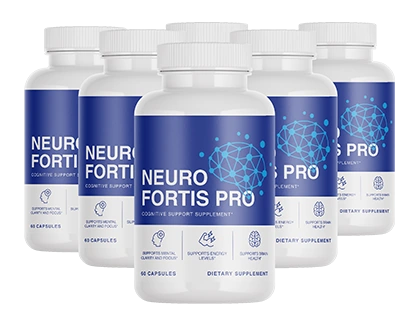
Six actives, one daily capsule
Neuro Fortis Pro combines bacopa, lion’s mane, ginkgo, huperzine A, green tea and grape seed extract so you do not have to buy them separately. The six-bottle bundle is the best value at $49 per bottle, with free U.S. shipping.
Order Neuro Fortis Pro — from $49/bottle
How should you read a nootropic label?
A few habits make you a smarter shopper:
- Look for named, standardised extracts rather than vague “blends” with no detail.
- Check the source of mushrooms (fruiting body versus mycelium).
- Respect small amounts of potent isolates like huperzine A — micrograms, not milligrams.
- Confirm manufacturing standards — a GMP-compliant, FDA-registered facility.
- Give it time; botanicals like bacopa work with consistent daily use over weeks.
| Label detail | Why it matters |
|---|---|
| Standardisation percentage | Tells you the active-compound level, not just the herb name |
| Units (mg vs mcg) | Potent isolates are dosed in micrograms — a sign of care |
| Facility standards | GMP and FDA-registered manufacturing signal quality control |
| Suggested use | Consistency over weeks matters more than any single dose |
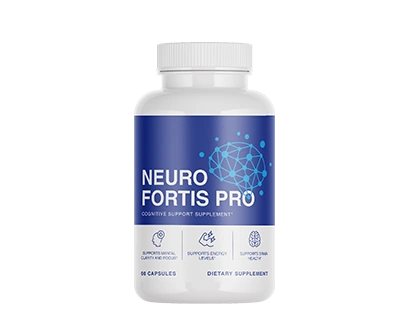
Neuro Fortis Pro brings these actives together in one non-GMO capsule made in an FDA-registered facility. To see how they fit a wider routine, read how to improve memory and focus naturally and the best foods for brain health.
When should you talk to a doctor?
Nootropic botanicals are dietary supplements, not medicines. Speak with your doctor before starting one if you are pregnant or nursing, under 18, take medication (ginkgo, for example, can interact with blood thinners), or have a medical condition — and seek professional advice for persistent or worsening cognitive symptoms.
Frequently asked questions
What is a nootropic?
A nootropic is any food, nutrient or compound used with the goal of supporting cognition — memory, focus or clarity. A botanical nootropic like those in Neuro Fortis Pro is a dietary supplement, not a drug, and not a treatment for any condition.
What does bacopa monnieri do?
Bacopa is an Ayurvedic herb traditionally used to support memory and learning, and it is one of the most studied cognitive botanicals. It is slow-acting, so consistent daily use over weeks is the norm.
Is lion’s mane really good for the brain?
Lion’s mane is an edible mushroom long valued in East Asian traditions and popular in modern nootropics for focus and general cognition. Quality depends on the part used and how it is extracted.
Why is huperzine A dosed in micrograms?
Huperzine A is a concentrated, potent isolate from club moss, so it is used in very small, microgram-level amounts. Reputable labels list it in micrograms — a sign the formula was designed with care.
Can I take these ingredients with medication?
Some botanicals, such as ginkgo, can interact with medication like blood thinners. Anyone taking medication, pregnant or nursing, or under 18 should talk to a doctor before use.
What should I look for on a nootropic label?
Named, standardised extracts; sensible units (micrograms for potent isolates); GMP and FDA-registered manufacturing; and a suggested use that emphasises consistency over time.
Try Neuro Fortis Pro risk-free for 60 days →
Neuro Fortis Pro is a dietary supplement, not a treatment for any medical condition. These statements have not been evaluated by the Food and Drug Administration. This product is not intended to diagnose, treat, cure or prevent any disease. Always consult a qualified healthcare professional about your individual needs.
References & further reading
- National Center for Complementary and Integrative Health (NCCIH). Ginkgo. NCCIH — Ginkgo
- Walker EA, Pellegrini MV. Bacopa monnieri. StatPearls. (NBK589635) Walker EA & Pellegrini MV, StatPearls (NBK589635)
- Examine.com. Huperzine A — evidence-based summary. examine.com/supplements/huperzine-a
- Examine.com. Lion’s Mane (Hericium erinaceus). examine.com/supplements/lions-mane
- Schmidt A, et al. Green tea extract and working-memory processing. (PMC4159594) Schmidt A et al., Psychopharmacology 2014 (PMC4159594)
These references describe the ingredients and habits in general terms and do not constitute evidence that any product treats, cures or prevents any condition.