How Do Nootropics Work in the Brain? The Neuro Fortis Pro Science Guide
Nootropics work in the brain by supporting the systems it already relies on — not by forcing it to run faster. The most credible botanical nootropics aim to buffer everyday oxidative stress, support healthy blood flow, and supply raw materials tied to signalling and calm, focused alertness. This guide explains that science in plain language, and shows how Neuro Fortis Pro is designed to support the brain’s own everyday function — without hype and without medical claims.
How do nootropics work? By supporting the brain’s existing machinery, gradually and gently.
- Antioxidant defence
- Plant polyphenols help buffer the everyday oxidative stress busy, oxygen-hungry brain cells produce.
- Healthy blood flow
- Botanicals like ginkgo are traditionally used to support the circulation that delivers oxygen and fuel.
- Signalling support
- Some actives relate to neurotransmitter pathways and calm, focused alertness rather than a caffeine-style jolt.
- Give it time
- Slow-acting botanicals such as bacopa are used daily for weeks; effects are supportive, not instant.
Ask ten people how brain supplements work and you will hear ten different theories — most of them either magical or dismissive. The honest answer sits in between. A well-built botanical nootropic like Neuro Fortis Pro is not a switch that boosts intelligence; it is a blend of plant compounds chosen to support the ordinary, everyday processes your brain uses to stay sharp. Here is what that actually means.
What is a nootropic, exactly?
A nootropic is any food, nutrient or compound taken with the goal of supporting cognition — memory, focus, clarity or mental energy. It is a broad, informal category rather than a regulated medical class, and a botanical nootropic is a dietary supplement, not a drug. That distinction matters: nothing in this guide is a treatment, and no ingredient below cures, prevents or reverses any condition. What these plant compounds can do is support systems the brain already uses every day. Our plain-language explainer on what nootropics are covers where the term came from and how loosely it is used.

How do nootropics work in the brain?
Nootropics work by supporting the brain’s existing machinery rather than adding a new function to it. The brain is only about two per cent of body weight but consumes roughly a fifth of the body’s oxygen and energy, which makes it both demanding and vulnerable to everyday wear. Most credible botanical nootropics target one or more of four everyday systems: antioxidant defence, blood flow, neurotransmitter signalling, and the balance between alertness and calm. None of these is a shortcut; each is a foundation the brain uses whether or not you take a supplement.
Do nootropics protect brain cells with antioxidants?
Antioxidant support is the most established way plant nootropics act. Because brain cells burn so much oxygen, they generate reactive by-products called free radicals, and the resulting oxidative stress is one of the everyday pressures on cognition as we age. Polyphenol-rich extracts — green tea and grape seed among the best known — are studied for their antioxidant activity, which is why they anchor so many cognitive formulas. This is general antioxidant support, not a claim to treat any disease. A review of why the brain is unusually susceptible to oxidative stress explains the underlying chemistry (Cobley JN et al., Redox Biol 2018), and our guide to grape seed extract for brain health follows one of those antioxidants in detail.
How do botanicals support blood flow?
Healthy circulation is how the brain receives the oxygen and glucose it runs on. Ginkgo biloba, one of the most widely taken herbs in the world, is traditionally used to support healthy circulation and everyday mental sharpness. When blood flow to active brain regions is well supported, the tissue that does your thinking is better supplied — a simple, mechanical idea rather than a miracle. NCCIH’s summary of ginkgo describes the traditional circulatory claim and how the trial evidence has actually landed (NCCIH — Ginkgo).
Can nootropics support neurotransmitters?
Neurotransmitters are the chemical messengers nerve cells use to talk to one another, and acetylcholine is the one most tied to memory and learning. Some nootropic ingredients relate to these signalling pathways — huperzine A, a concentrated club-moss isolate dosed in micrograms, is a well-known example that appears across the category. The effect is supportive and modest, which is exactly why potent isolates are used sparingly rather than piled on.
What about calm, focused alertness?
Focus is not just about stimulation; it is about being alert without being wired. L-theanine, the amino acid found in tea leaves, is prized for promoting a state of relaxed alertness, especially when paired with caffeine. That is a very different mechanism from a stimulant spike — it smooths attention rather than forcing it, which is why calm-focus compounds have become a staple of thoughtful nootropic blends. A review of L-theanine as a natural constituent of tea describes that relaxed-but-alert state rather than stimulation (Nobre AC et al., Asia Pac J Clin Nutr 2008).
Which mechanism does each ingredient support?
This table maps common nootropic actives to the everyday brain system each is traditionally associated with. The roles are described in general terms, not as medical effects.
| Ingredient | Main way it is used | Everyday system supported |
|---|---|---|
| Green tea extract | Polyphenol antioxidant | Antioxidant defence |
| Grape seed extract | Proanthocyanidin antioxidant | Antioxidant defence |
| Ginkgo biloba | Circulatory botanical | Healthy blood flow |
| Bacopa monnieri | Adaptogenic memory herb | Memory & signalling |
| Huperzine A | Concentrated isolate (mcg) | Neurotransmitter pathways |
| L-theanine | Calm-focus amino acid | Relaxed alertness |
How is Neuro Fortis Pro designed to work?
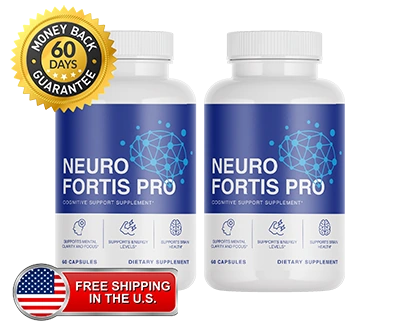
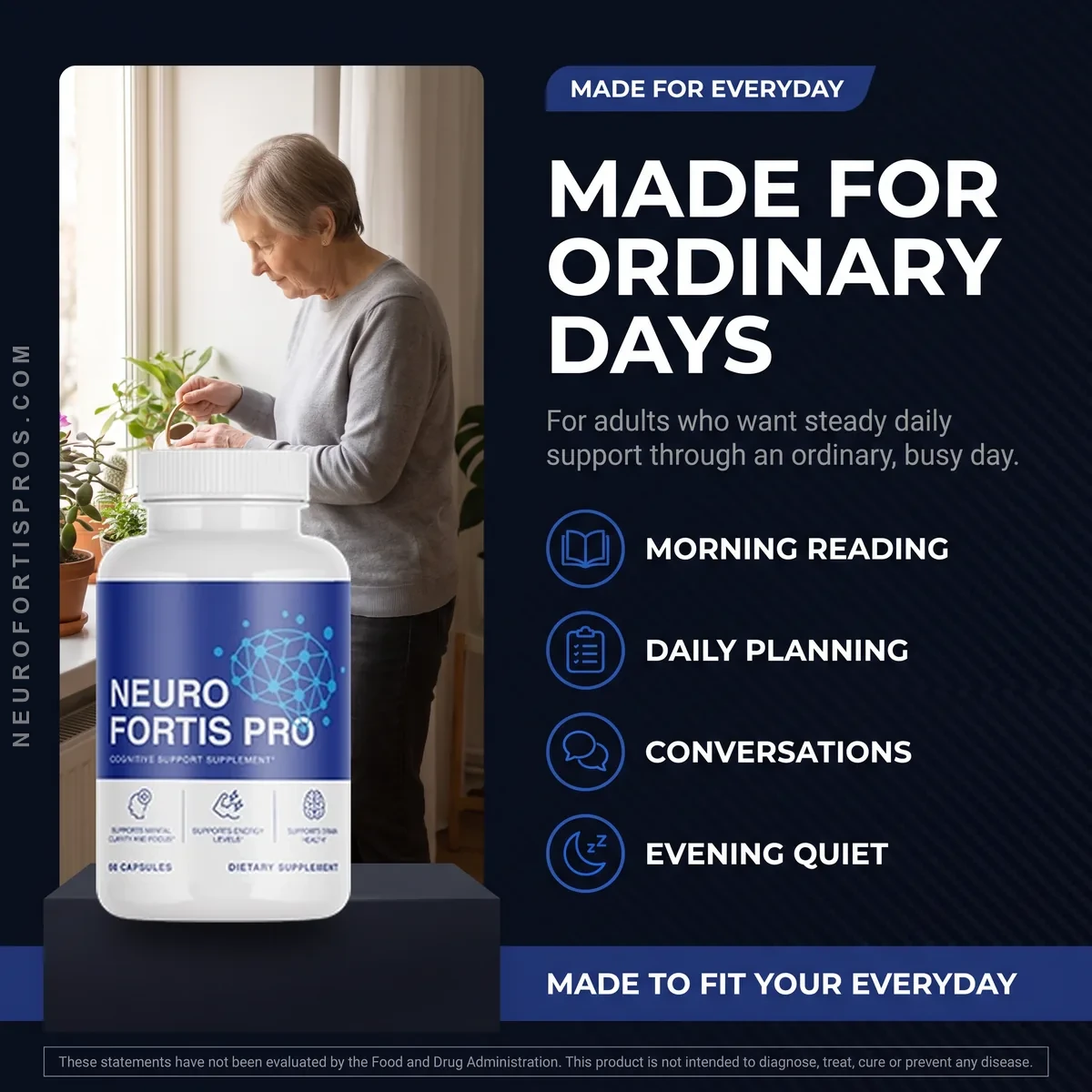
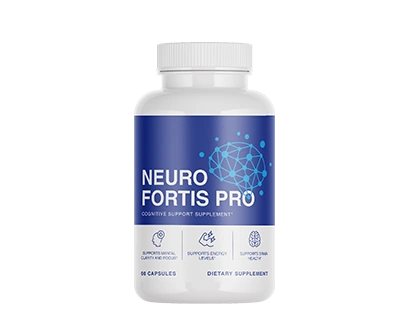
Neuro Fortis Pro is designed to bring these complementary mechanisms into one daily capsule so you are not buying six jars separately. Rather than betting on a single hero ingredient, the formula pairs antioxidant plant extracts (green tea, grape seed) with recognised cognitive botanicals (bacopa, lion’s mane, ginkgo) and a microgram dose of huperzine A. The intent is layered, everyday support — buffering oxidative stress, backing circulation and supporting signalling — aimed at the brain’s own function, not at any disease. It is a dietary supplement produced in an FDA-registered, GMP-compliant facility.
See the exact blend in one daily capsule
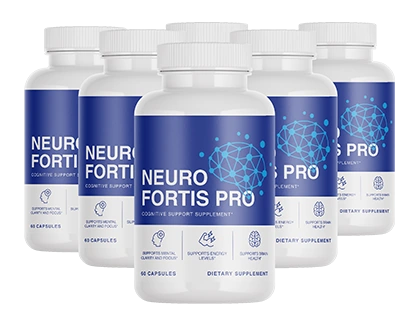
Neuro Fortis Pro combines antioxidant extracts with bacopa, lion’s mane, ginkgo and a microgram dose of huperzine A. The six-bottle bundle is the best value at $49 per bottle, with free U.S. shipping and a 60-day guarantee.
See the exact dose in Neuro Fortis Pro — from $49/bottleHow long do nootropics take to work?
How long a nootropic takes to work depends entirely on the ingredient, and honest expectations are part of the science. Calm-focus compounds like L-theanine can be noticeable within hours, while slow-acting botanicals such as bacopa are traditionally used daily for several weeks before anyone judges them. This is the opposite of a stimulant, where the effect is immediate and then fades. The practical takeaway: consistency over weeks matters more than any single dose, and results, where they occur, are gentle rather than dramatic.
| Type of ingredient | Typical time frame | What to expect |
|---|---|---|
| Calm-focus amino acids (L-theanine) | Same day | Smoother, relaxed alertness |
| Antioxidant extracts (green tea, grape seed) | Ongoing, cumulative | Everyday antioxidant support |
| Circulatory botanicals (ginkgo) | Weeks of daily use | General mental sharpness support |
| Adaptogenic herbs (bacopa) | 4–12 weeks | Gradual memory & learning support |
For the habits that make any supplement work harder, see how to improve memory and focus naturally, and for a deeper look at the actives themselves read the nootropic ingredient guide.
Are nootropics safe, and where is the evidence weak?
Botanical nootropics are dietary supplements taken daily by many people, but "natural" is not the same as "risk-free," and the evidence is stronger for some ingredients than others. Bacopa and ginkgo are among the most studied cognitive botanicals, while the human evidence for others is smaller or mixed — which is why a careful formula describes traditional and general roles rather than promising outcomes. Some botanicals also interact with medication: ginkgo, for instance, can affect blood thinning. Anyone who is pregnant or nursing, under 18, taking medication, or managing a health condition should speak with a doctor before starting a nootropic, and persistent or worsening cognitive symptoms always deserve professional advice.
The bottom line on how nootropics work
Nootropics work best understood as support, not stimulation: they back the brain’s antioxidant defences, circulation and signalling so it can do what it already does, a little better supported, over time. That framing is both more honest and more useful than the "smart pill" myth. Neuro Fortis Pro is built on exactly that idea — a considered blend of antioxidant and botanical nootropics in one daily capsule, aimed at your brain’s everyday function.
Check today’s Neuro Fortis Pro pricing →
Frequently asked questions
How do nootropics work in the brain?
Botanical nootropics do not force the brain to do anything new. They aim to support the systems the brain already relies on — antioxidant defence against everyday oxidative stress, healthy blood flow that delivers oxygen and fuel, and the raw materials involved in signalling and calm, focused alertness.
What is the difference between a nootropic and a stimulant?
A stimulant such as caffeine gives a fast, short push and then fades, often with a rebound. Botanical nootropics like those in Neuro Fortis Pro are used differently — as gentle daily support taken consistently over weeks, rather than a single jolt of energy.
Do brain supplements actually reach the brain?
Ingredients are absorbed in the gut and circulate in the blood, and some cross into the brain while others act mainly on circulation and antioxidant status body-wide. Effects are supportive and gradual, not an instant switch, so evidence for any single benefit varies by ingredient.
How long do nootropics take to work?
It depends on the ingredient. Slow-acting botanicals like bacopa are traditionally used daily for several weeks before people judge them, while calm-focus compounds such as L-theanine are felt sooner. Consistency matters more than any single dose.
Are nootropics safe to take every day?
Well-formulated botanical nootropics are dietary supplements taken daily by many people, but they are not risk-free. Some botanicals interact with medication — ginkgo with blood thinners, for example — so anyone on medication, pregnant or nursing, or under 18 should ask a doctor first.
How is Neuro Fortis Pro designed to work?
Neuro Fortis Pro combines antioxidant plant extracts with well-known cognitive botanicals in one daily capsule, aiming to support the brain’s own everyday function rather than to treat any condition. It is a dietary supplement made in an FDA-registered, GMP-compliant facility.
Try Neuro Fortis Pro risk-free for 60 days →
Neuro Fortis Pro is a dietary supplement, not a treatment for any medical condition. These statements have not been evaluated by the Food and Drug Administration. This product is not intended to diagnose, treat, cure or prevent any disease. Always consult a qualified healthcare professional about your individual needs.
References & further reading
- National Center for Complementary and Integrative Health (NCCIH). Ginkgo. NCCIH — Ginkgo
- Walker EA, Pellegrini MV. Bacopa monnieri. StatPearls. (NBK589635) Walker EA & Pellegrini MV, StatPearls (NBK589635)
- Nobre AC, Rao A, Owen GN. L-theanine, a natural constituent in tea, and its effect on mental state. (PubMed 18296328) Nobre AC et al., Asia Pac J Clin Nutr 2008 (PMID 18296328)
- Cobley JN, Fiorello ML, Bailey DM. 13 reasons why the brain is susceptible to oxidative stress. Redox Biology, 2018. Cobley JN et al., Redox Biol 2018 (PMID 29413961)
- Examine.com. Huperzine A — evidence-based summary. examine.com/supplements/huperzine-a
- Mayo Clinic. Memory loss: 7 tips to improve your memory. mayoclinic.org
These references describe the ingredients and habits in general terms and do not constitute evidence that any product treats, cures or prevents any condition.