What are nootropics? Neuro Fortis Pro explains smart supplements in plain language
Nootropics are foods, nutrients, botanicals or compounds that people take to support everyday thinking — memory, focus, mental clarity and calm attention. In everyday wellness they are a support for a healthy mind, not a drug and not a treatment for any disease. This primer covers what the word really means, what nootropics can and cannot do, and uses Neuro Fortis Pro as a worked example of a botanical blend.
What nootropics are, in one honest paragraph.
- The short definition
- A nootropic is anything — a nutrient, herb, food or compound — used to support cognition, from caffeine to a bacopa capsule.
- What they are not
- They are not medicines, not a cure for any condition, and not a replacement for sleep, movement and good food.
- The two families
- Fast, feel-it-now ingredients (caffeine, L-theanine) and slow-building botanicals (bacopa, ginkgo, lion’s mane).
- Where Neuro Fortis Pro fits
- It is a once-daily botanical nootropic blend — a worked example of the gentle, gradual kind, not a stimulant.
The word “nootropic” shows up on coffee, energy drinks, mushroom powders and capsule bottles, which makes it feel both futuristic and vague. It need not be. Underneath the marketing is a simple idea worth understanding before you spend a cent, and a few honest limits worth knowing — the definition, the main types, what the evidence says, and how a blend like Neuro Fortis Pro is put together.
What are nootropics? A plain nootropic definition
A nootropic is any food, nutrient, botanical or compound used to support aspects of thinking such as memory, focus, learning and mental clarity. The term was coined in the 1970s by Romanian chemist Corneliu Giurgea, who described an ideal “nootropic” as something that helped the mind while being remarkably safe and gentle. In modern everyday language the meaning has widened: it now covers the caffeine in tea, amino acids like L-theanine, traditional herbs such as ginkgo and bacopa, and the capsule blends often nicknamed “smart supplements.” The common thread is intent — these are things people use hoping to think a little more clearly — not a promise that any of them transforms the brain. NCCIH’s cognitive-health summary is a useful reality check on what that support has actually amounted to in trials (NCCIH — Cognitive Health).
What is the difference between a nootropic and a stimulant?
A stimulant lifts alertness quickly and often fades quickly, while many botanical nootropics work more gently and gradually. Caffeine is the everyday example of a stimulant: it can sharpen attention within twenty minutes, but it can also bring jitters, an afternoon crash or disrupted sleep. Slow-building botanicals such as bacopa or ginkgo are a different experience — taken daily, they aim to support steady focus and recall over weeks rather than delivering an instant spike. Neither approach is “better” in the abstract; they simply do different jobs, and some products deliberately pair a gentle stimulant with a calming amino acid to smooth out the edges.
Why do people pair caffeine with L-theanine?
Caffeine paired with L-theanine is one of the most popular nootropic combinations because the two are thought to balance each other. L-theanine, the calming amino acid found in green tea, is often described as taking the jittery edge off caffeine while keeping the alertness — a steadier, calmer focus. It is a good illustration of how nootropics are frequently used in combination rather than alone, which is exactly the logic behind multi-ingredient capsule blends. A review of L-theanine as a natural constituent of tea describes the calm-but-alert state behind that pairing (Nobre AC et al., Asia Pac J Clin Nutr 2008).
What are the main types of nootropics?
Nootropics fall into a handful of broad families, and knowing which is which helps you read a label honestly. The everyday, legal, wellness-oriented ones cluster into dietary nutrients, botanicals and amino acids — the ingredients you will find in most over-the-counter blends. This table sorts the best-known everyday nootropics by family and by how they are typically used. The clearest dividing line is the one our comparison of natural vs synthetic nootropics draws.
| Family | Common examples | How it is typically used |
|---|---|---|
| Dietary stimulants | Caffeine (coffee, tea) | Fast, short-term alertness; felt within the hour. |
| Amino acids | L-theanine, L-tyrosine | Calm focus; often paired with caffeine to smooth it. |
| Adaptogenic & memory herbs | Bacopa monnieri, ginkgo biloba | Taken daily over weeks for gradual, everyday support. |
| Functional mushrooms | Lion’s mane | Traditional food, popular in modern focus blends. |
| Antioxidant plant extracts | Green tea, grape seed | Polyphenol-rich; valued for antioxidant support. |
Beyond these sit prescription compounds and unregulated synthetic “research chemicals” that some people call nootropics online. Those are a different world entirely — they are not dietary supplements, they can carry real risks, and they belong in a conversation with a doctor, not a blog. Everything in this article refers to the everyday, food-and-botanical end of the spectrum.
Do nootropics actually work?
The honest answer is that it depends heavily on the ingredient, and the evidence is uneven. Some botanicals have reasonable research behind them: bacopa monnieri has been studied for everyday memory and learning, with reviews suggesting a gradual effect over several weeks of daily use. Others rest more on tradition than on large modern trials, and results are often modest and vary from person to person. Be clear about what “works” means — the realistic goal is gentle support for a healthy mind, not a transformation, and never a treatment for any condition. Anyone promising the latter is overselling. A systematic review of supplement ingredients for cognitive performance in healthy adults sorted them the same way (Crawford C et al., J Altern Complement Med 2021), and our longer piece on whether nootropics really work works through the strongest and weakest cases.
How should you read a nootropic study?
A trustworthy claim points to a specific ingredient, at a specific dose, in a specific group of people. Be cautious with “clinically proven” attached to a whole product rather than a studied ingredient. Independent, evidence-first resources such as Examine.com and the National Center for Complementary and Integrative Health are good places to sanity-check a claim before you buy.
See the exact dose in Neuro Fortis Pro
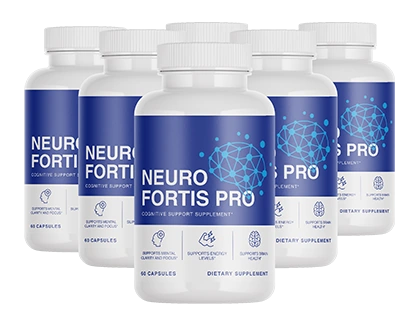
Curious how the theory looks in a real product? Neuro Fortis Pro combines bacopa, lion’s mane, ginkgo, green tea and grape seed with huperzine A in a once-daily capsule. The six-bottle bundle is the best value at $49 per bottle, with free U.S. shipping and a 60-day guarantee.
Check today’s Neuro Fortis Pro pricing — from $49/bottleIs Neuro Fortis Pro a nootropic? A worked example
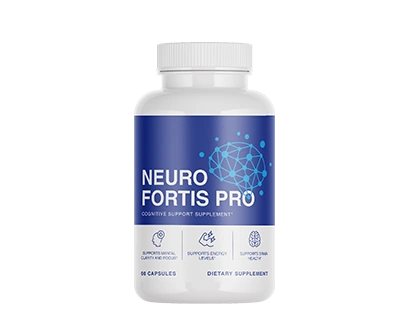
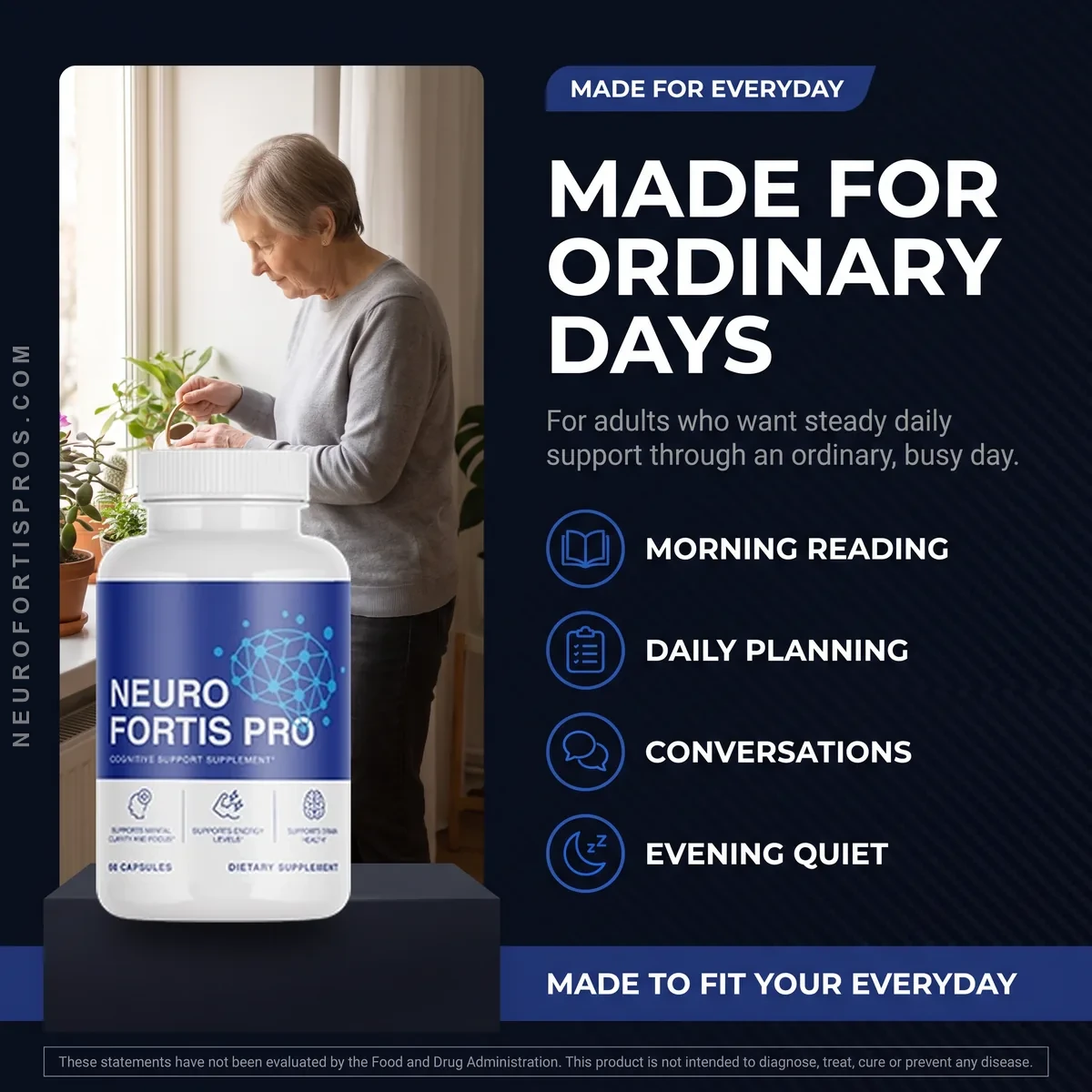
Neuro Fortis Pro is a botanical nootropic blend — a once-daily dietary supplement that brings several of the everyday families above into a single capsule. It is a useful worked example precisely because it is not a stimulant shot: instead it stacks slow-building memory herbs, a functional mushroom and antioxidant plant extracts, the gentle-and-gradual end of the nootropic world. The table below maps each ingredient to the family it belongs to, so you can see how a real blend is assembled from the concepts in this primer.
| Ingredient in Neuro Fortis Pro | Nootropic family | General role |
|---|---|---|
| Bacopa monnieri | Memory herb | One of the most researched botanicals for everyday memory support. |
| Lion’s mane | Functional mushroom | Traditional East Asian food, popular in modern focus blends. |
| Ginkgo biloba | Circulation herb | Long used to support healthy circulation and mental sharpness. |
| Green tea extract | Antioxidant + amino acid | Pairs polyphenol antioxidants with calming L-theanine. |
| Grape seed extract | Antioxidant extract | A rich natural source of proanthocyanidin antioxidants. |
| Huperzine A | Plant-derived compound | Traditionally included in cognitive-support formulas. |
For a deeper look at three of these, read our guide to bacopa, lion’s mane and huperzine A, or the standalone piece on ginkgo biloba for memory and focus. To see the amounts, the full ingredients and supplement facts are on the homepage.

How do you choose and use a nootropic safely?
Choosing a nootropic safely comes down to transparency, sensible doses and honest expectations. Favour products that name every ingredient and its amount rather than hiding them in a “proprietary blend,” look for standards such as GMP, and treat any promise to “cure” or “reverse” a condition as a red flag. Give a slow-building botanical several weeks of use before deciding whether it belongs in your routine.
What does a sensible daily routine look like?
The best routine is the one you will actually keep. Most people take a botanical blend once a day with a meal, at the same time each day, alongside the basics that do the heavy lifting — steady sleep, daily movement and whole foods. If you want the fuller picture, our companion guide on how to improve memory and focus naturally walks through the habits that matter most, with supplements as one small, optional layer on top.
When should you talk to a doctor first?
Nootropics are for supporting a healthy mind, not for self-treating a problem, so some situations call for professional advice first. Speak with your doctor before starting any nootropic if you are pregnant or nursing, under 18, take any medication (huperzine A and ginkgo in particular can interact with some drugs), have a diagnosed condition, or notice persistent, sudden or worsening changes in memory, mood or thinking. A short conversation makes sure anything you add fits safely with the rest of your care.
Frequently asked questions
What are nootropics in simple terms?
Nootropics are foods, nutrients, botanicals or compounds that people use to support everyday thinking — things like memory, focus and mental clarity. In wellness use they are a support for a healthy mind, not a treatment for any medical condition.
What is the difference between a nootropic and a stimulant?
A stimulant such as caffeine pushes alertness up quickly and can wear off just as fast, sometimes with jitters. Many botanical nootropics work more gently and gradually, aiming to support steady focus and recall over weeks rather than an instant spike.
Are nootropics safe?
Well-studied botanical nootropics taken at sensible doses are generally well tolerated by healthy adults, but safety depends on the ingredient, the dose and your own health. Anyone who is pregnant, nursing, under 18 or taking medication should ask a doctor before starting.
Do nootropics actually work?
Evidence varies by ingredient. Some botanicals such as bacopa have reasonable research behind everyday memory support, while others rest more on tradition than on strong trials. None is a shortcut that replaces sleep, movement and nutrition.
Is Neuro Fortis Pro a nootropic?
Neuro Fortis Pro is a botanical nootropic blend — a once-daily capsule combining bacopa, lion’s mane, ginkgo, green tea and grape seed extract with huperzine A. It is a dietary supplement designed to support a healthy mind, not to treat any disease.
How long do nootropics take to work?
Fast-acting ingredients like caffeine and L-theanine can be felt the same day, while botanicals such as bacopa are usually taken daily for several weeks before their support builds. Individual results vary.
See the exact dose in Neuro Fortis Pro — try it risk-free for 60 days →
Neuro Fortis Pro is a dietary supplement, not a treatment for any medical condition. These statements have not been evaluated by the Food and Drug Administration. This product is not intended to diagnose, treat, cure or prevent any disease. Always consult a qualified healthcare professional about your individual needs.
References & further reading
- National Center for Complementary and Integrative Health (NCCIH). Cognitive Health. NCCIH — Cognitive Health
- National Center for Complementary and Integrative Health (NCCIH). Ginkgo. NCCIH — Ginkgo
- Kongkeaw C, et al. Meta-analysis of randomized controlled trials on Bacopa monnieri extract and cognition. J Ethnopharmacol, 2014. Kongkeaw C et al., J Ethnopharmacol 2014 (PMID 24252493)
- Nobre AC, et al. L-theanine, caffeine and attention. (PubMed 18296328) Nobre AC et al., Asia Pac J Clin Nutr 2008 (PMID 18296328)
- Examine.com. Bacopa monnieri — evidence-based summary. examine.com/supplements/bacopa-monnieri
- Mayo Clinic. Memory loss: When to seek help. mayoclinic.org/memory-loss
These references describe the ingredients and habits in general terms and do not constitute evidence that any product treats, cures or prevents any condition.