Natural vs synthetic nootropics: why Neuro Fortis Pro chose botanicals
Natural vs synthetic nootropics is the choice between plant-, mushroom- and food-derived compounds — such as bacopa, lion’s mane and ginkgo — and lab-made molecules like racetams or modafinil-type stimulants. The natural route trades speed for a gentler, antioxidant-supported profile that fits everyday wellness, which is the path Neuro Fortis Pro deliberately takes.
Botanical vs lab nootropics, honestly compared — and where Neuro Fortis Pro sits.
- The split
- Natural nootropics come from plants, mushrooms and foods; synthetic ones are engineered in a lab. Both aim to support focus and memory, by different means.
- Speed vs steadiness
- Many synthetics act within hours; botanicals like bacopa build their support gradually over weeks, which suits a daily habit.
- Safety reality
- “Natural” is not automatically safe, and some synthetics are prescription-only. Anyone on medication should ask a doctor first.
- Where Neuro Fortis Pro fits
- It is a botanical-first, antioxidant-rich blend — a natural brain booster meant to support a healthy mind, not a treatment for any disease.
Search for a way to sharpen your thinking and you land in two camps within a minute: herbal nootropics and natural brain boosters sold as everyday supplements, and a maze of lab-made compounds with code-like names. Understanding that divide — botanical vs lab nootropics — is the fastest way to choose sensibly, and it explains why a formula like Neuro Fortis Pro looks the way it does.
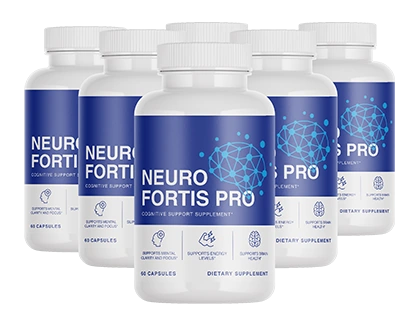
What is the difference between natural and synthetic nootropics?
A nootropic is any substance used with the intention of supporting cognition — focus, memory, mental clarity or mood — and the natural-versus-synthetic line simply describes where that substance comes from. Natural nootropics are extracted from plants, mushrooms and foods, and most are regulated and sold as dietary supplements. Synthetic nootropics are built in a laboratory, and this group ranges from prescription medicines to unregulated research chemicals. The categories overlap, but the practical difference is real: one grows in the ground, the other is designed on a bench.
What counts as a natural or herbal nootropic?
A natural nootropic is a cognitive-support ingredient sourced from nature and typically eaten, brewed or taken as a standardized extract, rather than synthesized from scratch. These are the ingredients with the longest human track record, because many started life as foods or traditional remedies long before the word “nootropic” existed. They tend to work with the body’s own systems — blood flow, antioxidant defenses, neurotransmitter support — and their effects usually accumulate gently rather than arriving as a jolt.
Which plants are the classic natural brain boosters?
The best-known botanical nootropics show up again and again across both tradition and modern research. Each has a defined role, which is what lets a formula combine them with intent rather than at random. Bacopa is the most tested of them, with randomised trials of standardised extract measuring learning and recall (Kumar N et al., Evid Based Complement Alternat Med 2016).
| Natural nootropic | Source | Traditional / general role |
|---|---|---|
| Bacopa monnieri | Ayurvedic herb | One of the most researched botanicals for everyday memory and learning support. |
| Lion’s mane | Culinary mushroom | A traditional East Asian food, popular in modern nootropics for focus and cognition. |
| Ginkgo biloba | Ancient tree leaf | Long used to support healthy circulation and everyday mental sharpness. |
| Green tea | Polyphenol-rich leaf | Studied for working memory; pairs antioxidants with calming L-theanine. |
| Grape seed | Antioxidant extract | One of the richest natural sources of proanthocyanidin antioxidants. |
For a closer look at how three of these work together, read our deep dive on bacopa, lion’s mane and huperzine A, or our guide to grape seed extract for brain health.

What are synthetic nootropics, and how do they differ?
A synthetic nootropic is a cognition-focused compound manufactured in a lab, engineered for a specific and often faster effect. This group includes prescription stimulants and wakefulness drugs, the racetam family sold online, and a long tail of newer research chemicals with little human data. Because they are designed rather than harvested, synthetics can be extremely precise — but a stronger, faster effect usually comes with a stronger, faster list of trade-offs.
Are synthetic nootropics stronger or better?
Stronger is not the same as better, and this is where the debate gets oversimplified. Many synthetics do produce a sharper, same-day lift, which is appealing before an exam or a deadline. But that intensity often brings tolerance, a comedown, or interactions, and much of the newer synthetic category has never been tested in large human trials. For a sustainable everyday routine, a gentler botanical approach is easier to live with.
| Feature | Natural (botanical) nootropics | Synthetic (lab-made) nootropics |
|---|---|---|
| Origin | Plants, mushrooms, foods | Engineered in a laboratory |
| Typical onset | Gradual, over days to weeks | Often within hours |
| Human track record | Long, many as foods or remedies | Mixed; some new compounds barely studied |
| Usual regulation | Dietary supplements | From prescription drugs to unregulated |
| Best-fit use | Steady, daily cognitive wellness | Acute, short-term or clinical use |
See the exact botanical dose in Neuro Fortis Pro →
Why does Neuro Fortis Pro take the botanical, antioxidant-supported route?
Neuro Fortis Pro is a botanical-first nootropic because its goal is steady, everyday cognitive support rather than a short, sharp lab-made spike. Instead of a single engineered molecule, it layers well-studied plants and food extracts — bacopa, lion’s mane, ginkgo, green tea and grape seed — so that antioxidant defense, healthy circulation and neurotransmitter support are all part of the same daily capsule. It is designed as a natural brain booster for ordinary days, not as a treatment for any medical condition.
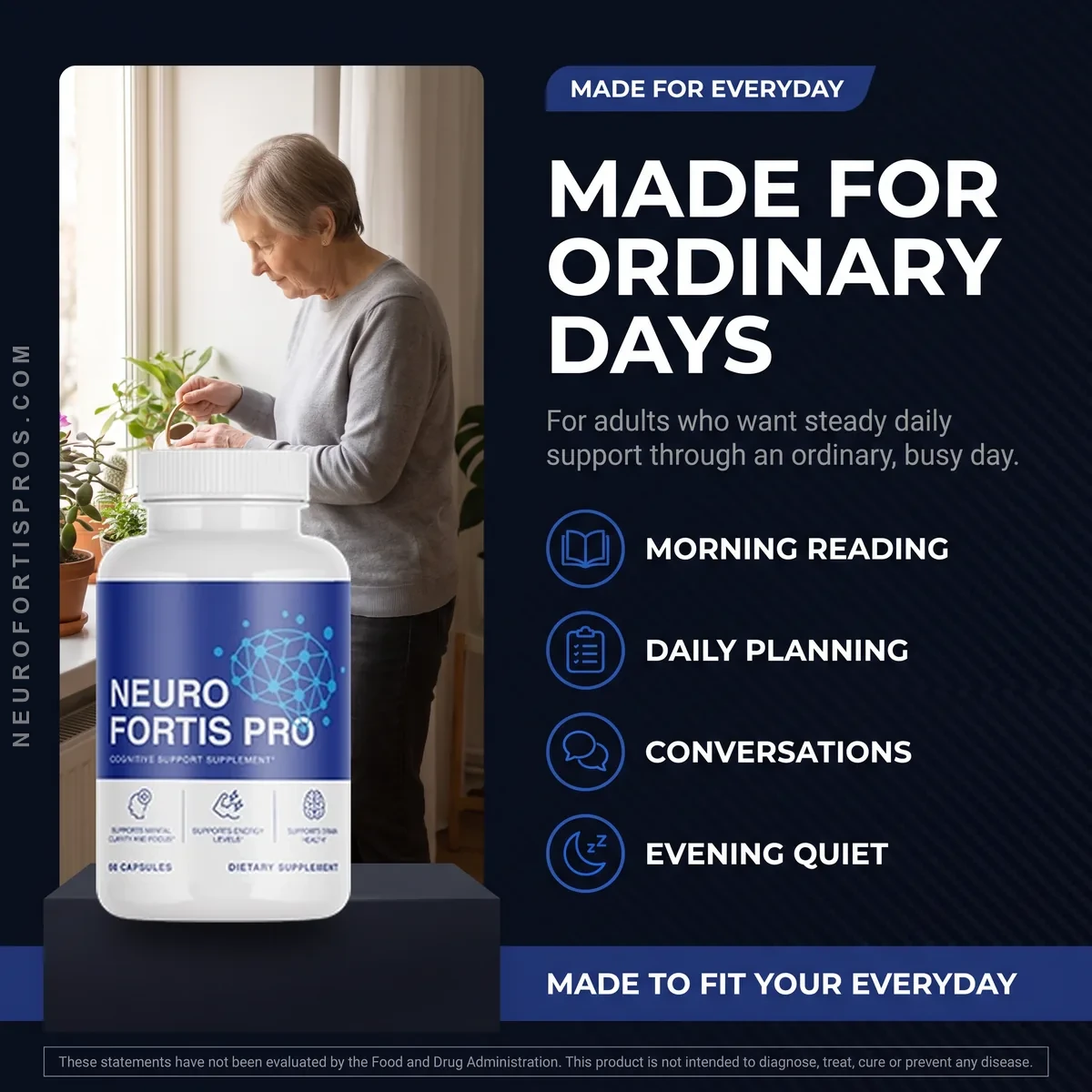
What role do antioxidants play in a natural formula?
Antioxidants matter because the brain is metabolically busy tissue, and that activity generates oxidative stress — the everyday wear-and-tear that research links to age-related cognitive change. Polyphenol-rich botanicals such as green tea and grape seed are among nature’s densest sources of these protective compounds, which is exactly why they anchor a botanical formula. Rather than pushing the system harder, an antioxidant-supported approach aims to help the brain keep doing what it already does well. A review of why the brain is unusually susceptible to oxidative stress explains that vulnerability in detail (Cobley JN et al., Redox Biol 2018).
Where does huperzine A fit in?
Huperzine A is the one ingredient that blurs the line, and it is worth being honest about that. It is originally isolated from the club moss Huperzia serrata, so it is plant-derived, yet it is typically supplied as a highly standardized extract and used in tiny, precise amounts. Neuro Fortis Pro includes it in a small, carefully measured dose alongside the broader botanical blend — you can read the specifics in our huperzine A benefits and dosage guide. A review of its pharmacology describes an isolated alkaloid used in microgram amounts and studied mainly in clinical rather than wellness settings (Qian ZM & Ke Y, Front Aging Neurosci 2014).
The botanical route, in one daily capsule
Neuro Fortis Pro pairs bacopa and lion’s mane with ginkgo, green tea and grape seed — a plant-based blend for steady, everyday support. The six-bottle bundle is the best value at $49 per bottle, with free U.S. shipping and a 60-day guarantee.
Check today’s Neuro Fortis Pro pricing — from $49/bottleHow do natural and synthetic nootropics compare on safety and evidence?
Safety and evidence, not marketing language, should drive the natural-versus-synthetic decision. “Natural” does not mean risk-free: botanicals can still interact with prescription drugs, and quality varies between brands. Much of the synthetic category, meanwhile, is either prescription-only or under-studied in humans. The most defensible position is simple — favor ingredients with a long human track record, buy from transparent manufacturers, and treat any supplement as a support to good habits, not a replacement.

How do you choose between herbal nootropics and lab-made ones?
The right choice comes down to what you actually need the nootropic to do, and for how long. A short list of honest questions makes the decision easy:
- Do you want a daily habit or a one-off boost? Daily wellness favors gentle botanicals; a rare deadline is where people reach for stronger tools.
- How much evidence do you need? If a long human track record matters to you, natural ingredients like bacopa and ginkgo lead.
- Are you on any medication? If yes, that alone is a reason to keep things simple and talk to a doctor first.
- Do you value steadiness over intensity? A gradual, antioxidant-supported curve is easier to sustain than a peak-and-crash.
For most people building a durable routine, that logic points toward a botanical formula. To see how the ingredients translate into practice, our guide on improving mental clarity naturally pairs well with this comparison.
When should you talk to a doctor?
No nootropic, natural or synthetic, replaces medical care, and some situations call for professional input before you start. Speak with your doctor if you are pregnant or nursing, under 18, take any medication, have a diagnosed condition, or notice persistent or sudden changes in memory, mood or thinking. This is doubly true for any synthetic or prescription compound. A short conversation makes sure anything you add fits safely with the rest of your care.
Frequently asked questions
What is the difference between natural and synthetic nootropics?
Natural nootropics are plant-, mushroom- or food-derived compounds such as bacopa, lion’s mane and ginkgo, while synthetic nootropics are made in a lab, such as racetams or modafinil-type compounds. Natural options are generally sold as dietary supplements for everyday wellness, whereas many synthetic ones are drugs or research chemicals.
Are natural nootropics safer than synthetic ones?
Botanical nootropics have long traditions of food and supplement use and a generally gentle profile, but natural does not mean risk-free — they can still interact with medication. Synthetic nootropics vary widely, and some are prescription-only or poorly studied. Always check with a doctor before combining anything with your medicines.
What is in Neuro Fortis Pro, and is it natural or synthetic?
Neuro Fortis Pro is a botanical-first formula built on bacopa, lion’s mane, ginkgo, green tea and grape seed extract, with a small amount of huperzine A. Its emphasis is on plant-derived, antioxidant-rich ingredients rather than lab-made stimulants.
Do herbal nootropics work as fast as synthetic ones?
Usually not. Many synthetic nootropics act within hours, while herbal nootropics like bacopa build their support gradually over weeks. That slower, steadier curve is why most people take a botanical formula daily for several months.
Is huperzine A a natural or synthetic ingredient?
Huperzine A is a compound originally isolated from the club moss Huperzia serrata, so it is plant-derived, though it is often produced in standardized form. It sits between the two worlds and is used in small, precise amounts.
Can I take natural and synthetic nootropics together?
Combining them is not something to do casually, because effects and interactions can stack in unpredictable ways. If you already take a prescribed cognitive medication, talk to your doctor before adding any supplement, natural or not.
Try the botanical route — Neuro Fortis Pro, risk-free for 60 days →
Neuro Fortis Pro is a dietary supplement, not a treatment for any medical condition. These statements have not been evaluated by the Food and Drug Administration. This product is not intended to diagnose, treat, cure or prevent any disease. Always consult a qualified healthcare professional about your individual needs.
References & further reading
- National Center for Complementary and Integrative Health (NCCIH). Cognitive Health. NCCIH — Cognitive Health
- National Center for Complementary and Integrative Health (NCCIH). Ginkgo. NCCIH — Ginkgo
- Kumar N, et al. Efficacy of standardized Bacopa monnieri extract on cognitive performance. (PMC5075615) Kumar N et al., Evid Based Complement Alternat Med 2016 (PMC5075615)
- Qian ZM, Ke Y. Huperzine A: is it an effective disease-modifying drug for Alzheimer’s disease? Frontiers in Aging Neuroscience, 2014. Qian ZM & Ke Y, Front Aging Neurosci 2014 (PMID 25191267)
- Examine.com. Nootropics — evidence-based overview. examine.com/supplements/nootropics
- Mayo Clinic. Memory loss: When to seek help. mayoclinic.org — memory-loss
These references describe the ingredients and habits in general terms and do not constitute evidence that any product treats, cures or prevents any condition.