Grape seed extract for brain health: the antioxidant case in Neuro Fortis Pro
Grape seed extract for brain health is the idea of using the concentrated antioxidants in grape seeds — a family of polyphenols called proanthocyanidins — to help defend busy brain cells against the everyday oxidative stress that comes with an active, ageing mind. It is a support role, not a cure, and it works best alongside good sleep, movement and whole-food nutrition.
Why grape seed extract shows up in brain-health formulas like Neuro Fortis Pro.
- What it is
- A concentrated extract of wine-grape seeds, one of the richest natural sources of proanthocyanidin antioxidants.
- The brain angle
- Its antioxidants help neutralise free radicals, and its polyphenols are studied for healthy circulation — both relevant to hard-working brain cells.
- Evidence level
- Promising but still early; most human data is small or general-antioxidant, so treat it as cellular support, not treatment.
- In Neuro Fortis Pro
- It adds antioxidant defence beside bacopa, lion’s mane, ginkgo and green tea in a once-daily capsule.
Most of the nootropic conversation is about memory and focus — the ingredients that help you think. Grape seed extract plays a quieter role: it is there to help protect the cells doing the thinking. This guide explains what grape seed extract is, how its proanthocyanidin antioxidants relate to the brain, what the evidence honestly shows, and why it earns a place in a nootropic formula like Neuro Fortis Pro.
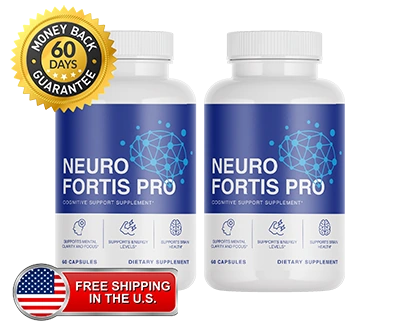
What is grape seed extract, exactly?
Grape seed extract is a concentrated supplement made from the small seeds left over from winemaking, valued because those seeds are one of the densest natural sources of proanthocyanidins. Proanthocyanidins are a group of polyphenol antioxidants — the same broad family found in berries, green tea and dark chocolate — and grape seeds pack them at levels far higher than the fruit’s flesh. A quality extract is usually standardised to a set percentage of these compounds so that each dose is consistent, which is the practical reason a capsule is used rather than simply eating grapes.
What are proanthocyanidins and why do antioxidants matter for the brain?
Proanthocyanidins are antioxidant polyphenols that help neutralise free radicals — the reactive molecules produced as a normal by-product of using oxygen for energy. The brain is unusually vulnerable here: it burns a large share of the body’s energy, is rich in the fats that free radicals attack, and has relatively modest built-in antioxidant defences. Over years, this imbalance is described as oxidative stress, and research links it to the normal wear-and-tear of ageing cells. Dietary antioxidants like the proanthocyanidins in grape seed are studied for how they may top up the body’s own defences and help keep that balance in check. A review of grape seed extract in neurological disorders and brain ageing collects what is known about those compounds and the brain (Mahdipour R et al., Nutr Neurosci 2023).
Free radicals versus antioxidants, in plain terms
Think of free radicals as tiny sparks thrown off by an engine that runs all day, and antioxidants as the system that keeps those sparks from causing damage. A healthy body makes its own antioxidants and gets more from colourful food. The aim of an antioxidant ingredient is simply to support that balance — not to eliminate free radicals, which actually play useful signalling roles, but to help keep them from accumulating. The brain is a plausible target because it consumes a large share of the body’s oxygen and is rich in the fats that oxidise most readily (Cobley JN et al., Redox Biol 2018).
How might grape seed extract support brain health?
Grape seed extract may support brain health through two studied mechanisms: its proanthocyanidins act as antioxidants that help defend cells from oxidative stress, and its polyphenols are researched for supporting healthy blood flow, which the brain depends on for oxygen and nutrients. Some laboratory and animal work also explores how grape-derived polyphenols interact with the proteins involved in brain ageing, but that work is early and cannot be read as a human benefit. The honest summary: the antioxidant and circulatory angles are the most credible, and both fit a preventive, everyday-support framing rather than a treatment one. Both routes are described in our overview of how nootropics work in the brain.

What does the evidence actually show?
The evidence for grape seed extract and cognition is promising but genuinely early, so it is worth being precise about where each claim stands. Much of the strongest human research looks at grape seed for circulation and blood pressure rather than memory directly, while the brain-specific work is largely laboratory, animal or small pilot studies. That does not make it worthless — it makes it a reasonable, well-tolerated antioxidant to include, not a proven cognitive drug. Below is a candid map of the claims. The two direct cognitive tests are a randomised, placebo-controlled trial in healthy young adults, whose findings were modest and task-specific (Bell L et al., Nutr Neurosci 2022), and a randomised trial of grape seed procyanidins in older adults with mild cognitive impairment (Li B et al., Heliyon 2023).
| Claim about grape seed extract | What the research suggests | How strong is it? |
|---|---|---|
| Rich source of antioxidants | Well established that proanthocyanidins are potent free-radical scavengers in lab measures. | Strong (chemistry) |
| Supports healthy circulation | Human trials suggest effects on blood flow and healthy blood pressure. | Moderate |
| Helps defend brain cells from oxidative stress | Supported mainly by cell and animal models; biologically plausible in humans. | Early / preclinical |
| Improves memory or focus directly | Limited small studies; no strong human proof of a cognitive benefit. | Weak |
| Treats or prevents brain disease | No — no ingredient in a supplement is a treatment for any disease. | Not a claim we make |
For a fuller picture of how the memory-and-focus ingredients work, see our companion guide to bacopa, lion’s mane and huperzine A, and the food-first view in the best foods and nutrients for brain health.
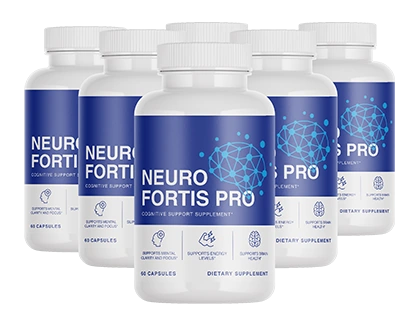
See the exact dose in Neuro Fortis Pro
Neuro Fortis Pro combines grape seed extract with bacopa, lion’s mane, ginkgo and green tea in a once-daily capsule. The six-bottle bundle is the best value at $49 per bottle, with free U.S. shipping and a 60-day guarantee.
Order Neuro Fortis Pro — from $49/bottleWhy is grape seed extract included in Neuro Fortis Pro?
Grape seed extract is in Neuro Fortis Pro to give the formula an antioxidant backbone that complements its cognitive ingredients. A nootropic blend built only on memory-and-focus botanicals addresses how the brain performs today; adding an antioxidant like grape seed acknowledges that hard-working brain cells also face everyday oxidative wear. The design logic is simple: pair ingredients studied for sharpness — bacopa, lion’s mane, ginkgo — with ingredients studied for cellular defence — green tea and grape seed — so the routine supports the mind from more than one angle.
| Ingredient in the blend | Primary role | Works with grape seed by… |
|---|---|---|
| Grape seed extract | Antioxidant (proanthocyanidins) | Providing the core free-radical defence. |
| Green tea | Polyphenol antioxidant + L-theanine | Adding complementary antioxidants and calm focus. |
| Bacopa monnieri | Memory & learning support | Targeting recall while grape seed supports cells. |
| Ginkgo biloba | Healthy circulation | Sharing the blood-flow angle grape seed also touches. |
| Lion’s mane | Focus & cognition | Rounding out the day-to-day performance side. |

How much grape seed extract should you take, and is it safe?
There is no official brain-health dose of grape seed extract, but studies commonly use between 100 and 300 mg a day of a standardised extract. In supplement amounts it is generally well tolerated; the side effects reported are usually mild, such as occasional stomach upset or headache. The most important safety note is interactions: grape seed extract may add to the effect of blood thinners and some blood-pressure medicines, so anyone on medication, pregnant, nursing or under 18 should speak with a doctor before starting. As with any supplement, follow the label and check the supplement facts rather than stacking multiple products blindly.
Can you get the same thing from food?
You can and should eat grapes, berries and other richly coloured plants for their broad mix of antioxidants, but the proanthocyanidins concentrate in the seeds, which we rarely eat. That is the practical case for a standardised extract: it delivers a consistent, measured antioxidant dose that whole fruit alone does not. Food first, extract as a top-up — not the other way around.
Who might consider grape seed extract for brain health?
Grape seed extract for brain health tends to appeal to people taking a preventive, long-game view of cognitive wellness — often adults in their forties and beyond who already eat reasonably well and want to add antioxidant support to a healthy routine. It is not a rescue remedy for a bad night’s sleep and not a substitute for medical care. If you are managing a diagnosed condition or notice persistent changes in memory or thinking, that is a conversation for your doctor, not a supplement decision.
Frequently asked questions
What is grape seed extract and what are proanthocyanidins?
Grape seed extract is a concentrated extract from the seeds of wine grapes, prized because it is one of the richest natural sources of proanthocyanidins — a family of polyphenol antioxidants. These compounds are studied for how they help neutralise free radicals, which is why grape seed appears in antioxidant and brain-health formulas.
How does grape seed extract support brain health?
Grape seed extract supports brain health mainly through its antioxidant proanthocyanidins, which help defend cells against oxidative stress, and through polyphenols studied for healthy circulation. The evidence is promising but still early, so it is best viewed as everyday cellular support rather than a treatment.
Why is grape seed extract in Neuro Fortis Pro?
Grape seed extract is included in Neuro Fortis Pro to add antioxidant defence to its nootropic blend. It pairs with bacopa, lion’s mane, ginkgo and green tea so the formula supports memory and focus while also helping protect busy brain cells from everyday oxidative wear.
How much grape seed extract should you take?
Studies commonly use somewhere between 100 and 300 mg of standardised grape seed extract a day, though there is no official brain-health dose. Neuro Fortis Pro provides a measured amount in its daily capsule; follow the label and check the supplement facts rather than self-dosing.
Is grape seed extract safe?
Grape seed extract is generally well tolerated in the amounts used in supplements, with occasional mild stomach upset or headache reported. Because it may interact with blood thinners and blood-pressure medicine, anyone on medication, pregnant or nursing should ask a doctor before taking it.
Can I just eat grapes instead?
Eating grapes, berries and other colourful fruit is a great habit, but the seeds are where proanthocyanidins concentrate and we rarely eat them. A standardised extract delivers a consistent antioxidant dose, which is why grape seed extract is used in supplements rather than relying on whole fruit alone.
Check today’s Neuro Fortis Pro pricing →
Neuro Fortis Pro is a dietary supplement, not a treatment for any medical condition. These statements have not been evaluated by the Food and Drug Administration. This product is not intended to diagnose, treat, cure or prevent any disease. Always consult a qualified healthcare professional about your individual needs.
References & further reading
- National Center for Complementary and Integrative Health (NCCIH). Antioxidants: In Depth. NCCIH — Antioxidants: In Depth
- National Center for Complementary and Integrative Health (NCCIH). Grape Seed Extract. NCCIH — Grape Seed Extract
- Mahdipour R, et al. The benefits of grape seed extract in neurological disorders and brain aging. Nutritional Neuroscience, 2023. Mahdipour R et al., Nutr Neurosci 2023 (PMID 35343876)
- Bell L, et al. Grape seed polyphenol extract and cognitive function in healthy young adults: a randomised, placebo-controlled, parallel-groups trial. Nutritional Neuroscience, 2022. Bell L et al., Nutr Neurosci 2022 (PMID 31942838)
- Li B, et al. The effect of grape seed procyanidin extract on cognitive function in elderly people with mild cognitive impairment: a randomised controlled trial. Heliyon, 2023. Li B et al., Heliyon 2023 (PMID 37389051)
- Examine.com. Grape seed extract — evidence-based summary. examine.com/supplements/grape-seed-extract
- Mayo Clinic. Grape seed extract. mayoclinic.org/drugs-supplements-grape-seed
These references describe the ingredients and habits in general terms and do not constitute evidence that any product treats, cures or prevents any condition.