How to improve memory and focus naturally: the Neuro Fortis Pro guide
To improve memory and focus naturally means using everyday sleep, food, movement, stress and attention habits — and, if you choose, well-studied nutrients like bacopa and ginkgo — to help keep a healthy mind sharp. It is about consistency over extremes, and it works alongside, not instead of, the guidance of your doctor.
The fastest route to a sharper, steadier mind, in one place.
- The goal
- Keep attention steadier and recall more reliable through an ordinary day, rather than chasing a dramatic overnight fix.
- Biggest levers
- Sleep and movement matter most, closely followed by whole-food nutrition, focused attention and stress control.
- Quick win
- A ten-minute walk before focused work lifts alertness for the hour that follows — the highest return for the lowest effort.
- Where supplements fit
- Nutrients such as bacopa, lion’s mane and ginkgo can support the routine, but they are not a treatment for any disease.
- Timeframe
- Sleep and a walk help the same day; diet and fitness changes show over weeks, and botanicals build support gradually.
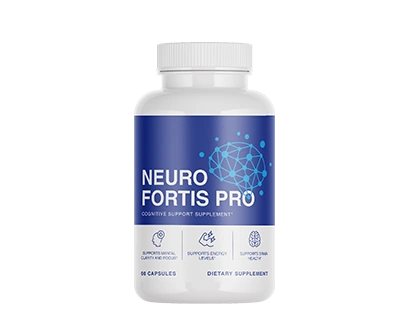
If you have ever walked into a room and forgotten why, or re-read the same sentence three times, you have felt attention and memory in motion. For most people the aim is simply a mind that feels sharper and steadier through an ordinary day. This guide walks through the everyday levers that matter most and shows where a nootropic formula like Neuro Fortis Pro can help.
What does it mean to support memory and focus naturally?
Supporting memory and focus naturally is the practice of using diet, sleep, movement, stress management and mental training to help your brain do what it already does well. It is not a cure, and it is not a shortcut — it is a set of small, repeatable choices that keep your attention steadier and your recall a little more reliable. Two ideas anchor everything below: consistency beats intensity, and these habits stack — each helps a little, and together they help a lot.
Why does focus fade in the first place?
Several ordinary factors chip away at how well your brain performs: short or broken sleep, chronic stress, a sedentary day, blood-sugar swings from refined food, and simply not challenging the mind enough. Research also points to oxidative stress — the everyday wear-and-tear of highly active brain cells — as one factor in age-related cognitive change, which is why antioxidant-rich foods and botanicals feature so heavily in the conversation. The good news: almost every one of those factors is something you can nudge in the other direction. If the feeling you are chasing is cleaner thinking rather than sharper recall, start with improving mental clarity naturally.
What are the most effective everyday habits?
1. Protect your sleep first
Sleep is when the brain consolidates memories and clears metabolic waste, so it is the single highest-return habit for focus and recall. Aim for seven to nine hours on a consistent schedule; a steady bedtime matters as much as the total. A short night blunts attention the next day, and no supplement can replace it.
2. Move your body most days
Physical activity increases blood flow to the brain and supports the growth factors involved in learning and memory. You do not need a gym: brisk walking, cycling, gardening and bodyweight movement all count. Even a ten-minute walk can lift alertness for the hour that follows, which makes it a useful reset before focused work. The same habit is the backbone of keeping your brain sharp after 50.
3. Feed your brain whole foods
What steadies your blood sugar tends to steady your focus. Build meals around fibre, protein and healthy fats, and lean on the colourful plants richest in antioxidants — berries, leafy greens, nuts and oily fish. These are the same polyphenol-rich foods, like green tea and grape, that appear again and again in cognitive research.
4. Train your attention on purpose
Attention is a skill, and modern life trains the opposite of it. Single-task in focused blocks, silence non-essential notifications, and give your mind genuine challenge — a language, an instrument, a puzzle. Cognitive engagement is one of the best-supported ways to keep a mind sharp over the years. Our step-by-step on increasing your attention span naturally covers how to rebuild those blocks.
5. Manage stress and stay hydrated
Chronic stress floods the brain with cortisol, which interferes with memory formation. Simple decompression — a walk, slow breathing, time outdoors — genuinely helps. And because even mild dehydration dents concentration, water and unsweetened tea are quiet allies; green tea in particular pairs hydration with polyphenol antioxidants and a little calm-focus L-theanine.
See how Neuro Fortis Pro fits your routine →
Which nutrients are part of the conversation?
Supplements are a supplement to the habits above, not a substitute, and never a treatment for any condition. Still, a handful of nutrients have long been part of the brain-health conversation. Here is a snapshot of the best-known ones, several of which appear in Neuro Fortis Pro. NCCIH’s cognitive-health summary is a fair baseline for what the research does and does not show (NCCIH — Cognitive Health).
| Nutrient | Why it is discussed | Traditional / general role |
|---|---|---|
| Bacopa monnieri | Ayurvedic herb | One of the most researched botanicals for everyday memory and learning support. |
| Lion’s mane | Culinary mushroom | A traditional East Asian food, popular in modern nootropics for focus and cognition. |
| Ginkgo biloba | Traditional herb | Long used to support healthy circulation and everyday mental sharpness. |
| Green tea | Polyphenol source | Studied for working memory; pairs antioxidants with calming L-theanine. |
| Grape seed | Antioxidant extract | One of the richest natural sources of proanthocyanidin antioxidants. |
Neuro Fortis Pro brings these together in a single daily capsule: bacopa, lion’s mane, ginkgo, green tea and grape seed extract with huperzine A. For a closer look, read our guide to bacopa, lion’s mane and huperzine A, or see the full ingredients section. Bacopa is the best-evidenced of them, studied as a standardised extract over six to twelve weeks (Kumar N et al., Evid Based Complement Alternat Med 2016), and green tea extract is the one with brain-imaging work behind it (Schmidt A et al., Psychopharmacology 2014).
Make it a daily habit
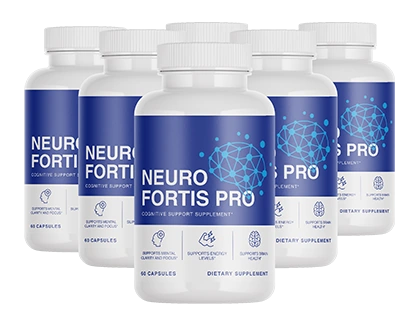
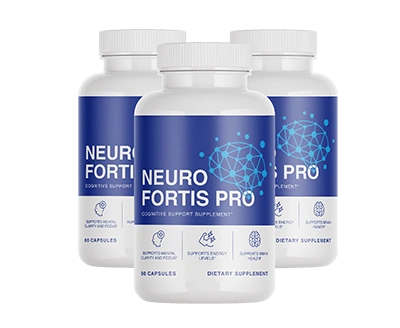
Neuro Fortis Pro is a once-daily capsule pairing bacopa and lion’s mane with a nootropic botanical blend. The six-bottle bundle is the best value at $49 per bottle, with free U.S. shipping and a 60-day guarantee.
Order Neuro Fortis Pro — from $49/bottleHow do you build a simple daily routine?
The best routine is the one you will keep. Rather than overhauling everything at once, stack one small habit at a time until each feels automatic:
- Anchor a consistent bedtime so sleep does the heavy lifting.
- Take a ten-minute walk before your most focused block of the day.
- Build meals around fibre, protein and colourful plants.
- Single-task in focused blocks with notifications silenced.
- Swap one sugary drink for water or green tea.
- Take any supplement at the same time daily — for Neuro Fortis Pro, one capsule with a meal.
Which habits work fastest? An at-a-glance table
A “fast” habit is one you can feel within a day; a “slow” habit reshapes your baseline over weeks. Both matter. This table sorts the core habits by how quickly they help and how much effort they ask.
| Habit | Typical time to notice | Everyday effort |
|---|---|---|
| Ten-minute walk before focused work | Same day | Low |
| Silencing notifications, single-tasking | Same day | Low |
| Swap sugary drinks for water/green tea | Days | Low |
| Whole-food, higher-fibre meals | Days to weeks | Medium |
| Consistent seven-to-nine-hour sleep | Weeks | Medium |
| Regular exercise & mental challenge | Weeks to months | Higher |
Consistency turns any of these into a steadier month. Botanicals build their support gradually, so most people choose a multi-month supply to avoid running out mid-routine — compare the packages and pricing on the homepage.
When should you talk to a doctor?
Natural habits are for supporting a healthy mind; they are not a replacement for medical care. Speak with your doctor if you are pregnant or nursing, under 18, take any medication, have a diagnosed condition, or notice persistent or sudden changes in memory, mood or thinking. A quick conversation ensures anything you add fits safely with your care.
Frequently asked questions
What does it mean to support memory and focus naturally?
It means using everyday sleep, food, movement, stress and attention habits — and, optionally, well-studied nutrients like bacopa and ginkgo — to help keep a healthy mind sharp. It complements, rather than replaces, medical care.
Which habits help focus the most?
Protecting consistent sleep, moving your body most days, eating whole foods, single-tasking with notifications off, and managing stress. A short walk before focused work is one of the fastest, lowest-effort wins.
Do nootropic supplements like bacopa really help?
Bacopa, lion’s mane and ginkgo have long traditions in cognitive wellness and are popular in modern nootropics. They are a support to good habits, not a treatment, and anyone on medication should ask a doctor first.
How long until I notice a difference?
A good night’s sleep or a walk can lift focus the same day, while broader diet and fitness changes usually show over several weeks. Botanicals build their support gradually, and individual results vary.
Can I improve memory without giving up my routine?
Yes. Most gains come from small, stackable habits — a steady bedtime, a daily walk, whole-food meals and a once-a-day capsule — layered into the routine you already have.
Is brain fog always something to worry about?
Occasional fog from poor sleep or stress is common and usually improves with better habits. Persistent, sudden or worsening changes in memory or thinking should always be discussed with a doctor.
Try Neuro Fortis Pro risk-free for 60 days →
Neuro Fortis Pro is a dietary supplement, not a treatment for any medical condition. These statements have not been evaluated by the Food and Drug Administration. This product is not intended to diagnose, treat, cure or prevent any disease. Always consult a qualified healthcare professional about your individual needs.
References & further reading
- National Center for Complementary and Integrative Health (NCCIH). Cognitive Health. NCCIH — Cognitive Health
- National Center for Complementary and Integrative Health (NCCIH). Ginkgo. NCCIH — Ginkgo
- Kumar N, et al. Standardized Bacopa monnieri and cognitive function. (PMC5075615) Kumar N et al., Evid Based Complement Alternat Med 2016 (PMC5075615)
- Schmidt A, et al. Green tea extract and working-memory processing. (PMC4159594) Schmidt A et al., Psychopharmacology 2014 (PMC4159594)
- Examine.com. Bacopa monnieri — evidence-based summary. examine.com/supplements/bacopa-monnieri
These references describe the ingredients and habits in general terms and do not constitute evidence that any product treats, cures or prevents any condition.