How to keep your brain sharp as you age: the Neuro Fortis Pro guide for staying sharp after 50
To keep your brain sharp as you age means protecting the everyday habits — sleep, movement, whole-food nutrition, mental challenge and social connection — that let a healthy mind hold onto memory and focus, and, if you choose, adding well-studied nutrients like bacopa and ginkgo as support. After 50 it is about consistency over intensity, and it works alongside, never instead of, your doctor’s guidance.
How to keep your mind sharp after 50, in one place.
- The short version
- Sleep, exercise, whole foods, lifelong learning and connection protect memory and focus most; a daily nootropic can complement them.
- Biggest habit
- Consistent seven-to-nine-hour sleep does more for recall than any single supplement.
- Fastest win
- A brisk ten-minute walk lifts alertness the same day and supports brain blood flow over time.
- Where a supplement fits
- Nutrients like bacopa, lion’s mane and ginkgo in Neuro Fortis Pro support the routine, but are not a treatment for any disease.
Turning 50 does not flip a switch on your memory. Most people simply reach for a name a beat slower, or lose a thread when interrupted — a normal part of healthy aging, and the point at which daily choices matter most. This guide walks through the levers that keep a mind sharp and shows where a nootropic like Neuro Fortis Pro fits an over-50 routine.

What does it mean to keep your brain sharp as you age?
Keeping your brain sharp as you age is the practice of using sleep, nutrition, movement, mental challenge and social connection to help your brain keep doing what it already does well. It is not a cure or a shortcut — it is a set of small, repeatable choices that keep attention steadier and recall more reliable. Two ideas anchor everything below: consistency beats intensity, and these habits stack.
Why does memory change after 50 in the first place?
Memory changes with age because the brain, like the rest of the body, accumulates ordinary wear over time. Blood flow becomes less efficient, connections between brain cells turn over more slowly, and oxidative stress — the by-product of highly active cells — adds up. Lifestyle piles on: short sleep, a sedentary week, blood-sugar swings and chronic stress each blunt focus on their own. The encouraging part is that almost every one of those factors is something you can nudge in the other direction, which is what the habits below are for. The National Institute on Aging sets out what is normal and what is worth a doctor’s appointment (National Institute on Aging — Cognitive Health and Older Adults).
Which daily habits protect a sharp mind the most?
The habits that protect a sharp mind after 50 are the same ones that protect the heart: consistent sleep, regular movement, whole-food nutrition, active learning and real social connection. None is dramatic alone, but stacked together they form the best-supported defense of memory and focus available — and none requires a prescription.
How much sleep does an aging brain need?
Sleep is when the brain consolidates memories and flushes metabolic waste, which makes it the single highest-return habit for a sharp mind. Most adults over 50 still need seven to nine hours on a consistent schedule; a steady bedtime matters as much as the total. If you wake unrefreshed most days, fix that first — no supplement can substitute for the repair that happens overnight.
Does exercise really help memory after 50?
Regular physical activity increases blood flow to the brain and supports the growth factors involved in learning and memory, and its benefits do not fade with age. You do not need a gym: brisk walking, cycling, gardening and swimming all count. Even a ten-minute walk lifts alertness for the hour that follows — a useful reset before a task that needs focus.
What should you eat for brain health after 50?
What steadies your blood sugar tends to steady your focus, so brain-healthy eating after 50 leans on fibre, protein, healthy fats and the colourful plants richest in antioxidants. Build meals around berries, leafy greens, nuts, beans and oily fish, and lean on polyphenol-rich staples — green tea, grapes, olive oil — that recur in cognitive research. For more, see our guide to the best foods and nutrients for brain health.
How do you keep your mind challenged?
Cognitive engagement — giving the brain genuine, novel challenge — is one of the best-supported ways to keep a mind sharp over the decades. Learn a language, pick up an instrument, or trade familiar puzzles for something you are not yet good at. The key word is novel: a crossword you can already finish is pleasant, but stretching into the unfamiliar is what builds new connections.

How do stress and connection affect recall?
Chronic stress floods the brain with cortisol, which interferes with forming and retrieving memories, while loneliness is increasingly recognised as its own risk to cognitive wellness. Simple decompression — a walk, slow breathing, time outdoors — helps, and so does staying connected: a weekly call, a shared meal or volunteering all keep the mind engaged. Staying hydrated matters too, since even mild dehydration dents concentration.
See the exact dose in Neuro Fortis Pro →
Where does a nootropic like Neuro Fortis Pro fit after 50?
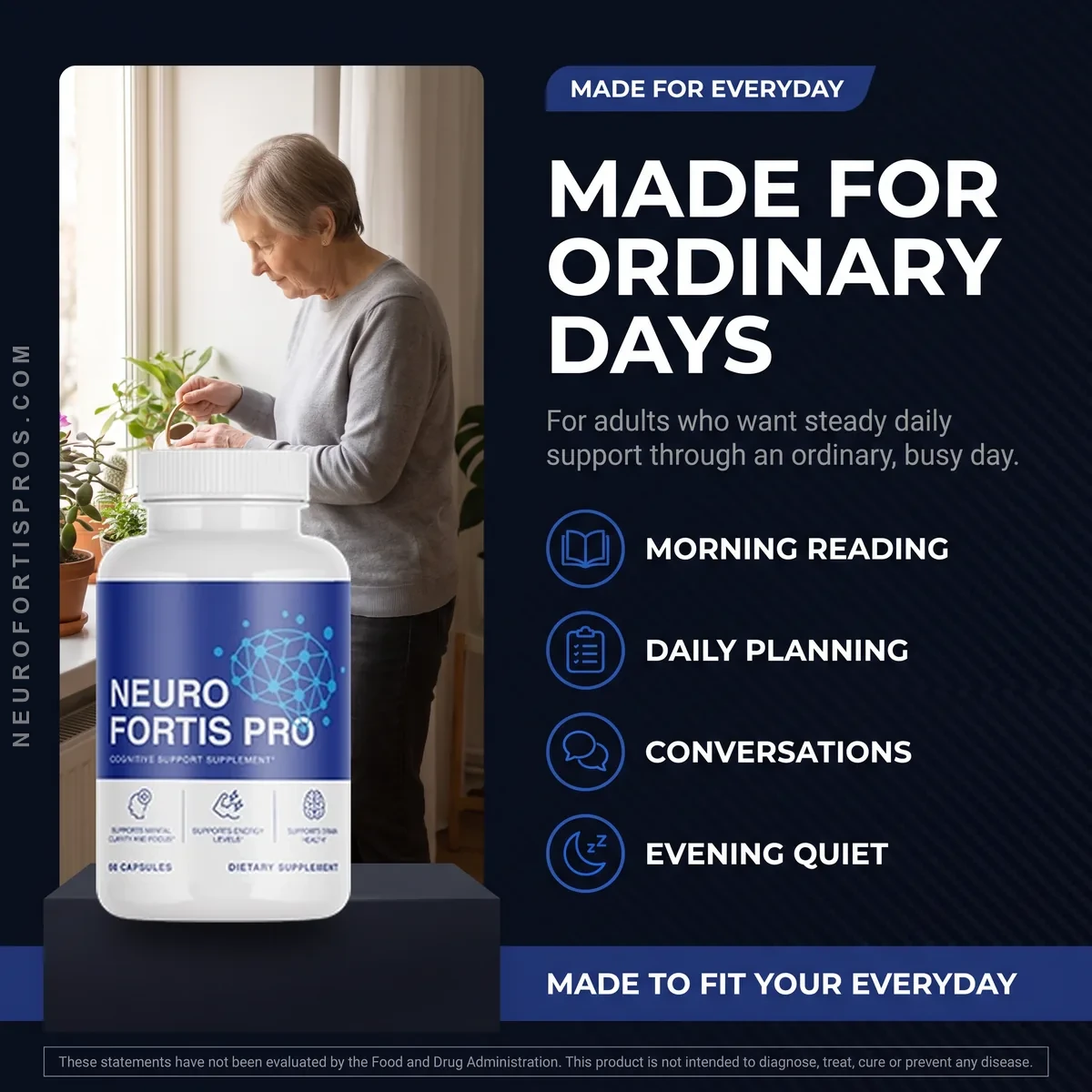
A nootropic supplement is a complement to the habits above, never a substitute and never a treatment for any condition. Still, a handful of nutrients have long been part of the healthy-brain-aging conversation, and several appear together in Neuro Fortis Pro. NCCIH’s cognitive-health summary is the honest baseline for what supplements have shown (NCCIH — Cognitive Health).
| Nutrient | Type | Traditional / general role |
|---|---|---|
| Bacopa monnieri | Ayurvedic herb | One of the most researched botanicals for everyday memory and learning support. |
| Lion’s mane | Culinary mushroom | A traditional East Asian food, popular in modern nootropics for focus and cognition. |
| Ginkgo biloba | Traditional herb | Long used to support healthy circulation and everyday mental sharpness. |
| Green tea | Polyphenol source | Studied for working memory; pairs antioxidants with calming L-theanine. |
| Grape seed | Antioxidant extract | One of the richest natural sources of proanthocyanidin antioxidants. |
| Huperzine A | Plant alkaloid | A traditional club-moss compound included in many memory-support blends. |
Neuro Fortis Pro brings these together in a single daily capsule, so an over-50 routine has one supplement step, not six. For the evidence behind the headline botanicals, read our deep dive on bacopa, lion’s mane and huperzine A, or see the full ingredients section. Bacopa is the best-evidenced ingredient in it, studied as a standardised extract over six to twelve weeks (Kumar N et al., Evid Based Complement Alternat Med 2016).
Make it a daily habit after 50
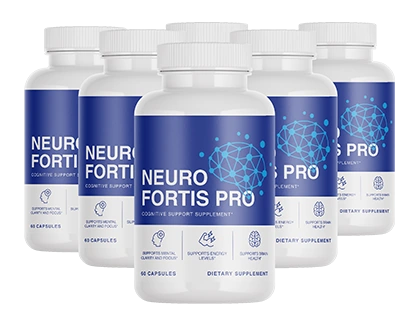
Neuro Fortis Pro is a once-daily capsule pairing bacopa and lion’s mane with a nootropic botanical blend. The six-bottle bundle is the best value at $49 per bottle, with free U.S. shipping and a 60-day guarantee.
Check today’s Neuro Fortis Pro pricing — from $49/bottleHow do you build a simple brain-healthy routine after 50?
The best routine for a sharp mind is the one you will actually keep, so build it by stacking one small habit at a time rather than overhauling everything at once. Layer these onto the day you already have:
- Anchor a consistent bedtime so sleep does the heavy lifting on memory.
- Take a ten-minute walk before the part of the day that needs the most focus.
- Build meals around fibre, protein and colourful plants, with berries and leafy greens most days.
- Learn something genuinely new each week — a language, a piece of music, an unfamiliar craft.
- Stay connected with one real conversation, meal or activity.
- Take any supplement at the same time daily — for Neuro Fortis Pro, one capsule with a meal.

Which brain-healthy habits work fastest? An at-a-glance table
A “fast” habit is one you can feel within a day; a “slow” habit reshapes your baseline over weeks. Both matter after 50. This table sorts the core habits by how quickly they help and how much effort they ask.
| Habit | Typical time to notice | Everyday effort |
|---|---|---|
| Ten-minute walk before focused work | Same day | Low |
| Swap a sugary drink for water or green tea | Days | Low |
| One real social conversation or activity | Same day | Low |
| Whole-food, higher-fibre meals | Days to weeks | Medium |
| Consistent seven-to-nine-hour sleep | Weeks | Medium |
| Regular exercise & learning something new | Weeks to months | Higher |
Consistency turns any of these into a steadier month, and botanicals build their support gradually, so most people choose a multi-month supply — compare the packages and pricing, or read how to improve memory and focus naturally for the wider picture.
When should you see a doctor about memory?
Brain-healthy habits support a healthy mind; they are not a replacement for medical care. Speak with your doctor if you take any medication, have a diagnosed condition, or notice memory or thinking changes that are persistent, sudden, worsening, or interfering with daily life — those are signals to be evaluated, not managed with supplements. A quick conversation also ensures anything you add fits safely with your existing care.
Frequently asked questions
How can I keep my brain sharp as I age?
Protect consistent sleep, move most days, eat whole foods rich in antioxidants, keep learning new things, stay socially connected and manage stress. These stackable habits do the heavy lifting, and a daily nootropic such as Neuro Fortis Pro can complement them — it is a support, not a treatment.
Is it normal for memory to change after 50?
Some slowing of recall and word-finding is a normal part of healthy aging. Occasional lapses tied to poor sleep or stress usually improve with better habits. Persistent, sudden or worsening changes should always be discussed with a doctor.
How much sleep does an older brain need?
Most adults over 50 still need seven to nine hours on a consistent schedule. Sleep is when the brain consolidates memories and clears waste, so a steady bedtime is one of the highest-return habits for a sharp mind.
Does Neuro Fortis Pro help with brain health after 50?
Neuro Fortis Pro is a once-daily capsule combining bacopa, lion’s mane, ginkgo, green tea and grape seed extract with huperzine A — nutrients long discussed in cognitive wellness. It is designed to complement good habits, not to diagnose, treat or cure any condition.
How long before brain-healthy habits make a difference?
A good night’s sleep or a walk can lift focus the same day, while diet and fitness changes usually show over several weeks. Botanicals build their support gradually, and individual results vary.
Can supplements replace a healthy lifestyle for brain aging?
No. Supplements are a complement to sleep, movement, nutrition and mental engagement, never a substitute. Anyone on medication or with a diagnosed condition should ask a doctor before adding anything new.
Try Neuro Fortis Pro risk-free for 60 days →
Neuro Fortis Pro is a dietary supplement, not a treatment for any medical condition. These statements have not been evaluated by the Food and Drug Administration. This product is not intended to diagnose, treat, cure or prevent any disease. Always consult a qualified healthcare professional about your individual needs.
References & further reading
- National Center for Complementary and Integrative Health (NCCIH). Cognitive Health. NCCIH — Cognitive Health
- National Institute on Aging (NIH). Cognitive Health and Older Adults. nia.nih.gov/health/cognitive-health-and-older-adults
- Mayo Clinic. Memory loss: 7 tips to improve your memory. mayoclinic.org/healthy-lifestyle/healthy-aging
- Kumar N, et al. Standardized Bacopa monnieri and cognitive function. (PMC5075615) Kumar N et al., Evid Based Complement Alternat Med 2016 (PMC5075615)
- National Center for Complementary and Integrative Health (NCCIH). Ginkgo. NCCIH — Ginkgo
- Examine.com. Bacopa monnieri — evidence-based summary. examine.com/supplements/bacopa-monnieri
These references describe the ingredients and habits in general terms and do not constitute evidence that any product treats, cures or prevents any condition.