Ginkgo biloba for memory: the Neuro Fortis Pro ingredient guide
Ginkgo biloba for memory refers to the use of extract from the leaf of the ancient ginkgo tree to support healthy circulation and everyday mental sharpness. It is one of the most-studied botanicals in the cognitive-wellness world, its evidence is genuinely mixed rather than miraculous, and it works best as a steady, daily support to good habits — never as a treatment for any disease.
What ginkgo biloba is, what it can and cannot do, and where it fits.
- What it is
- A standardized extract of the ginkgo tree’s fan-shaped leaf, rich in flavonoid and terpene antioxidants.
- Traditional role
- Long used to support healthy blood flow, including to the brain, and everyday alertness and recall.
- What the evidence says
- Mixed. Some trials in older adults show modest support; large prevention studies found no clear benefit.
- Where it fits
- As one botanical in a daily blend like Neuro Fortis Pro — a support to sleep, movement and nutrition, not a substitute.
- Timeframe
- Taken daily; support builds gradually over weeks, so consistency matters more than any single dose.
Ginkgo is a botanical with an almost unfair backstory: the ginkgo tree is a living fossil, largely unchanged for more than 200 million years, and its leaf extract has been used in traditional wellness for centuries. That heritage is exactly why it appears so often in modern nootropics — including Neuro Fortis Pro. This guide separates the tradition from the trial data, then shows honestly where ginkgo sits in the blend.
What is ginkgo biloba, and how does it relate to memory?
Ginkgo biloba is a standardized extract prepared from the fan-shaped leaves of the ginkgo tree, valued for its two main families of active compounds: flavonoid antioxidants and unique terpene lactones. In cognitive wellness, ginkgo is discussed for memory because those compounds are associated with two ideas that matter to an ageing brain — healthy blood flow and protection against oxidative wear. It is important to state plainly that ginkgo is a dietary botanical, not a drug, and nothing here describes it as a cure for memory loss or any medical condition.
How does ginkgo biloba work for the brain?
Ginkgo is thought to support the brain through circulation and antioxidant activity rather than through any single “memory chemical”. The brain is a demanding organ — roughly two per cent of body weight but around twenty per cent of energy use — so the quality of its blood supply and its defence against everyday cellular stress are both plausible levers for how sharp it feels.
Does ginkgo really support circulation?
The traditional case for ginkgo rests largely on circulation. Its flavonoids and terpenes are studied for their role in healthy blood-vessel function and normal blood flow, which is the mechanism most often cited for why the leaf became associated with alertness and recall. This is a general, traditional-use description — not a claim that ginkgo treats any vascular disease.

What about antioxidants and oxidative stress?
Highly active brain cells generate a steady stream of reactive by-products, and this oxidative stress is one factor researchers link to age-related cognitive change. Ginkgo leaf is naturally rich in antioxidant flavonoids, which is why it sits alongside other antioxidant botanicals — green tea and grape seed among them — in the brain-health conversation and in the Neuro Fortis Pro formula. A review of why the brain is unusually susceptible to oxidative stress explains the chemistry behind that vulnerability (Cobley JN et al., Redox Biol 2018).

What does the research actually say about ginkgo for memory?
The honest summary is that the evidence for ginkgo and memory is mixed, and it depends heavily on who is studied and why. Some trials in older adults with everyday complaints report modest support for cognitive tasks, while the largest and most rigorous prevention trials — designed to see whether ginkgo could stop decline in healthy seniors — did not find a clear benefit. Reviewers therefore describe ginkgo as promising in tradition but inconsistent in the data, which is exactly why a responsible product treats it as a supporting botanical rather than a headline cure. The largest prevention trial, which followed more than three thousand older adults, found ginkgo did not reduce the incidence of dementia (DeKosky ST et al., JAMA 2008), and a Cochrane systematic review judged the wider evidence inconsistent and unreliable (Wieland LS et al., Cochrane Database Syst Rev 2026).
| Research angle | What it looked at | General takeaway |
|---|---|---|
| Traditional use | Centuries of use for circulation and alertness | Strong heritage; foundational to ginkgo’s reputation. |
| Older-adult trials | Everyday memory and attention tasks | Some show modest support; results are not uniform. |
| Large prevention trials | Preventing decline in healthy seniors | No clear preventive benefit was demonstrated. |
| Antioxidant science | Flavonoid and terpene content of the leaf | Consistent evidence the leaf is antioxidant-rich. |
In other words, ginkgo is neither the miracle some ads imply nor the dud that a single failed trial suggests. It is a well-characterised antioxidant botanical with a genuine tradition and a realistic, supporting role — which is how you should read it inside any blend.
See the exact ginkgo dose in Neuro Fortis Pro →
Why is ginkgo biloba part of the Neuro Fortis Pro blend?
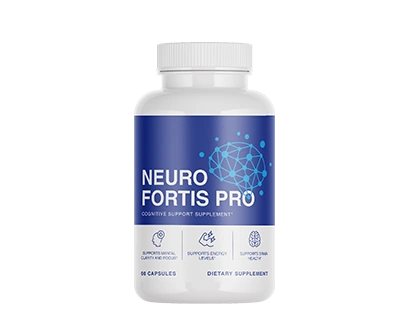
Ginkgo earns its place in Neuro Fortis Pro because it complements the other ingredients rather than duplicating them. Where bacopa is studied for learning and memory retention and lion’s mane for focus and nerve health, ginkgo brings the circulation-and-antioxidant angle — a different mechanism, stacked in one daily capsule. The formula pairs standardized ginkgo leaf extract with bacopa monnieri, lion’s mane, green tea and grape seed, plus huperzine A. For the full ingredient walk-through, read our companion guide to bacopa, lion’s mane and huperzine A, or the broader look at improving memory and focus naturally.
Ginkgo, done consistently
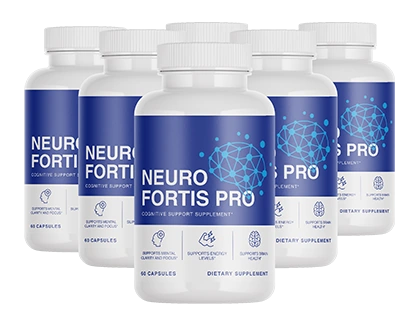
Neuro Fortis Pro delivers standardized ginkgo alongside bacopa and lion’s mane in one once-daily capsule. The six-bottle bundle is the best value at $49 per bottle, with free U.S. shipping and a 60-day guarantee — enough to run ginkgo daily the way the research does.
Order Neuro Fortis Pro — from $49/bottleHow much ginkgo biloba should you take, and in what form?
The form of ginkgo matters more than most people realise: research is done on standardized leaf extract, not raw leaf or seed, and it is the standardization that keeps the antioxidant content consistent. The table below sorts the practical questions people ask about taking ginkgo so you know what to look for on any label — including the Supplement Facts panel for Neuro Fortis Pro.
| Question | What to know |
|---|---|
| Which part is used? | The leaf extract — not the seed, which is not suitable for supplement use. |
| What does “standardized” mean? | The extract is calibrated to a set level of flavonoids and terpenes for consistency. |
| How is it usually taken? | Once daily with a meal; consistency over weeks matters more than any single dose. |
| When do people notice support? | Gradually — most studies run 8–12 weeks or longer. Individual results vary. |
| Solo or in a blend? | Commonly combined with other botanicals, as in the Neuro Fortis Pro formula. |
Because ginkgo builds its support gradually, most people choose a multi-month supply so they never run out mid-routine. You can compare the packages and pricing on the homepage to match the supply to the timeframe the studies use.
Is ginkgo biloba safe? Who should avoid it?
Standardized ginkgo leaf extract is generally well tolerated by healthy adults, with only mild and occasional effects such as headache or stomach upset reported at typical supplement doses. The important caution is not the leaf itself but its interactions: ginkgo can have a blood-thinning effect, so it is not appropriate alongside anticoagulant or anti-seizure medication, before surgery, or during pregnancy and breastfeeding. If you take any medication or have a diagnosed condition, a short conversation with your doctor is the right first step before adding ginkgo or any nootropic. NCCIH lists the same cautions, including the interaction with blood-thinning medicines (NCCIH — Ginkgo).
How does ginkgo compare with other nootropic botanicals?
Ginkgo is best understood next to its blend-mates rather than in isolation, because each botanical is studied for a different angle. Bacopa is the memory-and-learning specialist with the deepest cognitive research base; lion’s mane is the focus-and-nerve-health mushroom; green tea and grape seed are antioxidant partners; and ginkgo is the circulation-and-antioxidant leaf. Stacking them is the whole point of a formula — no single botanical is asked to do everything, and ginkgo contributes a mechanism the others do not. For the memory-first ingredient, our bacopa and lion’s mane deep-dive is the natural next read. Our head-to-head on bacopa vs ginkgo biloba for memory takes that comparison further, and choosing a memory supplement after 50 covers what an older reader should check first.
Frequently asked questions
Does ginkgo biloba really improve memory?
Ginkgo biloba has a long traditional role in supporting healthy circulation and everyday mental sharpness, and it is one of the most studied botanicals in the cognitive space. The evidence is mixed rather than conclusive: some trials in older adults show modest support while large prevention trials found no clear benefit. It is best seen as a support to good habits, not a treatment for any condition.
How long does ginkgo biloba take to work?
Botanicals like ginkgo are typically taken daily and build their support gradually over weeks rather than delivering a same-day jolt. Most studies run for eight to twelve weeks or longer, which is why people usually choose a multi-month supply and take it consistently. Individual results vary.
How much ginkgo biloba is in Neuro Fortis Pro?
Neuro Fortis Pro includes standardized ginkgo biloba leaf extract as part of its once-daily nootropic blend alongside bacopa, lion’s mane, green tea and grape seed. You can see the exact amount on the Supplement Facts panel on the product page rather than relying on a general figure.
Is ginkgo biloba safe to take every day?
Standardized ginkgo leaf extract is generally well tolerated by healthy adults at typical supplement doses, with mild effects like headache or stomach upset reported occasionally. It can thin the blood, so anyone on blood thinners, awaiting surgery, pregnant or nursing should speak with a doctor before use.
Can I take ginkgo biloba with other nootropics?
Ginkgo is often combined with other well-studied botanicals such as bacopa and lion’s mane, which is exactly how it appears in a blend like Neuro Fortis Pro. The key caution is medication interactions rather than the botanicals themselves, so review any prescriptions with your doctor first.
Who should not take ginkgo biloba?
Ginkgo is not recommended for people on blood-thinning or anti-seizure medication, those scheduled for surgery, and anyone who is pregnant or breastfeeding. If you have a diagnosed condition or take any medication, check with a qualified healthcare professional before adding it.
Check today’s Neuro Fortis Pro pricing →
Neuro Fortis Pro is a dietary supplement, not a treatment for any medical condition. These statements have not been evaluated by the Food and Drug Administration. This product is not intended to diagnose, treat, cure or prevent any disease. Always consult a qualified healthcare professional about your individual needs.
References & further reading
- National Center for Complementary and Integrative Health (NCCIH). Ginkgo. NCCIH — Ginkgo
- Mayo Clinic. Ginkgo — drugs and supplements. mayoclinic.org/drugs-supplements-ginkgo
- MedlinePlus (U.S. National Library of Medicine). Ginkgo. medlineplus.gov/druginfo/natural/333.html
- National Center for Complementary and Integrative Health (NCCIH). Cognitive Health. NCCIH — Cognitive Health
- DeKosky ST, et al. Ginkgo biloba for prevention of dementia: a randomized controlled trial. JAMA, 2008. DeKosky ST et al., JAMA 2008 (PMID 19017911)
- Wieland LS, et al. Ginkgo biloba for cognitive impairment and dementia. Cochrane Database of Systematic Reviews, 2026. Wieland LS et al., Cochrane Database Syst Rev 2026 (PMID 41641880)
- Examine.com. Ginkgo biloba — evidence-based summary. examine.com/supplements/ginkgo-biloba
These references describe the ingredient and habits in general terms and do not constitute evidence that any product treats, cures or prevents any condition.