Best memory boosters for seniors: the Neuro Fortis Pro buyer’s guide
The best memory boosters for seniors are the ones an older adult will actually take every day: a single, honestly dosed formula of well-studied botanicals built around a simple once-a-day routine, rather than a cabinet full of half-finished bottles. This guide explains what the 50-plus reader should look for on a label, which ingredients carry the most evidence, and where a once-daily formula like Neuro Fortis Pro fits — alongside, never instead of, a doctor’s care.
The best memory supplement for a senior is the one that is easy to keep taking: named ingredients at disclosed doses, quality manufacturing, and a simple once-a-day capsule. No supplement treats or prevents any disease, so pair it with good habits and your doctor’s guidance.
- What to prioritise
- Disclosed doses over hidden “proprietary blends,” and a once-daily format you can stick to.
- Best-studied ingredients
- Bacopa monnieri, ginkgo biloba and lion’s mane lead the everyday cognitive-support conversation.
- Give it time
- Botanicals build support gradually; plan on a consistent 8–12 weeks before judging results.
- Safety first
- If you take medication or have a diagnosed condition, ask a doctor or pharmacist before starting.
Memory changes are a common worry after 50, and the supplement aisle answers with hundreds of products and eye-watering price tags. This guide helps an older adult, or the family member helping them, avoid the two classic mistakes: overpaying for an unproven blend, and quitting a reasonable formula before it has had a fair chance to work.

What should older adults look for in a memory supplement?
A good senior memory supplement is one with named ingredients at disclosed amounts, made to a recognised quality standard, and dosed in a format simple enough to take every single day. Those three tests — transparency, quality and simplicity — matter far more than a long ingredient list or a celebrity endorsement. Below, each is worth a closer look.
Are the ingredients and doses actually disclosed?
The single most useful thing on a label is a full ingredient panel with real amounts in milligrams. A “proprietary blend” that hides how much of anything you are getting makes it impossible to compare products or match the doses used in research. Favour a formula that names each botanical and states its amount, so you can see the exact dose you pay for. Our label walkthrough on what to look for in a nootropic supplement shows what to check line by line, and how to choose a brain supplement turns it into a shortlist.
Is the manufacturing quality stated?
Supplements are not tested by the FDA before sale, so quality is on the buyer to check. Look for GMP-certified facilities and made-in-USA production, which signal a company willing to be held to a standard. It is a floor, not a guarantee — but its absence is a red flag. The NIH Office of Dietary Supplements explains what that means for a buyer and which quality marks are worth anything (NIH Office of Dietary Supplements — Dietary Supplements: What You Need To Know).
Is it a simple once-a-day format?
The best formula is worthless in the bottle. For an older adult who may already manage several prescriptions, a once-a-day capsule is far easier to keep up than a three-times-daily powder. Simplicity is not a minor convenience; it is the biggest predictor of whether a supplement gets taken long enough to matter.
Why does memory change with age in the first place?
Age-related memory change is a normal, gradual process driven by slower processing, reduced blood flow to the brain, and the cumulative wear of oxidative stress on hard-working brain cells. It is different from the sudden or severe changes seen in disease, which is why everyday cognitive support aims to protect healthy function rather than reverse anything. Antioxidant-rich foods and botanicals feature so heavily because oxidative stress is one lever an ordinary person can nudge. The National Institute on Aging sets out plainly which lapses are part of normal ageing and which are not (National Institute on Aging — Memory, Forgetfulness and Aging).

Which ingredients have the most evidence for senior brain support?
The best-studied ingredients for everyday cognitive support in older adults are a short list of botanicals with long traditional use and a growing research base — not an exotic blend of a dozen obscure extracts. The table below summarises the ones that appear most often. None is a treatment for any condition. Bacopa is the clearest example, with randomised trials of standardised extract running six to twelve weeks (Kumar N et al., Evid Based Complement Alternat Med 2016).
| Ingredient | Why it is discussed for seniors | Evidence signal |
|---|---|---|
| Bacopa monnieri | Ayurvedic herb studied for memory and learning support in adults. | Among the most researched cognitive botanicals. |
| Ginkgo biloba | Traditionally used to support healthy circulation and mental sharpness. | Widely studied; mixed but active research base. |
| Lion’s mane | Culinary mushroom popular in modern nootropics for focus and cognition. | Early and promising; more research needed. |
| Green tea extract | Pairs polyphenol antioxidants with calming L-theanine. | Studied for working-memory processing. |
| Grape seed extract | One of the richest sources of proanthocyanidin antioxidants. | Studied mainly for antioxidant activity. |
| Huperzine A | Plant compound long used in traditional practice. | Best used at modest amounts within a blend. |
Even where evidence is strongest, as with bacopa, it describes gradual, modest support rather than a dramatic effect — and honest guides say so. For a deeper look at the headline botanicals, read our explainer on bacopa, lion’s mane and huperzine A.
Why does a once-a-day format matter for the 50-plus reader?
A once-a-day capsule matters more for older adults than for anyone else because consistency is the whole point of a botanical supplement, and complexity is its enemy. Bacopa and its companions only build support when taken steadily for weeks; a regimen that is easy to forget quietly sabotages the very thing you bought it for. Here, format becomes as important as formula.
Neuro Fortis Pro is built around exactly this idea: one capsule a day, taken with a meal, combining bacopa, lion’s mane, ginkgo, green tea and grape seed extract with a modest amount of huperzine A. There is nothing to measure, mix or schedule around, which is what makes it realistic to take for the eight to twelve weeks botanicals ask for. See how it is meant to be used in the full Neuro Fortis Pro review.
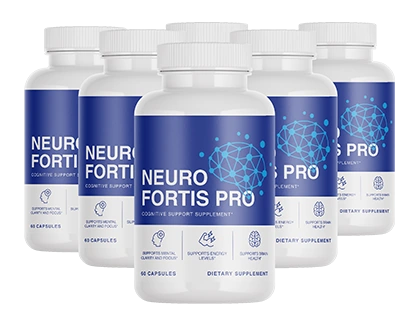
A simple once-a-day habit, sized for a real trial
Because botanicals build support gradually, a multi-month supply suits most older adults. The six-bottle bundle is the best value at $49 per bottle, with free U.S. shipping and a 60-day money-back guarantee — enough time for a fair trial.
Check today’s Neuro Fortis Pro pricing — from $49/bottleHow do popular senior memory supplements compare on format?
Most memory supplements marketed to seniors fall into a few recognisable formats, and the format usually predicts whether a person keeps taking it. This table compares the common approaches on the traits that matter to an older adult, not on brand claims, which are hard to verify.
| Format | Ease for a 50-plus routine | Common trade-off |
|---|---|---|
| Single once-a-day capsule | Easiest to remember and sustain | Fewer “mega-doses” than powders |
| Multi-capsule daily stack | Harder to keep up long-term | More pills to swallow and track |
| Powder you mix each day | Extra prep step every morning | Taste and measuring hassle |
| Single-ingredient bottles | You build your own regimen | Costly, and easy to skip doses |
| Gummies | Pleasant to take | Often lower doses, added sugar |
The pattern is consistent: the simpler the format, the more likely it is to still be part of your routine three months later. That is much of why a once-daily capsule suits the senior reader. Compare the packages and pricing to find a supply you will realistically finish.
How should seniors take a memory supplement safely?
Taking a memory supplement safely as an older adult starts with one conversation: check with a doctor or pharmacist before you begin, especially if you take any medication. Botanicals are not risk-free simply because they are natural; ginkgo, for example, can interact with blood thinners. A few practical rules keep a trial sensible.
- Clear it with your doctor or pharmacist first if you take any prescription or have a diagnosed condition.
- Take it at the same time every day — for Neuro Fortis Pro, one capsule with a meal.
- Give it a fair, consistent trial of eight to twelve weeks before deciding.
- Do not stack multiple products with overlapping ingredients without advice.
- Stop and check in if anything feels off, and never use a supplement to delay medical care.

How do you build a simple daily brain routine after 50?
The best brain routine after 50 is a small stack of habits you can keep without thinking, with a supplement as one supporting layer rather than the centrepiece. Protect seven-to-nine hours of consistent sleep, walk most days, build meals around whole foods and colourful plants, stay socially and mentally engaged, and take any supplement at the same time daily. For a fuller plan, see our guide to keeping your brain sharp after 50. The supplement is the easy part; the habits do the heavy lifting.
Read alongside our walkthrough of how to improve memory and focus naturally for the day-to-day version of the same plan.
When should an older adult talk to a doctor?
A supplement supports a healthy mind, but it is not a substitute for medical care, and some memory changes need a professional. Speak with your doctor promptly if you or a loved one notice persistent, sudden or worsening problems with memory, mood, language or daily tasks — or before starting anything new while on medication.
Frequently asked questions
What is the best memory supplement for seniors?
The best memory supplement for an older adult is the one they will take consistently: a single, honestly dosed formula of well-studied botanicals in a simple once-a-day format. Neuro Fortis Pro fits that description, though no supplement treats or prevents any disease and it should complement, not replace, medical care.
What should older adults look for on a supplement label?
Look for named ingredients with disclosed amounts rather than a hidden proprietary blend, a manufacturer that states GMP-certified, made-in-USA production, a once-daily dose that is easy to stick to, and a money-back guarantee so a fair trial carries little risk.
Are memory supplements safe for people over 50 on medication?
Botanicals such as ginkgo can interact with blood thinners and other prescriptions, so anyone over 50 who takes medication or has a diagnosed condition should ask a doctor or pharmacist before starting. That single conversation is the most important safety step.
How long does it take for a senior brain supplement to work?
Botanicals such as bacopa build their support gradually, so most people give a formula a consistent eight to twelve weeks before judging it. This is why a multi-month supply usually makes more sense for older adults than a single bottle, and individual results vary.
Is a once-a-day capsule better for older adults?
A simple once-a-day capsule is easier to remember and easier to fit into an existing routine than a multi-dose regimen, which matters most for the 50-plus reader who may already manage several other pills. Fewer steps means better consistency, and consistency is what makes any supplement worthwhile.
Can a supplement replace memory care from a doctor?
No. A supplement supports a healthy mind alongside good habits; it is not a treatment for dementia or any medical condition. Persistent, sudden or worsening changes in memory should always be discussed with a doctor rather than managed with a supplement alone.
See the exact dose in Neuro Fortis Pro →
Neuro Fortis Pro is a dietary supplement, not a treatment for any medical condition. These statements have not been evaluated by the Food and Drug Administration. This product is not intended to diagnose, treat, cure or prevent any disease. Always consult a qualified healthcare professional about your individual needs.
References & further reading
- National Institute on Aging (NIH). Memory, Forgetfulness, and Aging: What’s Normal and What’s Not? nia.nih.gov
- National Center for Complementary and Integrative Health (NCCIH). Cognitive Health. NCCIH — Cognitive Health
- National Center for Complementary and Integrative Health (NCCIH). Ginkgo. NCCIH — Ginkgo
- Kumar N, et al. Efficacy of Standardized Extract of Bacopa monnieri on Cognitive Functions. (PMC5075615) Kumar N et al., Evid Based Complement Alternat Med 2016 (PMC5075615)
- Mayo Clinic. Memory loss: When to seek help. mayoclinic.org
- Examine.com. Bacopa monnieri — evidence-based summary. examine.com/supplements/bacopa-monnieri
These references describe the ingredients and habits in general terms and do not constitute evidence that any product treats, cures or prevents any condition.