What to look for in a nootropic supplement: a Neuro Fortis Pro label guide
What to look for in a nootropic supplement comes down to four things you can check in under a minute: named, standardized ingredients; the exact milligram dose printed beside each one; a facility that follows Good Manufacturing Practices; and honest, disease-free claims. The front of the box is marketing; the truth is on the Supplement Facts panel — and this guide reads one with you, using Neuro Fortis Pro as the worked example.
How to spot a quality nootropic label, fast.
- Read the panel, not the front
- Judge a nootropic by its Supplement Facts panel — named actives with milligram doses — not the promises on the carton.
- Dose beats ingredient count
- A short list of well-dosed, standardized actives beats a long blend where each ingredient is a token sprinkle.
- Check how it is made
- Look for an FDA-registered, GMP facility, a stated country of manufacture, and testing for purity.
- Watch the claims
- Honest labels support memory and focus and carry the FDA disclaimer; they never promise to cure a disease.
Two nootropics can look identical on the shelf and be worlds apart in the bottle. One lists every ingredient by name with a real dose; the other buries trendy botanicals in a single “proprietary blend” number. Learning to read the label is the most useful skill a nootropic buyer can have, with Neuro Fortis Pro as our running example.
What should you look for in a nootropic supplement?
A good nootropic supplement is one whose label tells you exactly what is inside, in what amount, made to a recognized standard, and described in honest terms. Everything else is presentation. The four checks that predict quality are transparency of ingredients, adequacy of dose, standard of manufacturing, and honesty of claims.
How do you read a nootropic label?
Reading a nootropic label means ignoring the front of the pack and going straight to the Supplement Facts panel on the back, where the law requires the real numbers to live. Work through it in three passes: find the actives, weigh the doses, then decide what any blend is hiding.
Where do you find the real actives?
The real actives are the named, standardized ingredients on the Supplement Facts panel, not the buzzwords on the front. Look for each botanical listed by its full name and standardization: “Bacopa monnieri (50% bacosides)” tells you far more than “brain blend.” Standardization calibrates the extract to a consistent level of the studied compound, so you get the same thing batch after batch.
Why do doses matter more than the ingredient list?
Dose is what separates a studied ingredient from a decorative one, which is why a short, well-dosed formula beats a long list of trace amounts. It is cheap to print fifteen fashionable ingredients and expensive to dose them all at research levels. When a bottle brags about its ingredient count but shows tiny milligram figures, you are paying for the label, not the contents.
What is a proprietary blend, and is it a red flag?
A proprietary blend is a group of ingredients listed under one combined weight, so the maker never has to reveal how much of each you get. It is legal, but it hides the number that matters most: the dose. A blend can front-load a cheap filler and add a pinch of the marquee botanical, and the label would look the same. A fully disclosed panel is more trustworthy. The NIH Office of Dietary Supplements explains why that matters when you try to compare a label with the research (NIH Office of Dietary Supplements — Dietary Supplements: What You Need To Know).
| On the label | Green flag | Red flag |
|---|---|---|
| Ingredients | Each active named, with standardization | Vague names like “focus complex” |
| Doses | Milligrams printed beside each ingredient | Doses hidden in a blend, or absent |
| Serving size | Realistic (one or two capsules daily) | Four-plus capsules to hit the claim |
| Manufacturing | FDA-registered, GMP, country stated | No facility or origin information |
| Claims | “Supports memory” + FDA disclaimer | “Cures,” “treats,” “guaranteed fix” |
See the exact dose in Neuro Fortis Pro
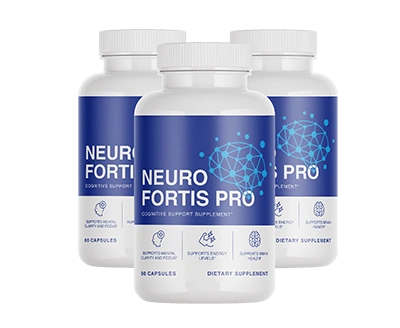
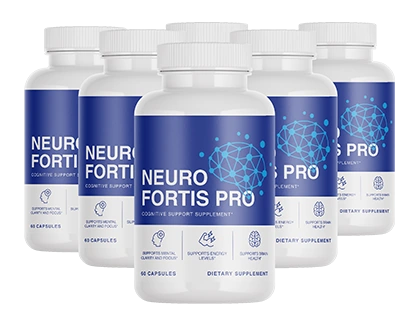
Neuro Fortis Pro names every active on its Supplement Facts panel, though the amounts sit inside a proprietary blend rather than being split out one by one. The six-bottle bundle is the best value at $49 per bottle, with free U.S. shipping and a 60-day guarantee.
Check today’s Neuro Fortis Pro pricing — from $49/bottleWhich manufacturing standards signal a quality nootropic?
Manufacturing standards tell you whether what is printed on the label is actually what ends up in the capsule. In the United States, supplements are not pre-approved by the FDA the way drugs are, so the burden of consistency falls on the maker. The signals worth checking are an FDA-registered facility, Good Manufacturing Practices (GMP), a stated country of manufacture, and testing for purity and contaminants. NCCIH’s cognitive-health summary is a reminder that manufacturing quality and evidence of benefit are two different questions (NCCIH — Cognitive Health).
| Standard | What it means | Why it matters |
|---|---|---|
| FDA-registered facility | The manufacturing site is registered with the FDA | Subject to inspection and record-keeping rules |
| GMP certified | Follows Good Manufacturing Practices | Controls identity, strength and cleanliness batch to batch |
| Made in the USA | Country of manufacture is disclosed | Traceable supply chain and oversight |
| Purity testing | Checks for contaminants and correct dose | Confirms the label matches the capsule |
Neuro Fortis Pro states that it is made in the USA in an FDA-registered facility that follows GMP standards, and its bottle carries the usual quality marks — non-GMO, gluten-free and vegetarian among them. See how those standards line up with the formula in the ingredients section.
What ingredients belong in a well-built nootropic?
A well-built nootropic leans on ingredients with a genuine research or traditional-use history, dosed at levels that reflect that evidence, rather than whatever is trending. Below are the actives you will see most often, with a note on each. These describe traditional and general use, and the strength of the evidence varies by ingredient. Bacopa is the benchmark, with randomised trials of standardised extract behind it (Kumar N et al., Evid Based Complement Alternat Med 2016); our overview of brain health supplements covers what else sits on that shelf.
| Ingredient | Why it is on the label | Evidence note |
|---|---|---|
| Bacopa monnieri | Ayurvedic herb for memory and learning support | Among the better-studied nootropic botanicals |
| Lion’s mane | Culinary mushroom popular for focus | Promising but still early-stage research |
| Ginkgo biloba | Traditional herb for circulation and sharpness | Mixed results; widely studied |
| Green tea extract | Polyphenols plus calming L-theanine | Studied for attention and working memory |
| Grape seed extract | Rich source of antioxidant proanthocyanidins | Antioxidant role; cognitive data limited |
| Huperzine A | Plant compound used in small amounts | Used in micrograms; check the dose carefully |
For a deeper look, read our companion guide to bacopa, lion’s mane and huperzine A, or the piece on ginkgo biloba for memory and focus. Notice the honesty in the evidence column: a trustworthy resource tells you where the science is strong and where it is still thin.
How does Neuro Fortis Pro’s panel measure up?
Neuro Fortis Pro is built to pass the same label checks this guide recommends, which is why we use it as the example. It lists each active by name on its Supplement Facts panel — bacopa, lion’s mane, ginkgo, green tea and grape seed extract, with huperzine A — but the amounts are declared as a proprietary blend rather than milligram by milligram, which is the one box in this checklist it does not tick, and we say so plainly rather than pretend otherwise. The serving is a single daily capsule, the manufacturing is stated as USA-made in an FDA-registered, GMP facility, and the claims stay within supporting memory and focus alongside the FDA disclaimer.
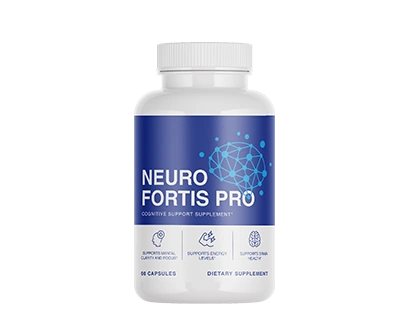
To compare it against the checklist yourself, our full Neuro Fortis Pro review walks through the panel line by line, and the natural memory-and-focus guide shows where a supplement fits among daily habits.
What are the red flags to avoid?
The clearest red flag on a nootropic label is any promise to treat, cure or prevent a disease — language that is both against the rules and a sign the marketing has outrun the evidence. Others share that theme of hiding or overreaching: doses buried in a blend, no facility or country of manufacture, four-plus-capsule servings that inflate the ingredient math, and miracle timelines. When a label leans on urgency and superlatives instead of numbers, assume the numbers would not flatter it.
See the exact dose in Neuro Fortis Pro →
When should you talk to a doctor?
A supplement label can be honest and well built and still not be right for you, so a quick check with a professional matters. Speak with your doctor before starting any nootropic if you are pregnant or nursing, under 18, take medication, have a diagnosed condition, or notice sudden changes in memory, mood or thinking. Nootropics support a healthy mind; they do not replace medical care.
Frequently asked questions
What should you look for first on a nootropic label?
Look first at the Supplement Facts panel, not the marketing on the front. You want named, standardized ingredients with the milligram amount printed beside each one, a serving size you can realistically keep to, and a short “Other ingredients” line. If the actives are hidden inside a single proprietary-blend number, you cannot tell whether any of them is dosed usefully.
What does a transparent nootropic label look like?
A transparent label lists every active ingredient by name, states the extract standardization where relevant, and shows the exact milligram amount per serving rather than folding them into a blend. It also names the plant part or form, gives a clear serving size, and carries the FDA dietary-supplement disclaimer. Neuro Fortis Pro follows this open-panel format.
Are proprietary blends a red flag?
Not always, but they hide information. A proprietary blend lists several ingredients under one combined weight, so you cannot see how much of each you are getting. Because dose is what separates a studied ingredient from a token sprinkle, a fully disclosed panel is more trustworthy than a large, undifferentiated blend.
What manufacturing standards matter for a quality nootropic?
Look for production in an FDA-registered facility that follows Good Manufacturing Practices (GMP), a stated country of manufacture, and third-party or in-house testing for identity, purity and contaminants. These standards do not prove a product works, but they show the maker takes consistency and safety seriously.
Does Neuro Fortis Pro disclose its doses?
Only in part, and it is fair to say so. Neuro Fortis Pro names each active — bacopa, lion’s mane, ginkgo, green tea and grape seed extract with huperzine A — on its Supplement Facts panel, but the amounts are declared as a proprietary blend, so individual milligram figures are not printed. The label does state that it is made in the USA in an FDA-registered, GMP facility. You can read the panel as transcribed in the ingredients section on the homepage.
Can a good label guarantee a nootropic will work?
No. A clear, well-dosed, GMP-made label tells you the product is honest and well built, but no supplement is a treatment for any condition and individual results vary. A good label improves your odds; it is not a promise, and anyone on medication should check with a doctor first.
Try Neuro Fortis Pro risk-free for 60 days →
Neuro Fortis Pro is a dietary supplement, not a treatment for any medical condition. These statements have not been evaluated by the Food and Drug Administration. This product is not intended to diagnose, treat, cure or prevent any disease. Always consult a qualified healthcare professional about your individual needs.
References & further reading
- U.S. Food & Drug Administration. Dietary Supplements. fda.gov/food/dietary-supplements
- National Institutes of Health, Office of Dietary Supplements. Dietary Supplements: What You Need to Know. NIH Office of Dietary Supplements — What You Need To Know
- National Center for Complementary and Integrative Health (NCCIH). Cognitive Health. NCCIH — Cognitive Health
- Kumar N, et al. Standardized Bacopa monnieri and cognitive function. (PMC5075615) Kumar N et al., Evid Based Complement Alternat Med 2016 (PMC5075615)
- Examine.com. Bacopa monnieri — evidence-based summary. examine.com/supplements/bacopa-monnieri
- Mayo Clinic. Memory loss: When to seek help. mayoclinic.org/diseases-conditions/memory-loss
These references describe the ingredients, standards and habits in general terms and do not constitute evidence that any product treats, cures or prevents any condition.