Brain health supplements explained: where Neuro Fortis Pro fits
Brain health supplements are dietary products — capsules, powders or gummies — that combine vitamins, minerals or plant extracts intended to support everyday memory, focus and mental clarity in healthy adults. They are food supplements rather than medicines, they are designed to complement good habits rather than replace them, and their evidence ranges from strong to preliminary depending on the exact ingredient.
What the brain-health supplement category is, and what to expect from it.
- What they are
- Food supplements that pair nutrients or botanicals to support normal memory, attention and mental clarity — not drugs, and not a cure for any condition.
- What to expect
- Gentle, gradual support layered onto sleep, movement and diet — not an overnight transformation.
- What to check
- Named, standardized ingredients with clear doses, GMP manufacturing and honest, non-medical claims.
- Where Neuro Fortis Pro sits
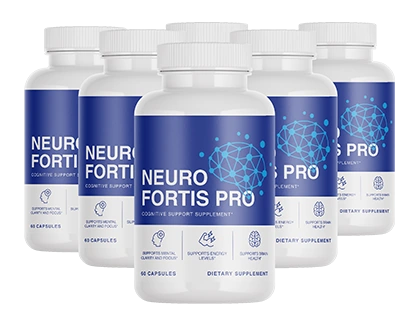
- In the everyday cognitive-support tier: one daily capsule pairing bacopa and lion’s mane with a nootropic botanical blend.
Walk down any wellness aisle and you will find a shelf devoted to the mind, and with it a fair amount of hype. This guide explains what a brain health supplement actually is, which ingredients have real research behind them, how to read a label without being fooled, and where a once-daily blend like Neuro Fortis Pro honestly fits.
What exactly counts as a brain health supplement?
A brain health supplement is a dietary product formulated to support the normal function of a healthy brain — memory, concentration, processing speed and mood steadiness — using nutrients, botanicals or both. The word “supplement” is doing real work here: legally and practically, these are foods, not medicines. They are not tested or approved the way a drug is, they cannot claim to treat a disease, and they are meant to add to a foundation of good habits rather than stand in for one. Within that definition sits a huge range, from a single-nutrient omega-3 capsule to a multi-ingredient nootropic blend. NCCIH’s overview of dietary and herbal supplements explains how the category is regulated and what that means for the label (NCCIH — Dietary and Herbal Supplements).
How do they differ from “nootropics”?
“Nootropic” is an umbrella term for anything — food, drink or supplement — taken to support cognition. Every brain health supplement is a nootropic, but not every nootropic is a supplement: a cup of coffee counts too. Marketing uses the words interchangeably, so treat them as the same shelf and judge each product by its actual ingredients.
Why do people take cognitive support supplements?
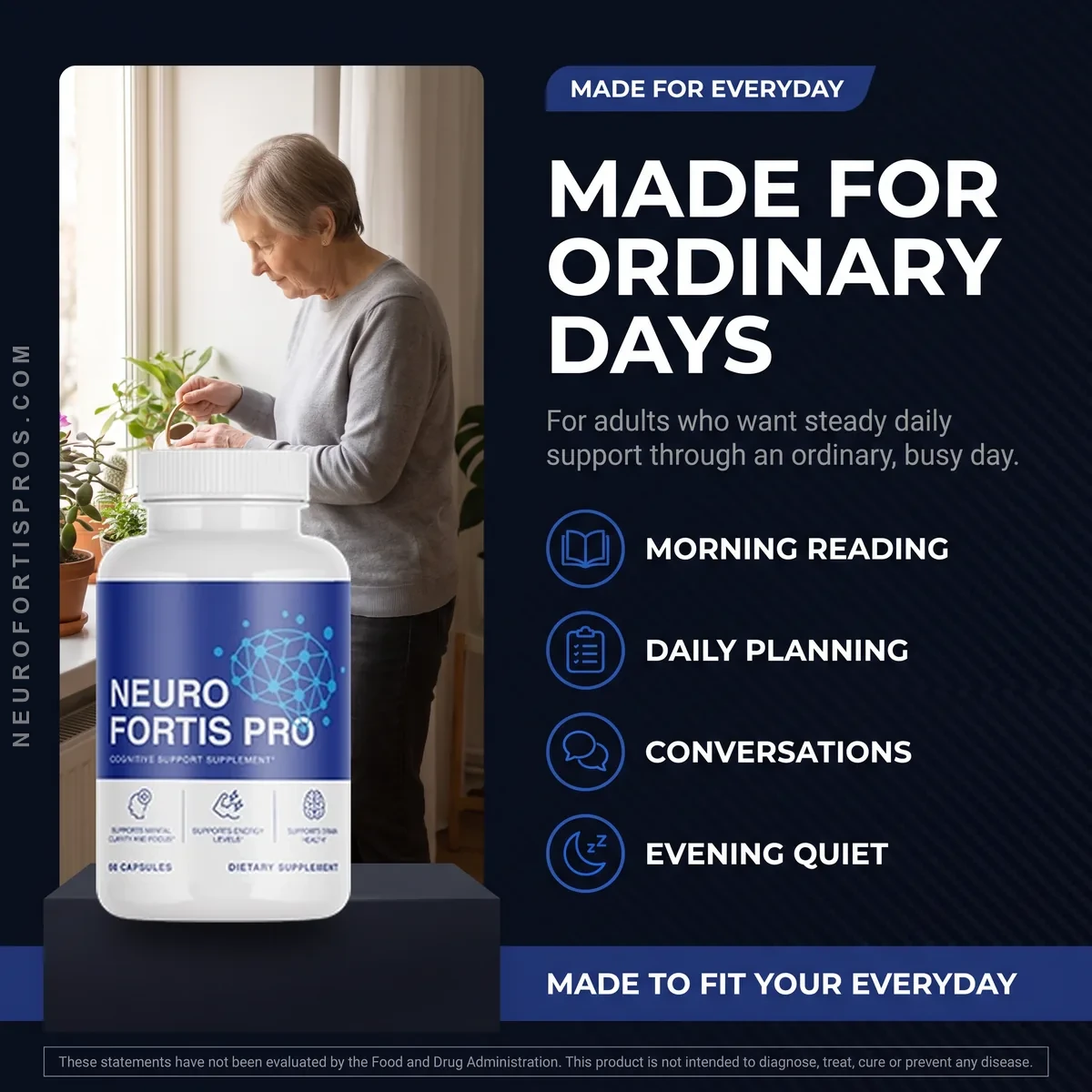
People reach for a cognitive support supplement when they want steadier attention and more reliable recall through an ordinary day, and feel diet, sleep and exercise alone leave a gap. The most common reasons are age-related: many adults notice names, dates and to-do items slip more easily after their forties and want to be proactive. Others chase focus for demanding work or study. Crucially, the honest goal is support for a healthy mind, not a fix for a medical problem — anyone worried about genuine memory loss should see a doctor, not a supplement aisle.
Which ingredients have the most evidence behind them?
The strength of the evidence behind brain health supplements varies enormously by ingredient, so the smartest move is to look past the brand and read the formula. Some botanicals have a genuine body of human research; others are promising but studied mainly in the lab. The table below is a plain-English snapshot of the most common ingredients and how solid the case for each currently is. A systematic review of supplement ingredients for cognitive performance in healthy adults reached the same uneven verdict (Crawford C et al., J Altern Complement Med 2021); our honest look at whether nootropics really work works through the same question from the buyer’s side.
| Ingredient | What it is | Evidence for everyday support |
|---|---|---|
| Bacopa monnieri | Ayurvedic herb | Among the better-studied botanicals; several trials link daily use to memory and learning support. |
| Ginkgo biloba | Traditional tree extract | Long history and a moderate research base for circulation and everyday mental sharpness; results are mixed. |
| Lion’s mane | Culinary mushroom | Popular and promising, but human evidence is still early and preliminary. |
| Green tea (L-theanine) | Polyphenol & amino acid | Reasonable support for calm, focused attention, especially paired with caffeine. |
| Omega-3 (DHA) | Fatty acid | Well studied as a structural nutrient for the brain; strongest in those with low dietary intake. |
| Huperzine A | Plant-derived compound | Studied for its role in acetylcholine; used in small amounts, warrants caution and professional advice. |
For a deeper look at three of these, read our companion guide to bacopa, lion’s mane and huperzine A, or see how food and supplements overlap in the best foods and nutrients for brain health.
See the exact dose in Neuro Fortis Pro →
How do you read a brain supplement label without being fooled?
Reading a brain supplement label well means checking the amounts, the transparency and the claims — in that order — before you look at the price. Marketing lives on the front of the bottle; the truth lives on the back.
1. Look for named, standardized ingredients with real doses
A trustworthy label names each active ingredient, states how much is in a serving, and where relevant gives a standardization (for example, a bacopa extract standardized to a set percentage of bacosides). Amounts hidden inside a “proprietary blend” are a red flag, because you cannot tell whether an ingredient is present at a meaningful level or just a sprinkle for the label. Our line-by-line walkthrough of what to look for in a nootropic supplement shows what a good panel looks like.
2. Prefer a short, transparent formula
More ingredients is not the same as more benefit. A focused blend of a few well-chosen actives at sensible doses is usually more honest than a “kitchen-sink” list of twenty exotic names at trace amounts. Transparency — and manufacturing under Good Manufacturing Practice (GMP) standards — matters more than a long ingredient count.

3. Be suspicious of medical or overnight claims
By law and by common sense, a supplement cannot cure, treat or reverse a disease. Phrases like “reverses memory loss,” “clinically proven cure” or “genius in a bottle” are marketing, not medicine. Honest products talk about supporting normal function and are upfront that individual results vary. If a claim sounds too good to be true, it is. The National Institute on Aging addresses the specific claim head-on (National Institute on Aging — Can Vitamins or Supplements Prevent Memory Loss or Dementia?).
A transparent, once-daily option
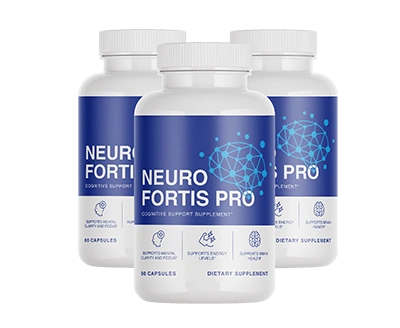
Neuro Fortis Pro lists its actives openly — bacopa, lion’s mane, ginkgo, green tea and grape seed extract with huperzine A — in one daily capsule, made in a GMP-registered facility. The 3- and 6-bottle bundles suit the multi-week window botanicals need.
Check today’s Neuro Fortis Pro pricing — from $49/bottleWhat can you realistically expect — and how fast?
Realistic expectations separate a supplement that feels worthwhile from one that disappoints. Brain health supplements offer gentle, cumulative support, not a switch you flip. Stimulant-adjacent ingredients like caffeine or L-theanine can shift how focused you feel within an hour, but the botanicals most brain formulas are built around — bacopa especially — build support gradually over weeks. The table below sets rough expectations.
| Ingredient type | Typical time to notice | What to expect |
|---|---|---|
| L-theanine / caffeine | Within an hour | A noticeable lift in calm, focused attention that fades the same day. |
| Omega-3 (DHA) | Weeks to months | Structural, background support rather than a felt effect. |
| Bacopa monnieri | 8–12 weeks | Gradual support for memory and learning with consistent daily use. |
| Ginkgo biloba | Several weeks | Subtle, variable support for everyday sharpness; results differ. |
| Whole formula (daily) | 2–3 months | Give any blend a fair, consistent trial before judging it. |
This is why a multi-month supply is the norm rather than a single bottle: running out at week three means never reaching the window where botanicals do their quiet work. You can compare the packages and pricing on the homepage.
Where does a blend like Neuro Fortis Pro sit in the category?
Neuro Fortis Pro sits in the everyday cognitive-support tier of the category: a once-daily capsule for healthy adults who want to layer gentle support onto good habits. Rather than isolating one nutrient, it pairs two of the more researched botanicals — bacopa and lion’s mane — with ginkgo, green tea and grape seed extract, plus a small amount of huperzine A. It is not a medicine, a stimulant energy pill or a claimed cure; it is a transparent, GMP-made blend meant to be taken consistently. Our Neuro Fortis Pro review covers the formula, dose and value in full.

Who should be careful — and when to ask a doctor
Brain health supplements are for supporting a healthy mind, not for diagnosing or treating a problem, so some people should check first. Speak with your doctor before starting any brain supplement if you are pregnant or nursing, under 18, take prescription medication (some botanicals, including ginkgo and huperzine A, can interact with drugs), have a diagnosed condition, or notice persistent, sudden or worsening changes in memory, mood or thinking. A short conversation ensures anything you add fits safely with the rest of your care.
Frequently asked questions
What are brain health supplements?
Brain health supplements are dietary products that combine vitamins, minerals or plant extracts intended to support everyday memory, focus and mental clarity in healthy adults. They are food supplements, not medicines, and are meant to complement good habits rather than treat any disease.
Do cognitive support supplements actually work?
Evidence varies by ingredient. Some botanicals such as bacopa monnieri and ginkgo have a reasonable body of research for everyday cognitive support, while others are studied mainly in the lab. A supplement works best as one layer on top of sleep, movement and whole-food nutrition, and results differ from person to person.
What should I look for on a brain supplement label?
Look for named, standardized ingredients with clear amounts, a short and transparent formula rather than a hidden proprietary blend, third-party or GMP manufacturing, and honest claims. Avoid products that promise a cure, a diagnosis or overnight genius.
Where does Neuro Fortis Pro fit in the category?
Neuro Fortis Pro is a once-daily capsule that pairs bacopa and lion’s mane with ginkgo, green tea and grape seed extract plus huperzine A. It sits in the everyday cognitive-support tier, designed to be layered onto healthy habits rather than to replace medical care.
Are brain health supplements safe?
For most healthy adults, well-formulated supplements from reputable makers are generally well tolerated, but they are not risk-free. Anyone who is pregnant or nursing, under 18, taking medication or managing a health condition should speak with a doctor before starting, because some botanicals can interact with drugs.
How long before a brain supplement might help?
Botanicals such as bacopa typically build their support gradually over several weeks of daily use rather than working within hours. Most people give a formula at least eight to twelve weeks of consistent use, alongside good habits, before judging it. Individual results vary.
Try Neuro Fortis Pro risk-free for 60 days →
Neuro Fortis Pro is a dietary supplement, not a treatment for any medical condition. These statements have not been evaluated by the Food and Drug Administration. This product is not intended to diagnose, treat, cure or prevent any disease. Always consult a qualified healthcare professional about your individual needs.
References & further reading
- National Center for Complementary and Integrative Health (NCCIH). Cognitive Health. NCCIH — Cognitive Health
- National Center for Complementary and Integrative Health (NCCIH). Dietary and Herbal Supplements. NCCIH — Dietary and Herbal Supplements
- National Institute on Aging (NIH). Can Vitamins or Supplements Prevent Memory Loss or Dementia? nia.nih.gov/health/brain-health
- Kumar N, et al. Standardized Bacopa monnieri and cognitive function. (PMC5075615) Kumar N et al., Evid Based Complement Alternat Med 2016 (PMC5075615)
- Mayo Clinic. Memory loss: When to seek help. mayoclinic.org/diseases-conditions/memory-loss
- Examine.com. Bacopa monnieri — evidence-based summary. examine.com/supplements/bacopa-monnieri
These references describe the ingredients and habits in general terms and do not constitute evidence that any product treats, cures or prevents any condition.