Bacopa vs Ginkgo Biloba for Memory: The Neuro Fortis Pro Comparison
Bacopa vs ginkgo biloba is not really a contest, because the two herbs do different jobs: bacopa is an Ayurvedic tonic traditionally taken daily to support learning and steady recall over weeks, while ginkgo is a circulation-focused herb used for everyday mental sharpness. Understanding how they differ is the fastest way to decide whether you want one, the other, or — as in Neuro Fortis Pro — both together.
Bacopa or ginkgo — which should you choose for memory?
- The honest answer
- Neither is universally “better.” They have different traditional roles, so the useful question is which fits your goal — or whether to use both.
- Bacopa in a line
- A slow, cumulative Ayurvedic herb for daily learning and memory support, usually taken for eight to twelve weeks.
- Ginkgo in a line
- A traditional herb valued for supporting healthy circulation and everyday alertness.
- Why not both
- Their roles complement rather than duplicate each other, which is why Neuro Fortis Pro includes both in one capsule.
Walk into any supplement aisle and you will find bacopa and ginkgo sitting side by side, often marketed for the same thing: a sharper memory. That framing hides the more interesting truth — they come from different traditions, are studied for different reasons, and feel different in use. This guide compares them fairly, flags where the evidence is thin, and explains why a formula like Neuro Fortis Pro pairs them instead of picking a winner.
What is the difference between bacopa and ginkgo biloba?
The core difference is mechanism and tradition: bacopa monnieri is an Ayurvedic brain tonic taken daily to build memory and learning support gradually, while ginkgo biloba is a Traditional Chinese Medicine herb valued for supporting blood flow to the brain. One is about cumulative, weeks-long adaptation; the other is about circulation and day-to-day sharpness. They are not interchangeable, and comparing them like-for-like — as if choosing one soda over another — misreads what each herb is actually for.
What is bacopa monnieri, and how is it used?
Bacopa monnieri is a creeping marsh herb that has been used in Ayurvedic medicine for centuries as a medhya rasayana — a category of plants traditionally taken to support intellect and memory. It is one of the most-studied botanicals in the everyday cognitive-wellness space. Modern trials of standardised extract, such as the six-week study in medical students, test that same learning-and-recall role (Kumar N et al., Evid Based Complement Alternat Med 2016).
Why is bacopa called a “slow” herb?
Bacopa is described as slow because its traditional and studied use is cumulative rather than immediate. Most clinical trials run it daily for eight to twelve weeks before assessing memory and recall outcomes, and researchers attribute its interest to compounds called bacosides plus its antioxidant activity. You do not take bacopa for a single afternoon of focus; you take it steadily and let the support build. The pooled randomised evidence uses courses of about twelve weeks (Kongkeaw C et al., J Ethnopharmacol 2014); our fuller guide to bacopa monnieri benefits and dosage explains what those trials measured.
What does bacopa feel like day to day?
Because it works gradually, bacopa rarely produces a sharp, noticeable “kick.” People who use it tend to describe a steadier sense of recall over weeks rather than an acute lift. Some experience mild digestive upset, which is why it is traditionally taken with food — a habit that also makes a once-daily capsule easy to remember.
What is ginkgo biloba, and how is it used?
Ginkgo biloba is one of the oldest tree species on Earth, and its leaf extract has been used in Traditional Chinese Medicine for generations, valued for supporting healthy circulation. In modern nootropic blends it is included mainly for that circulatory angle — the idea that supporting blood flow supports the brain that the blood feeds.

What is ginkgo actually studied for?
Ginkgo is studied for circulation and for age-related cognitive wellness, and its standardized leaf extracts are among the most researched herbal products in the world. It is important to be honest here: large reviews, including work summarized by the NCCIH, have found the evidence for ginkgo improving memory in healthy adults to be mixed and often unconvincing. That does not make it useless — its antioxidant flavonoids and long tradition keep it in the conversation — but it does mean the marketing sometimes runs ahead of the data. The evidence is genuinely uneven: a Cochrane systematic review of ginkgo for cognitive impairment and dementia found it inconsistent and unreliable (Wieland LS et al., Cochrane Database Syst Rev 2026).
Who should be cautious with ginkgo?
Ginkgo may have a mild blood-thinning effect, so anyone taking anticoagulant or antiplatelet medication, anyone with a bleeding disorder, and anyone scheduled for surgery should be cautious and speak with a doctor first. This is the single most important safety difference between the two herbs, and it is why a responsible formula keeps ginkgo at a sensible standardized dose rather than a mega-dose.
Bacopa vs ginkgo: how do they compare side by side?
A side-by-side view makes the complementary picture obvious — these herbs line up on almost opposite ends of “fast vs cumulative” and “adaptation vs circulation.” The table below summarizes the practical differences that matter when you are choosing.
| Feature | Bacopa monnieri | Ginkgo biloba |
|---|---|---|
| Tradition | Ayurvedic (India) | Traditional Chinese Medicine |
| Traditional focus | Learning, memory, recall | Circulation, everyday alertness |
| How it is used | Daily, cumulative over weeks | Daily, more day-to-day feel |
| Key compounds | Bacosides, antioxidants | Flavonoids, terpenoids |
| Typical time to notice | 8–12 weeks | Variable; evidence mixed |
| Main caution | Mild digestive upset | May thin blood; drug interactions |
See the exact dose of both in Neuro Fortis Pro →
Should you take bacopa or ginkgo — or both?
Whether to take bacopa or ginkgo depends on your goal, but for most people interested in general memory and focus support, the two are more useful together than apart. If your interest is cumulative learning and recall, bacopa is the classic choice. If it is everyday sharpness tied to circulation, ginkgo is the traditional pick. Because those roles do not overlap, combining them covers more ground than doubling down on either one.
That is exactly the logic behind pairing them in a blend. Rather than buying two separate bottles, guessing at doses, and remembering to take both, a single formula standardizes the amounts and the timing. For a broader look at how these fit a daily plan, see our guide to improving memory and focus naturally, or the deep dive on ginkgo biloba for memory and focus.
Get both herbs in one capsule
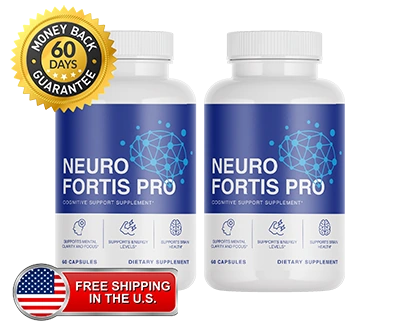
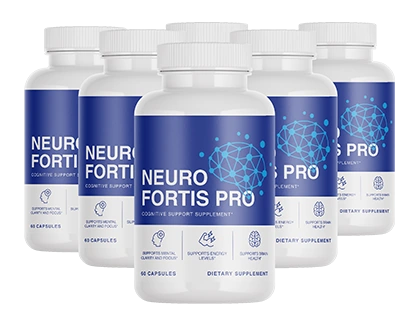
Neuro Fortis Pro pairs bacopa and ginkgo with lion’s mane, green tea and grape seed extract in a once-daily capsule. The six-bottle bundle is the best value at $49 per bottle, with free U.S. shipping and a 60-day guarantee.
Check today’s Neuro Fortis Pro pricing — from $49/bottleWhy does Neuro Fortis Pro include both bacopa and ginkgo?
Neuro Fortis Pro includes both bacopa and ginkgo because their traditional roles are complementary, not redundant — and because the wider brain-health conversation rewards a stacked blend over a single hero ingredient. Bacopa brings the cumulative learning-and-recall tradition; ginkgo brings the circulation angle; and the rest of the formula layers in antioxidants and other well-known nootropic botanicals. The table below shows how each piece fits.
| Ingredient in Neuro Fortis Pro | What it contributes |
|---|---|
| Bacopa monnieri | Cumulative learning and memory tradition |
| Ginkgo biloba | Circulation and everyday alertness tradition |
| Lion’s mane | Culinary mushroom popular in modern nootropics |
| Green tea extract | Polyphenol antioxidants plus calming L-theanine |
| Grape seed extract | Rich source of proanthocyanidin antioxidants |
| Huperzine A | Traditional botanical extract used in cognitive blends |
For the full ingredient-by-ingredient breakdown, read our guide to bacopa, lion’s mane and huperzine A, or see the complete ingredients section on the homepage.

How do you take bacopa and ginkgo safely?
The safe way to use bacopa and ginkgo is at sensible, standardized doses, taken with food, and only after checking they fit your personal health picture. Both have long histories of traditional use and are generally well tolerated by healthy adults, but they are not risk-free. Bacopa can cause mild stomach upset in some people; ginkgo may thin the blood and interact with certain medications. Neither is a treatment for any medical condition, and neither replaces the habits — sleep, movement, whole foods, focused attention — that do the heaviest lifting for memory.
When should you talk to a doctor?
Talk to your doctor before starting bacopa or ginkgo if you are pregnant or nursing, under 18, take any medication — especially blood thinners — have a diagnosed condition, or have surgery scheduled. Ginkgo’s potential to affect bleeding makes this conversation genuinely important rather than a formality. A brief check ensures anything you add fits safely alongside your existing care.
Frequently asked questions
Is bacopa or ginkgo better for memory?
Neither is universally better; they work differently. Bacopa is an Ayurvedic herb traditionally taken daily to support learning and steady recall over weeks, while ginkgo is used to support healthy circulation and everyday mental sharpness. Because their traditional roles complement each other, many modern formulas include both rather than choosing one.
Can you take bacopa and ginkgo biloba together?
Bacopa and ginkgo are commonly combined in nootropic blends and are generally well tolerated in healthy adults. Because ginkgo may interact with blood thinners and some medications, anyone taking prescription drugs, pregnant or nursing should ask a doctor before combining them.
How long does bacopa take to work compared with ginkgo?
Bacopa is traditionally a slow, cumulative herb, with most studies running eight to twelve weeks of daily use. Ginkgo is often described as having a more day-to-day feel tied to circulation, but neither is an instant fix and individual results vary.
Does Neuro Fortis Pro contain both bacopa and ginkgo?
Yes. Neuro Fortis Pro pairs bacopa monnieri and ginkgo biloba in one daily capsule alongside lion’s mane, green tea and grape seed extract with huperzine A, so you get the complementary traditional roles of both herbs without buying two products.
Are bacopa and ginkgo safe?
Both have long histories of traditional use and are generally well tolerated in healthy adults. Bacopa can cause mild digestive upset in some people, and ginkgo may thin the blood, so they are not for everyone. They are supplements, not treatments, and a doctor should be consulted before use if you have a condition or take medication.
Do I still need habits if I take bacopa and ginkgo?
Yes. Herbs support a routine; they do not replace it. Sleep, movement, whole foods and focused attention remain the biggest levers for memory and focus, and bacopa and ginkgo are best viewed as a gradual support layered on top of those habits.
Try Neuro Fortis Pro risk-free for 60 days →
Neuro Fortis Pro is a dietary supplement, not a treatment for any medical condition. These statements have not been evaluated by the Food and Drug Administration. This product is not intended to diagnose, treat, cure or prevent any disease. Always consult a qualified healthcare professional about your individual needs.
References & further reading
- National Center for Complementary and Integrative Health (NCCIH). Ginkgo. NCCIH — Ginkgo
- National Center for Complementary and Integrative Health (NCCIH). Cognitive Health. NCCIH — Cognitive Health
- Kongkeaw C, et al. Meta-analysis of randomized controlled trials on Bacopa monnieri extract and cognition. J Ethnopharmacol, 2014. Kongkeaw C et al., J Ethnopharmacol 2014 (PMID 24252493)
- Kumar N, et al. Standardized Bacopa monnieri extract and cognitive function. (PMC5075615) Kumar N et al., Evid Based Complement Alternat Med 2016 (PMC5075615)
- Examine.com. Ginkgo biloba — evidence-based summary. examine.com/supplements/ginkgo-biloba
- Examine.com. Bacopa monnieri — evidence-based summary. examine.com/supplements/bacopa-monnieri
These references describe the ingredients and habits in general terms and do not constitute evidence that any product treats, cures or prevents any condition.