Green tea extract for brain and focus: how it works in Neuro Fortis Pro
Green tea extract for the brain is a concentrated dose of the polyphenols and L-theanine found in the tea leaf Camellia sinensis, studied for its potential to support working memory, steady attention and everyday antioxidant defence. The evidence is early and supportive rather than proof of any cure, which is why it belongs in a healthy routine — and in a nootropic blend like Neuro Fortis Pro — as a support, not a treatment.
Is green tea extract good for the brain? Here is the honest short version.
- What it is
- A standardised extract of green tea leaf rich in catechin polyphenols — chiefly EGCG — plus the calming amino acid L-theanine.
- Why it is studied
- Its antioxidants and L-theanine are researched for working memory, calm focus and protecting active brain cells from everyday oxidative stress.
- What the evidence shows
- Early human and imaging studies are encouraging, but small; green tea extract supports a healthy mind, it does not treat any disease.
- Where it fits
- It is one botanical inside the Neuro Fortis Pro capsule, working alongside bacopa, lion’s mane, ginkgo and grape seed.
Few plants have been part of the wellness conversation as long as the green tea leaf, and few ingredients turn up as reliably in modern nootropic formulas. This deep-dive looks at what green tea extract actually is, what EGCG does, and what the research says about green tea working memory effects — then shows exactly how it sits inside Neuro Fortis Pro. We keep the claims honest and flag where the science is still thin.
What is green tea extract, and why is it studied for the brain?
Green tea extract is a concentrated preparation of the leaf of Camellia sinensis, standardised so each dose delivers a predictable amount of the plant’s active compounds. Where a cup of brewed tea varies with leaf, water and steeping time, an extract fixes the polyphenol content into a consistent daily amount. Those polyphenols — a family of catechins led by epigallocatechin gallate, or EGCG — are among the most-studied plant antioxidants in nutrition science, and the leaf’s naturally paired amino acid, L-theanine, adds a distinctive calm-focus quality that pure caffeine does not have.
The brain is an unusually demanding organ: it burns a large share of the body’s energy and, because of that high activity, generates a steady stream of oxidative by-products. Antioxidant-rich compounds are studied for their role in buffering that everyday wear-and-tear, which is why Camellia sinensis focus research and green tea polyphenols appear so often in the cognitive-wellness literature. That metabolic demand is exactly why the brain is unusually susceptible to oxidative stress (Cobley JN et al., Redox Biol 2018).
What is EGCG, and how might it reach the brain?
EGCG is the most abundant catechin in green tea and the compound most responsible for the leaf’s antioxidant reputation. In laboratory and animal models it behaves as a potent free-radical scavenger, and researchers have explored whether the green tea EGCG brain relationship extends to protecting neurons from oxidative stress. It is an active and genuinely interesting area — but an honest summary has to stress that most of this work is preclinical, and that human brain outcomes are still being mapped. A systematic review of green tea and human brain function judged its effects on cognition and mood plausible and worth further study (Mancini E et al., Phytomedicine 2017).
Does EGCG cross into the brain?
A fair question, because an antioxidant only helps the brain if it can reach it. Studies suggest EGCG can cross the blood–brain barrier in small amounts, which is part of why it is investigated for central effects rather than only peripheral ones. How much reaches the brain in everyday use, and what that means for memory, is not yet settled — a good example of promising-but-early science.
Is EGCG the same as caffeine?
No. Green tea does contain some naturally occurring caffeine, but EGCG is a separate polyphenol with its own antioxidant activity. The leaf’s effect on focus comes from the interplay of modest caffeine, L-theanine and catechins together — a combination many people describe as alertness without the jitter of coffee.
What does the research say about green tea and working memory?
The most-cited human evidence for a direct cognitive effect is a small brain-imaging study in which green tea extract increased functional connectivity in a region linked to working memory while participants performed a task, alongside a measurable improvement in performance. It is a compelling result and a genuine reason the ingredient earns its place — but it is one modest study, and it demonstrates a supportive effect on a healthy process, not a treatment for any condition. That study reported increased parieto-frontal connectivity during a working-memory task after green tea extract (Schmidt A et al., Psychopharmacology 2014).
| Compound in green tea extract | What research explores | Honest status of evidence |
|---|---|---|
| EGCG (catechin) | Antioxidant defence for active brain cells | Strong lab data; human brain outcomes still early |
| L-theanine | Calm, focused attention; smoothing caffeine | Reasonable human evidence for relaxed alertness |
| Total polyphenols | Working-memory connectivity and performance | One promising imaging study; needs replication |
| Natural caffeine | Short-term alertness and reaction time | Well established, but modest amounts in extract |
Read together, the table tells a consistent story: green tea extract has real, mechanistically plausible reasons to support a sharp mind, and some encouraging early human data — while stopping well short of anything that could be called a cognitive cure.

See the exact dose in Neuro Fortis Pro
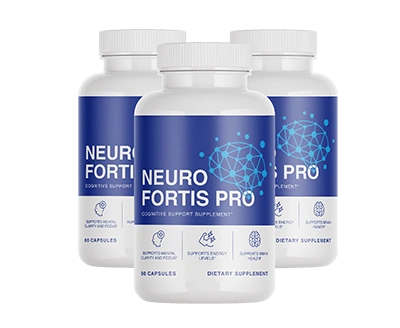
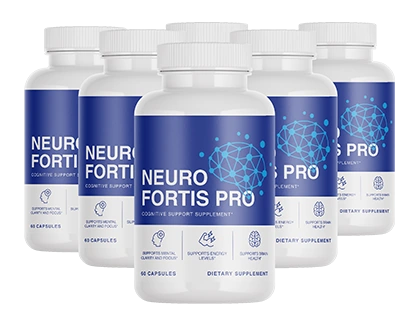
Neuro Fortis Pro folds standardised green tea extract into a once-daily capsule with bacopa, lion’s mane, ginkgo and grape seed. The six-bottle bundle is the best value at $49 per bottle, with free U.S. shipping and a 60-day guarantee.
Check today’s Neuro Fortis Pro pricing — from $49/bottleHow does Camellia sinensis support calm, steady focus?
The Camellia sinensis focus effect comes largely from L-theanine, an amino acid almost unique to the tea plant. L-theanine is studied for promoting a relaxed-but-alert state, and when it is paired with the leaf’s naturally modest caffeine, many people report attention that feels steadier and less spiky than coffee. That pairing is exactly why tea has been the drink of scholars and contemplatives for centuries — and why the extract is prized in nootropic blends aimed at everyday concentration. Our dedicated guide to L-theanine for calm focus covers what the amino acid does on its own and alongside caffeine.
Why an extract instead of a cup of tea?
An extract exists to solve a consistency problem. Brewed tea delivers a variable dose that shifts with the leaf, the water temperature and how long it steeps, and hitting a meaningful polyphenol intake can take several cups a day. A standardised green tea extract delivers a predictable amount in one capsule, without the caffeine load of drinking cup after cup — which is precisely why formulas standardise the leaf rather than assume you will brew it.

How does green tea extract fit into Neuro Fortis Pro?
Inside Neuro Fortis Pro, green tea extract is one member of a deliberately layered botanical team rather than a solo act. The formula’s logic is that different ingredients support the mind through different routes — memory, circulation, antioxidant defence and calm focus — so they complement one another in a single daily capsule. Green tea extract contributes the polyphenol-and-L-theanine angle; the others fill in their own. For the mushroom in that team, see whether lion’s mane works for focus.
| Ingredient in the blend | Its main angle | Works with green tea by… |
|---|---|---|
| Green tea extract | Polyphenol antioxidants + L-theanine calm focus | Anchoring the antioxidant and attention side |
| Bacopa monnieri | Traditional memory and learning support | Adding a memory-focused botanical |
| Lion’s mane | Culinary mushroom popular for cognition | Broadening the nootropic base |
| Ginkgo biloba | Healthy circulation and mental sharpness | Supporting blood flow to active tissue |
| Grape seed extract | Rich proanthocyanidin antioxidants | Reinforcing the antioxidant layer |
For the wider picture, our guide to bacopa, lion’s mane and huperzine A walks through the memory-focused members of the blend, and the best foods and nutrients for brain health shows how green tea sits among whole-food sources. You can also see the full ingredients section on the homepage.
How should you use green tea extract, and who should be cautious?
Green tea extract is best treated as a daily, consistent support rather than a one-off boost, because its antioxidant contribution builds gradually while its L-theanine effect is felt sooner. In Neuro Fortis Pro that means one capsule with a meal, at the same time each day, layered onto the habits that do the heavy lifting — sleep, movement, whole foods and focused attention.
Because green tea naturally contains some caffeine, anyone who is caffeine-sensitive, pregnant or nursing, under 18, taking medication, or managing a diagnosed condition should read the label and speak with a doctor first. A measured, standardised amount in a daily formula also makes more sense than guesswork with very high doses. As always, a supplement supports a healthy mind — it is not a treatment for any disease.

Frequently asked questions
Is green tea extract good for the brain?
Green tea extract is a concentrated source of polyphenol antioxidants and the amino acid L-theanine, which is why it is studied for working memory and steady attention. The evidence is early and supportive rather than proof of any treatment, so it is best seen as a support to good habits.
What does EGCG do in the brain?
EGCG is the most abundant catechin in green tea and a strong antioxidant. Laboratory and early human work suggests it may help protect brain cells from everyday oxidative stress, but human brain outcomes are still being studied and no medical claim can be made.
Does green tea improve working memory?
A small brain-imaging study found green tea extract increased connectivity in a region tied to working memory during a task, alongside better performance. It is one promising study, not settled proof, and individual results vary.
How is green tea extract different from drinking green tea?
An extract standardises the polyphenols and catechins into a consistent daily dose without the cups, caffeine load or steeping variability of brewed tea. That consistency is why Camellia sinensis appears as an extract in nootropic formulas like Neuro Fortis Pro.
Is green tea extract in Neuro Fortis Pro safe with caffeine?
Green tea extract contains some naturally occurring caffeine, so people sensitive to caffeine or on medication should read the label and ask a doctor. Neuro Fortis Pro is a once-daily capsule taken with a meal, and it is not a treatment for any condition.
How long before green tea extract helps focus?
The L-theanine and caffeine pairing can feel like calmer alertness within an hour, while the antioxidant support builds gradually over weeks. Because botanicals work best consistently, most people use a multi-month supply.
See the exact green tea dose in Neuro Fortis Pro →
Neuro Fortis Pro is a dietary supplement, not a treatment for any medical condition. These statements have not been evaluated by the Food and Drug Administration. This product is not intended to diagnose, treat, cure or prevent any disease. Always consult a qualified healthcare professional about your individual needs.
References & further reading
- Schmidt A, et al. Green tea extract enhances parieto-frontal connectivity during working memory processing. (PMC4159594) Schmidt A et al., Psychopharmacology 2014 (PMC4159594)
- Mancini E, et al. Green tea effects on cognition, mood and human brain function: a systematic review. Phytomedicine, 2017. Mancini E et al., Phytomedicine 2017 (PMID 28899506)
- National Center for Complementary and Integrative Health (NCCIH). Green Tea. NCCIH — Green Tea
- Examine.com. Green tea catechins — evidence-based summary. examine.com/supplements/green-tea-catechins
- Examine.com. L-theanine — evidence-based summary. examine.com/supplements/theanine
These references describe the ingredients and habits in general terms and do not constitute evidence that any product treats, cures or prevents any condition.