L-theanine for focus: the calm-clarity amino acid behind Neuro Fortis Pro
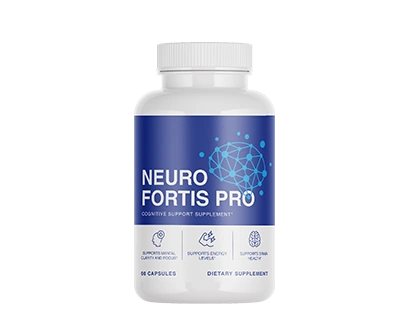
L-theanine is an amino acid found almost exclusively in tea, and it is prized for one particular feeling: calm, jitter-free attention. Unlike a stimulant that revs you up and lets you crash, L-theanine is associated with a relaxed-but-alert state — which is exactly why it rounds out the cognitive-support blend in Neuro Fortis Pro. It supports focus; it does not treat any condition.
What L-theanine does for focus, in one place.
- What it is
- A relaxing amino acid from tea leaves that supports a calm, wakeful kind of attention rather than a stimulant buzz.
- Best-known effect
- “Focus without the jitters” — most consistently seen when it is paired with caffeine, where it smooths the edges.
- Typical amount
- Research commonly uses about 100–200 mg; Neuro Fortis Pro supplies it within its green-tea component in one daily capsule.
- How fast
- The calm-focus feeling is often noticeable in 30–60 minutes; whole-blend benefits build with daily use.
- Honest caveat
- Evidence is encouraging for calm attention but modest overall; it is a supplement, not a treatment for any attention disorder.
If coffee makes you productive but also wired or a little anxious, you have felt the gap that L-theanine is famous for filling. It is the compound behind the old observation that a strong cup of green tea leaves you alert yet oddly composed. This guide explains what L-theanine is, why it is linked to calm focus, what the research honestly shows, and how it fits into Neuro Fortis Pro alongside bacopa, lion’s mane and ginkgo.
What is L-theanine, and why is it linked to calm focus?
L-theanine is a water-soluble amino acid found almost entirely in the leaves of the tea plant, Camellia sinensis, and in small amounts in a few mushrooms. It is not a vitamin or a mineral and it is not essential, meaning your body does not require it — but it is biologically active. Because it can cross the blood–brain barrier, researchers have long studied why a substance in an ordinary beverage seems to shift how the brain feels. A review of L-theanine as a natural constituent of tea describes the relaxed-but-alert state it is associated with (Nobre AC et al., Asia Pac J Clin Nutr 2008); our guide to green tea extract for the brain and focus covers the rest of the leaf.
The leading explanation is that L-theanine gently nudges several brain-signalling systems at once. It is associated with increases in alpha brain-wave activity — the electrical pattern linked to a state of “relaxed alertness,” the same one you see in calm, wakeful focus. It is also thought to influence calming neurotransmitters such as GABA and to modulate glutamate signalling. The practical upshot people describe is a quieter mental background, less internal noise, and an easier time settling into a task.
How does L-theanine create “focus without the jitters”?
The phrase “focus without the jitters” is really a description of what L-theanine does when it meets caffeine. On its own, caffeine is a pure stimulant: more alertness, but often more restlessness, a faster heartbeat and a harder edge. L-theanine appears to take the sharp corners off that stimulation while keeping the alertness — the reason the pairing has become one of the most popular stacks in the nootropic world.
What does the caffeine plus L-theanine combination do?
The caffeine–L-theanine combination is the most studied use of L-theanine for attention, and where the evidence is strongest. Controlled studies report that the pair can support faster, more accurate performance on demanding attention tasks and calmer alertness than caffeine alone. Green tea contains both compounds naturally, which is why it feels different from coffee even at similar caffeine levels. A randomised study of theanine, caffeine and the combination measured exactly that trade-off (Kahathuduwa CN et al., Nutr Neurosci 2017), and our comparison of nootropics vs coffee for focus puts it in an everyday context.
Does L-theanine do anything on its own?
On its own, L-theanine leans toward the “calm” side of calm focus. Without caffeine it is more often studied for relaxation and stress, where some trials report modest reductions in subjective stress under pressure. The attention benefit is clearest with caffeine, so a fair summary is this: L-theanine solo is a relaxation-leaning support, and L-theanine with a little caffeine is the classic calm-focus tool.

What does the research actually show?
The honest picture is that L-theanine has encouraging but modest evidence, strongest for calm attention alongside caffeine and for short-term stress. It is not a proven treatment for any medical condition, and study sizes are often small. The table below sorts the common claims by how well they are currently supported. A randomised controlled trial in healthy adults reported effects on stress-related symptoms and on some cognitive measures (Hidese S et al., Nutrients 2019).
| Claim about L-theanine | What the research suggests | Strength of evidence |
|---|---|---|
| Calmer attention with caffeine | Repeatedly linked to faster, steadier attention and fewer jitters than caffeine alone. | Most consistent |
| Relaxation without drowsiness | Associated with higher alpha brain-wave activity and a relaxed-but-alert feeling. | Moderate |
| Short-term stress response | Some trials report lower subjective stress and steadier markers under pressure. | Emerging |
| Sleep quality | A few studies note better-perceived rest, likely via relaxation rather than sedation. | Preliminary |
| Long-term memory improvement | Not established; L-theanine is a calm-focus support, not a memory drug. | Insufficient |
In other words, L-theanine earns its place as a supporting nootropic — it makes the state of focus more pleasant and sustainable, which is different from claiming it rebuilds memory. For the ingredients that carry the memory-and-learning side of the story, see our companion guide to bacopa, lion’s mane and huperzine A.
See the exact green-tea dose in Neuro Fortis Pro →
How much L-theanine do you need — and how much is in Neuro Fortis Pro?
Most research on L-theanine uses roughly 100 to 200 mg per serving, frequently paired with about 40 to 100 mg of caffeine. More is not automatically better; the calm-focus effect appears within that everyday range, which is close to what you would get from a few cups of quality green tea. The table below gives a practical sense of scale.
| Source | Typical L-theanine | Notes |
|---|---|---|
| One cup of green tea | ~25–60 mg | Also supplies caffeine and polyphenol antioxidants naturally. |
| Common study serving | ~100–200 mg | The range most often used for calm-focus and stress research. |
| Green-tea extract in a blend | Varies | Concentrates the L-theanine and polyphenols from many cups into one capsule. |
| Neuro Fortis Pro | Within its green-tea component | Delivered daily alongside bacopa, lion’s mane, ginkgo and grape seed — no measuring. |
Rather than isolating a single high dose, Neuro Fortis Pro takes the food-first approach: L-theanine arrives as part of a standardized green-tea component, so you get the calm-focus amino acid alongside the polyphenols it naturally travels with in the leaf. You can see the complete formula in the ingredients section of our review.
Calm focus, made a daily habit
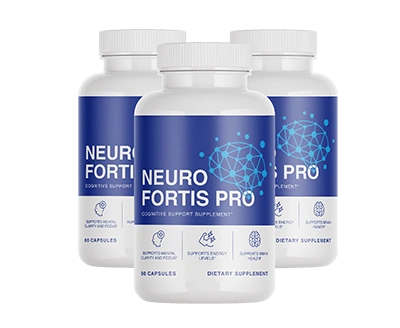
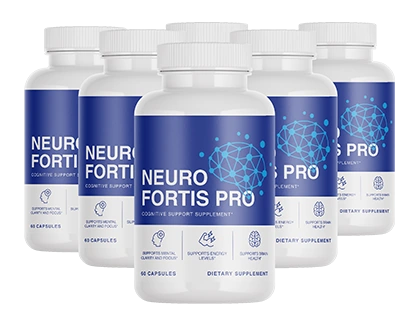
Neuro Fortis Pro pairs green-tea L-theanine with bacopa, lion’s mane and ginkgo in one daily capsule. The six-bottle bundle is the best value at $49 per bottle, with free U.S. shipping and a 60-day guarantee.
Check today’s Neuro Fortis Pro pricing — from $49/bottleWho is L-theanine for, and how does it fit a daily routine?
L-theanine tends to suit people who want steadier attention without adding more stimulation to their day. That includes the coffee lover who feels wired rather than focused, the person who works in noisy or high-pressure conditions, and anyone building a low-key cognitive-support routine as they get older. It is not a replacement for sleep, movement or whole-food nutrition — the foundations we cover in how to improve memory and focus naturally.
How do you actually use it day to day?
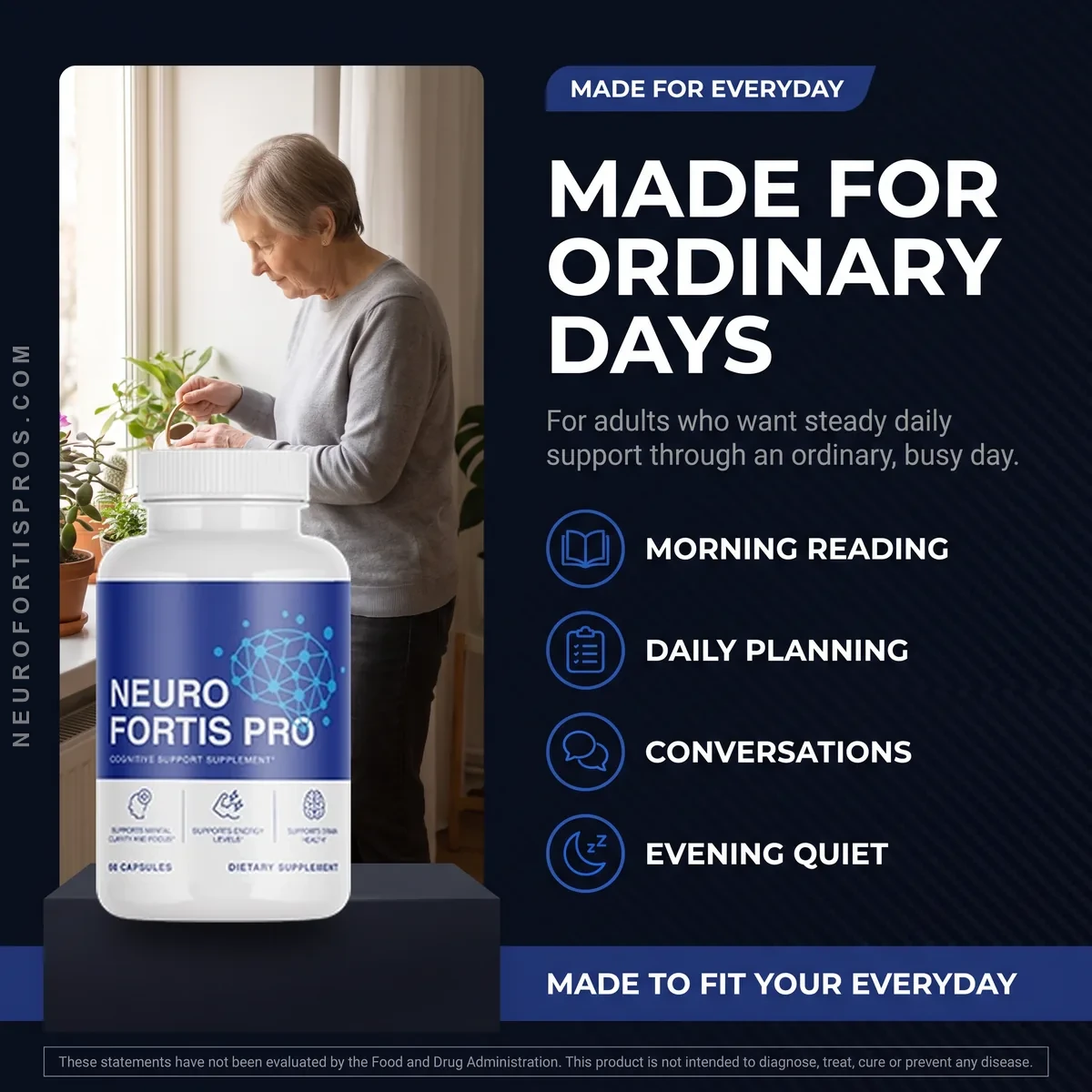
The simplest routine is to take your L-theanine at the same time each day, with a meal, and let it work in the background. If you enjoy coffee, take it alongside your morning cup to soften the edge. With Neuro Fortis Pro, that is one capsule with breakfast — the L-theanine, botanicals and antioxidants arrive together, so there is nothing to stack or measure.
Is L-theanine safe? Side effects and cautions
L-theanine has a long history of safe use as a natural component of tea and is generally well tolerated in studies at typical amounts. Reported side effects are uncommon and mild, and because it is not a stimulant it does not carry the racing-heart or crash profile of high-dose caffeine. That said, “natural” does not mean “for everyone.” A few sensible cautions apply.
- If you take medication — especially for blood pressure, mood or anxiety — check with your doctor first, since interactions are possible.
- If you are pregnant or nursing, or under 18, do not use supplemental L-theanine without professional guidance.
- Start with a normal serving on a low-stakes day so you can gauge your own sensitivity.
- Remember it is a supplement to good habits, not a substitute for sleep, exercise or medical care.
When should you talk to a doctor?
A supplement is for supporting a healthy mind, not for diagnosing or treating anything. Speak with your doctor before starting L-theanine or Neuro Fortis Pro if you are pregnant or nursing, under 18, take any medication, have a diagnosed condition, or notice persistent, sudden or worsening changes in memory, mood or thinking. Attention and focus problems that disrupt daily life deserve a proper evaluation, not a self-prescribed supplement.
Frequently asked questions
Does L-theanine really help you focus?
L-theanine is best known for a calm, alert state rather than a stimulant push. Studies most consistently show it smooths the edge off caffeine and supports relaxed attention. It is a support for focus, not a treatment for any attention disorder.
Will L-theanine make me sleepy?
For most people, no. L-theanine promotes a relaxed but wakeful state, which is why it is associated with calm focus rather than drowsiness. Sensitivity varies, so take your first dose on a low-stakes day.
How much L-theanine should I take for calm focus?
Most research uses roughly 100 to 200 mg, often paired with caffeine. More is not automatically better. Neuro Fortis Pro delivers L-theanine as part of its green-tea component within a once-daily capsule, so you do not have to measure it yourself.
Can I take L-theanine with my morning coffee?
Yes, and that is one of its most popular uses. The caffeine and L-theanine pairing is studied for sharper, calmer attention with fewer jitters. If you are caffeine-sensitive or on medication, ask your doctor first.
How long does it take L-theanine to work?
L-theanine is fast-acting for the calm-focus feeling, often noticeable within thirty to sixty minutes. The broader cognitive-support benefits of a blend like Neuro Fortis Pro build gradually with daily use, and individual results vary.
Is L-theanine safe to take every day?
L-theanine has a long history of safe use as a natural component of tea and is generally well tolerated. It is not a medicine. Anyone pregnant, nursing, under 18, or on medication should speak with a doctor before daily use.
Try Neuro Fortis Pro risk-free for 60 days →
Neuro Fortis Pro is a dietary supplement, not a treatment for any medical condition. These statements have not been evaluated by the Food and Drug Administration. This product is not intended to diagnose, treat, cure or prevent any disease. Always consult a qualified healthcare professional about your individual needs.
References & further reading
- National Center for Complementary and Integrative Health (NCCIH). Green Tea. NCCIH — Green Tea
- Nobre AC, et al. L-theanine, caffeine and mental state. (PubMed 18296328) Nobre AC et al., Asia Pac J Clin Nutr 2008 (PMID 18296328)
- Hidese S, et al. Effects of L-theanine on stress-related symptoms and cognition. (PMC6836118) Hidese S et al., Nutrients 2019 (PMC6836118)
- Kahathuduwa CN, et al. Acute effects of theanine, caffeine and theanine-caffeine combination on attention. Nutritional Neuroscience, 2017. Kahathuduwa CN et al., Nutr Neurosci 2017 (PMID 26869148)
- Examine.com. L-Theanine — evidence-based summary. examine.com/supplements/theanine
These references describe the ingredient in general terms and do not constitute evidence that any product treats, cures or prevents any condition.