Nootropics vs coffee for focus: where Neuro Fortis Pro fits a coffee habit
Nootropics vs coffee for focus is really a comparison of two different shapes of energy: coffee delivers a fast, short caffeine spike that can bring jitters and an afternoon crash, while a botanical nootropic is built for a steadier, slower-building kind of support. They are not rivals so much as tools for different jobs, and many people use both — a moderate coffee habit for the quick lift and a daily formula like Neuro Fortis Pro for the baseline.
Coffee versus a botanical nootropic, honestly compared.
- The short version
- Coffee is a fast stimulant; a botanical nootropic is a slow, daily support. Neither replaces the other perfectly.
- Coffee’s trade-off
- A quick lift within an hour, but often jitters at high doses and a rebound “crash” as it wears off.
- Nootropic’s trade-off
- No instant kick, but a calmer, steadier feel that builds over weeks of consistent use.
- Where Neuro Fortis Pro fits
- A once-daily, stimulant-light capsule that works alongside — or as a calmer alternative to — a second or third cup.
Most of us do not choose between coffee and a supplement in the abstract — we choose at 3 p.m., when the morning cup has worn off and the work is not finished. This guide compares the two honestly, explains the science of the coffee crash, and shows where a botanical nootropic like Neuro Fortis Pro actually fits a real coffee habit.

What is the real difference between nootropics and coffee for focus?
The real difference is timing and mechanism: coffee is a fast-acting stimulant that borrows the next few hours’ alertness, while a nootropic is a slow-building support that aims to raise your everyday baseline. Coffee’s caffeine works by blocking the signals that make you feel tired, so the effect is immediate. Botanical nootropics such as bacopa, lion’s mane and ginkgo take a gentler, cumulative route — studied for supporting healthy circulation, antioxidant balance and everyday cognition rather than for delivering a jolt. One is a sprint; the other is training for the long run.
How does caffeine actually work — and why the coffee crash?
Caffeine works by impersonating adenosine, the molecule that builds up through the day and tells your brain it is tired; by occupying those receptors, caffeine temporarily hides the fatigue signal, which is why a cup lifts alertness within roughly 30 to 60 minutes. The catch is that adenosine keeps accumulating in the background, so when the caffeine clears the backlog rushes in — the familiar coffee crash. A review of caffeine and adenosine sets out that receptor-blocking mechanism and the rebound that follows (Ribeiro JA & Sebastião AM, J Alzheimers Dis 2010).
Why does coffee give a jittery lift?
A jittery lift is caffeine overshooting: the same receptor-blocking that boosts alertness also raises heart rate and can spike a stress-hormone response, which some people feel as restlessness, a racing pulse or anxiety. It is dose-dependent, so a large or fast cup on an empty stomach is the most likely to tip from “sharp” into “wired.” Sensitivity varies widely from person to person, partly for genetic reasons.
What causes the afternoon coffee crash?
The afternoon crash is a rebound of tiredness as caffeine wears off and the adenosine it was masking floods back, frequently made worse by a blood-sugar dip from a sweetened drink. You do not end up more alert than baseline — you end up borrowing alertness and repaying it a few hours later. Smaller, spaced-out doses, food alongside the cup, and an earlier cut-off time all soften the landing.
What is a botanical nootropic approach, and how is it different?
A botanical nootropic approach uses well-studied plants and nutrients to support cognition gradually, rather than a single stimulant that spikes and fades. Instead of one lever, it stacks several gentle inputs: bacopa monnieri for everyday memory support, lion’s mane as a traditional cognitive food, ginkgo for healthy circulation, and green tea and grape seed extract for polyphenol antioxidants. Because the goal is a steadier baseline, the effect is subtle day to day and adds up over weeks — the opposite arc to coffee’s fast rise and fall. Bacopa is the reference case, studied as a standardised extract over six to twelve weeks (Kumar N et al., Evid Based Complement Alternat Med 2016); our explainer on what nootropics are covers the rest of the category.
Caffeine vs nootropics: a side-by-side comparison
Comparing caffeine vs nootropics comes down to how fast each acts, how long it lasts, and what it asks of you in return. The table below lays the two approaches side by side so you can see where each earns its place in a day.
| Factor | Coffee (caffeine) | Botanical nootropic |
|---|---|---|
| Speed of effect | Fast — 30 to 60 minutes | Gradual — builds over days and weeks |
| How long it lasts | A few hours, then fades | Aims at a steady daily baseline |
| Mechanism | Blocks the tiredness signal (adenosine) | Supports circulation, antioxidants, cognition |
| Common downside | Jitters, afternoon crash, sleep disruption | No instant kick; patience needed |
| Best role | Quick lift before a task | Everyday foundation under the day |
Neither column is the “winner” — they answer different questions. Coffee is unbeatable for a fast, cheap lift; a nootropic is built for the steady floor beneath it, which is exactly why the two combine so naturally.

Want the steady baseline under your coffee?
Neuro Fortis Pro pairs bacopa and lion’s mane with a nootropic botanical blend in one daily capsule — no added stimulant spike. See the exact dose in Neuro Fortis Pro and today’s pricing; the six-bottle bundle is the best value at $49 per bottle with free U.S. shipping and a 60-day guarantee.
See the exact dose in Neuro Fortis Pro — from $49/bottleCan you use a nootropic instead of coffee — or alongside it?
You can use a nootropic instead of coffee, but it is fairer to think of it as reducing your reliance on caffeine rather than replicating its kick. A botanical formula will not slam the tiredness signal shut the way an espresso does. The more comfortable pattern is to keep a moderate morning coffee for the fast lift and add a daily nootropic for the steadier floor underneath it.
Should you quit coffee cold turkey?
Quitting coffee cold turkey is usually the hardest route, because abrupt caffeine withdrawal can trigger headaches, fatigue and irritability for several days. If your goal is to lean less on coffee, taper gradually — drop one cup at a time, brew weaker, or switch a later cup to green tea, which offers a smaller dose of caffeine with calming L-theanine. A steady daily routine makes the taper feel less like a loss.
How do you stack Neuro Fortis Pro with a coffee habit?
Stacking is simple: keep your morning coffee where you like it, and take one Neuro Fortis Pro capsule with a meal at the same time each day. Because it is a once-daily support rather than a stimulant, it is not timed to your caffeine curve — it works quietly in the background while the coffee handles the immediate lift. Over a few weeks, many people reach for the second or third cup a little less often. For the calm-focus side of that equation, our guide to L-theanine for calm focus explains why green tea pairs so well with coffee.

How fast does each approach work?
Coffee is a same-hour tool and a nootropic is a same-month tool — matching your expectation to the timeline is half the battle. The table below sets realistic windows for each so you are not judging a slow-building supplement by a stimulant’s stopwatch.
| Approach | When you feel it | How long support lasts |
|---|---|---|
| Coffee / caffeine | 30–60 minutes | A few hours, then wears off |
| Green tea (L-theanine + caffeine) | Under an hour, gentler | Smoother, with less of a crash |
| Bacopa & botanical nootropic | Days to weeks of daily use | Aims at a steady baseline |
| Sleep, movement, whole foods | Same day to weeks | Foundational, ongoing |
Because botanicals build their support gradually, most people choose a multi-month supply so they do not run out mid-routine — you can compare the packages and pricing on the homepage. For a wider view of the habits that sit under both coffee and capsules, see how to improve memory and focus naturally.
Is one approach safer than the other?
Both coffee and botanical nootropics are widely used and generally well tolerated in moderate amounts, but neither is risk-free. Health authorities generally consider up to around 400 mg of caffeine a day — roughly four or five cups — acceptable for most healthy adults, while higher intakes or late-day cups can disturb sleep, raise anxiety and elevate heart rate. Botanical supplements are not a treatment for any condition and can interact with medication. If you are pregnant or nursing, under 18, take any medication, or have a heart condition, talk with your doctor before changing your caffeine intake or adding a supplement. NCCIH’s cognitive-health summary is the honest baseline for what either can be expected to do (NCCIH — Cognitive Health).
Where does Neuro Fortis Pro fit in the coffee-versus-nootropic picture?
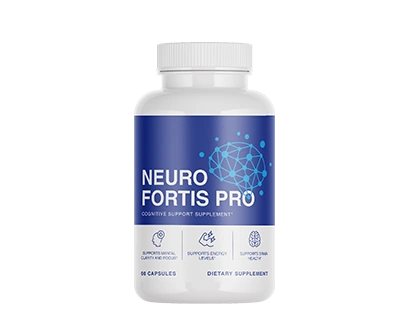
Neuro Fortis Pro fits as the steady baseline rather than the spike — a once-daily, stimulant-light capsule meant to sit underneath a sensible coffee habit, not compete with it. It brings bacopa, lion’s mane, ginkgo, green tea and grape seed extract together with huperzine A, so the everyday support comes from botanicals rather than another dose of caffeine. If your afternoons are a cycle of cups and crashes, the aim is a calmer floor. To go deeper on the actives, read our breakdown of bacopa, lion’s mane and huperzine A, or see the full ingredients section.
Check today’s Neuro Fortis Pro pricing →
Frequently asked questions
Is coffee or a nootropic better for focus?
Neither is simply better; they work differently. Coffee gives a fast, short caffeine lift that can bring jitters and an afternoon crash, while a botanical nootropic like Neuro Fortis Pro is built for a steadier, slower-building kind of support. Many people use a moderate amount of coffee for the quick lift and a daily nootropic for the baseline.
What causes the coffee crash on focus?
The coffee crash happens as caffeine wears off and the adenosine it was blocking floods back, often paired with a blood-sugar dip from a sugary drink. You feel a rebound of tiredness a few hours after the peak. Smaller, spaced-out doses and food reduce it.
Can I take a nootropic instead of coffee?
You can. Neuro Fortis Pro contains no added stimulant, so some people use it as a calmer alternative to a second or third cup. It will not replicate caffeine’s immediate kick, so if you rely on that, taper coffee down gradually rather than stopping all at once.
Does Neuro Fortis Pro contain caffeine?
Neuro Fortis Pro is built on botanicals such as bacopa, lion’s mane, ginkgo, green tea and grape seed extract with huperzine A. Green tea extract may carry a trace of naturally occurring caffeine, but the formula is not designed as a stimulant and is taken once daily.
Can I use coffee and a nootropic together?
Yes, many people do. A common pattern is a morning coffee for the immediate lift alongside a once-daily capsule for the steady baseline. Keep total caffeine moderate, take the capsule with a meal, and ask your doctor first if you take medication or have a heart condition.
How long before a nootropic works compared with coffee?
Coffee is felt within roughly 30 to 60 minutes and fades within hours. Botanical nootropics build their support gradually over days and weeks of consistent daily use, which is why most people choose a multi-month supply. Individual results vary.
Try Neuro Fortis Pro risk-free for 60 days →
Neuro Fortis Pro is a dietary supplement, not a treatment for any medical condition. These statements have not been evaluated by the Food and Drug Administration. This product is not intended to diagnose, treat, cure or prevent any disease. Always consult a qualified healthcare professional about your individual needs.
References & further reading
- MedlinePlus (U.S. National Library of Medicine). Caffeine. medlineplus.gov/caffeine.html
- Mayo Clinic. Caffeine: How much is too much? mayoclinic.org — caffeine
- Ribeiro JA, Sebastião AM. Caffeine and adenosine. (PubMed 20164566) Ribeiro JA & Sebastião AM, J Alzheimers Dis 2010 (PMID 20164566)
- Kumar N, et al. Standardized Bacopa monnieri and cognitive function. (PMC5075615) Kumar N et al., Evid Based Complement Alternat Med 2016 (PMC5075615)
- National Center for Complementary and Integrative Health (NCCIH). Cognitive Health. NCCIH — Cognitive Health
- Examine.com. Bacopa monnieri — evidence-based summary. examine.com/supplements/bacopa-monnieri
These references describe caffeine and the ingredients in general terms and do not constitute evidence that any product treats, cures or prevents any condition.