Lion’s mane vs bacopa: how Neuro Fortis Pro combines the mushroom and the herb
Lion’s mane vs bacopa is not really a contest — it is a comparison of two different tools. Lion’s mane is a culinary mushroom valued for focus and general cognition, while bacopa monnieri is an Ayurvedic herb best known for everyday memory and learning support. They come from different kingdoms of life, carry different active compounds, and, in a formula like Neuro Fortis Pro, work best side by side rather than in place of one another.
Lion’s mane or bacopa — the honest, one-glance verdict.
- The short version
- Neither wins outright. Bacopa is the more researched memory botanical; lion’s mane is the popular focus-and-cognition mushroom. Their strengths do not overlap much, which is exactly why they pair well.
- Mushroom vs herb
- Lion’s mane is a fungus (active compounds: hericenones, erinacines). Bacopa is a flowering plant (active compounds: bacosides). Same goal, different biology.
- Better together?
- They are commonly combined in modern nootropics and are generally well tolerated together in healthy adults.
- Where they meet
- Neuro Fortis Pro puts both in one once-daily capsule, so you skip buying and dosing them separately.
You have almost certainly seen both names. Lion’s mane shows up on mushroom-coffee tins and focus gummies; bacopa fills the memory aisle. The natural question — lions mane or bacopa — assumes you must pick one. This guide takes the opposite view: understand what each does, and the smarter move becomes clear.
What is the difference between lion’s mane and bacopa?
The difference between lion’s mane and bacopa begins at the most basic level of biology: one is a mushroom and the other is a plant. Lion’s mane (Hericium erinaceus) is an edible fungus that grows in shaggy white cascades on hardwood trees; bacopa (Bacopa monnieri) is a small creeping marsh herb used in Ayurvedic tradition for centuries under the name brahmi. Because they belong to entirely different kingdoms of life, they carry different families of active compounds — even though both end up in the same “nootropic” conversation.
What is lion’s mane, and what does it do?
Lion’s mane is a culinary and traditional-medicine mushroom that has become one of the most popular ingredients in modern focus and cognition supplements. Its distinctive compounds — hericenones and erinacines — are why it appears so often in nootropic blends and are the focus of most early research.

Why is lion’s mane so popular in nootropics?
Lion’s mane is popular because it doubles as a food and a supplement, has a long history of traditional East Asian use, and fits a modern “focus and clarity” positioning. People reach for it hoping to support steadier concentration and general sharpness. Honestly, the human evidence is still early and mixed, so lion’s mane is best seen as a supportive part of a routine rather than a proven fix.
What does the evidence actually say?
Most of the strongest lion’s mane findings come from laboratory and animal studies, with only a handful of modest human trials so far. That makes it promising but unproven — which is exactly how a careful label should describe it. A promise that lion’s mane will transform your memory is a marketing claim, not a scientific one. The best-known human trial is a small 2009 study in older adults with mild cognitive complaints (Mori K et al., Phytother Res 2009).
What is bacopa monnieri, and what does it do?
Bacopa monnieri is one of the most researched botanicals for everyday memory and learning support, which is what sets it apart from most other nootropic herbs. Its active compounds, saponins called bacosides, are what cognitive researchers focus on, and bacopa has a deeper bench of human trials than lion’s mane does.
Why is bacopa considered a memory herb?
Bacopa earned its memory reputation through its long Ayurvedic history and modern trials in which standardised extracts were taken daily over several weeks. The recurring theme is retention — holding on to newly learned information — rather than an immediate jolt of alertness. That makes bacopa a slow-and-steady ingredient. One of those trials followed medical students on a standardised extract for six weeks (Kumar N et al., Evid Based Complement Alternat Med 2016).
How long does bacopa take to work?
Bacopa is traditionally taken daily for a number of weeks before its memory-support role becomes noticeable, so patience is part of the deal. This is the single biggest practical difference from a stimulant: there is no same-day “kick.” For a closer look at dosing and standardisation, see our companion guide to bacopa, lion’s mane and huperzine A.
See the exact dose in Neuro Fortis Pro →
Lion’s mane vs bacopa: how do they compare?
Comparing lion’s mane vs bacopa side by side shows two ingredients with barely overlapping strengths — one a mushroom leaning toward focus, the other a herb leaning toward memory. The table below lays out the contrast at a glance so you can see why a blend often makes more sense than a single pick.

| Feature | Lion’s mane | Bacopa monnieri |
|---|---|---|
| Type | Culinary mushroom (fungus) | Ayurvedic herb (flowering plant) |
| Active compounds | Hericenones, erinacines | Bacosides (saponins) |
| Traditional focus | Focus & general cognition | Memory & learning retention |
| Human evidence | Early and limited | More developed, multi-week trials |
| Onset | Gradual | Gradual (weeks of daily use) |
| Best role | Everyday focus support | Everyday memory support |
Their strengths sit in different places — the strongest argument against choosing, and the strongest argument for combining.
Get both in one capsule
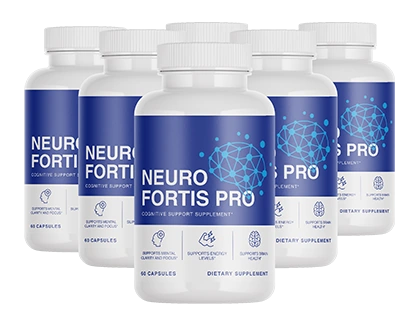
Instead of buying a mushroom jar and a herb bottle separately, Neuro Fortis Pro pairs lion’s mane and bacopa in one once-daily capsule. The six-bottle bundle is the best value at $49 per bottle, with free U.S. shipping and a 60-day guarantee.
Order Neuro Fortis Pro — from $49/bottleMushroom vs herb nootropic: should you choose one or both?
The mushroom vs herb nootropic question usually resolves in favour of “both,” because lion’s mane and bacopa target different sides of cognition and are commonly combined. Choosing a single ingredient bets on one narrow strength; a thoughtful blend lets the herb cover memory while the mushroom covers focus, with supporting botanicals on top.
When might a single ingredient make sense?
There are honest reasons to keep it simple. To isolate exactly how one ingredient affects you, a single-ingredient product removes the guesswork. If you already take a formula with one of them, a stand-alone version of the other can fill a gap. And if cost is tight, one well-chosen ingredient beats a crowded, under-dosed blend.
Why do most formulas combine brain botanicals?
Most formulas combine brain botanicals because cognition is not one thing — focus, memory, circulation and calm all contribute, and no single plant covers them all. When you compare brain botanicals, the logic of a blend becomes obvious: pair complementary ingredients at sensible doses rather than mega-dosing one. That is the design principle behind Neuro Fortis Pro.

How does Neuro Fortis Pro combine lion’s mane and bacopa?
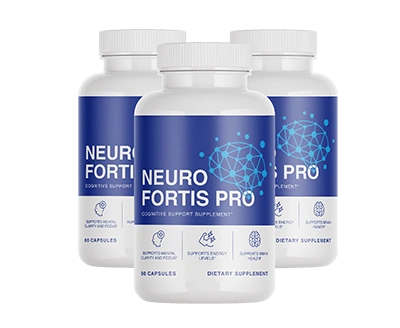
Neuro Fortis Pro combines lion’s mane and bacopa in a single once-daily capsule alongside three supporting botanicals and huperzine A, so the memory herb and the focus mushroom arrive together at consistent doses. Rather than buying, storing and timing two products, the formula treats them as a pair from the start — which is how they are most often used.
| In Neuro Fortis Pro | Botanical role |
|---|---|
| Bacopa monnieri | The memory-and-learning herb, standardised for bacosides. |
| Lion’s mane | The focus-and-cognition mushroom. |
| Ginkgo biloba | Traditionally used to support healthy circulation and sharpness. |
| Green tea extract | Polyphenol antioxidants plus calm-focus L-theanine. |
| Grape seed extract | One of the richest natural sources of proanthocyanidin antioxidants. |
| Huperzine A | A well-known finishing nootropic compound. |
To go deeper on any single ingredient, read our guides to huperzine A and ginkgo biloba, or see the full ingredients section and our complete Neuro Fortis Pro review. Because botanicals build their support gradually, most people choose a multi-month supply so they do not run out mid-routine.
How do you compare brain botanicals safely?
Comparing brain botanicals safely means judging ingredients by evidence, dose and honesty rather than by hype, and checking anything new with your own doctor. Lion’s mane and bacopa both have long traditions of food or supplement use and are generally well tolerated by healthy adults, with mild digestive upset the most commonly reported effect. Neither is intended to diagnose, treat, cure or prevent any disease. NCCIH’s cognitive-health summary is a good place to check any claim you meet (NCCIH — Cognitive Health).
Talk to a healthcare professional before starting either if you are pregnant or nursing, under 18, take medication, or have a diagnosed condition, and see a doctor about persistent or worsening changes in memory or thinking. A supplement supports good habits like sleep, movement and whole-food nutrition — more on those in our guide to improving memory and focus naturally.
Frequently asked questions
Lion’s mane or bacopa — which is better for the brain?
Neither is simply better; they play different roles. Bacopa is the more researched botanical for everyday memory and learning support, while lion’s mane is a culinary mushroom popular for focus and general cognition. Many nootropic formulas, including Neuro Fortis Pro, use both rather than choosing one.
What is the difference between a mushroom and an herb nootropic?
Lion’s mane is a fungus and bacopa is a flowering plant, so they come from entirely different kingdoms and carry different active compounds — hericenones and erinacines in lion’s mane, bacosides in bacopa. They are discussed for overlapping goals but through different traditional mechanisms.
Can you take lion’s mane and bacopa together?
They are commonly combined in modern nootropic blends and are generally well tolerated together in healthy adults. Because they are a support to good habits rather than a treatment, anyone who is pregnant, nursing, under 18 or taking medication should ask a doctor before starting.
How long does bacopa take to work compared with lion’s mane?
Bacopa is traditionally taken consistently for several weeks before its memory-support role is noticeable. Lion’s mane is also used gradually. Neither is an instant effect, which is why a multi-month, once-daily routine is the usual approach.
Does Neuro Fortis Pro contain both lion’s mane and bacopa?
Yes. Neuro Fortis Pro pairs lion’s mane and bacopa monnieri with ginkgo, green tea and grape seed extract plus huperzine A in a single once-daily capsule, so you do not have to buy or dose the two separately.
Is lion’s mane or bacopa safe for daily use?
Both have long traditions of food or supplement use and are generally well tolerated by healthy adults; mild digestive upset is the most commonly reported effect. They are not intended to diagnose, treat, cure or prevent any disease, and persistent cognitive changes should be discussed with a doctor.
Check today’s Neuro Fortis Pro pricing →
Neuro Fortis Pro is a dietary supplement, not a treatment for any medical condition. These statements have not been evaluated by the Food and Drug Administration. This product is not intended to diagnose, treat, cure or prevent any disease. Always consult a qualified healthcare professional about your individual needs.
References & further reading
- National Center for Complementary and Integrative Health (NCCIH). Cognitive Health. NCCIH — Cognitive Health
- Kumar N, et al. Efficacy of standardized Bacopa monnieri extract on cognitive function. (PMC5075615) Kumar N et al., Evid Based Complement Alternat Med 2016 (PMC5075615)
- Mori K, et al. Improving effects of Hericium erinaceus on mild cognitive impairment. (PubMed 18844328) Mori K et al., Phytother Res 2009 (PMID 18844328)
- Examine.com. Bacopa monnieri — evidence-based summary. examine.com/supplements/bacopa-monnieri
- Examine.com. Lion’s mane (Hericium erinaceus) — evidence-based summary. examine.com/supplements/lions-mane
These references describe the ingredients in general terms and do not constitute evidence that any product treats, cures or prevents any condition.